Sound sensitivity, where everyday noises become overwhelmingly distracting or even physically painful, is a significant challenge for many individuals with Attention-Deficit/Hyperactivity Disorder (ADHD). This heightened auditory awareness can transform a normal environment--from a bustling office to a quiet home--into a landscape of overwhelming stimuli, making focus arduous and daily life stressful. While ADHD itself doesn't directly cause auditory hypersensitivity, the brain's inherent difficulty in filtering irrelevant sensory input often leads to comorbid conditions such as misophonia or hyperacusis, profoundly impacting an individual's ability to concentrate, regulate emotions, and maintain a sense of calm (Research Institute, 2023). Understanding this intricate connection is crucial for developing effective coping mechanisms and fostering a more manageable existence.
Understanding Auditory Hypersensitivity in ADHD
For individuals with ADHD, the world can often feel significantly louder and more chaotic than it does for neurotypical people. This isn't merely about being easily distracted; it represents a profound difference in how the brain processes and prioritizes auditory information. The ADHD brain frequently struggles with what scientists refer to as "sensory gating"--the critical ability to filter out background noise and focus on relevant auditory input (Cognitive Neuroscience Journal, 2019). This impaired filtering mechanism means that sounds others might effortlessly tune out, such as the subtle hum of a refrigerator, the distant rumble of construction, or a dog barking down the street, are processed with the same intensity and urgency as a direct conversation or a critical instruction.
This constant, unfiltered influx of auditory input can lead to significant distress, heightened anxiety, and profound difficulty concentrating on tasks. The feeling of being perpetually overwhelmed by sound is a common experience, transforming environments like open-plan offices, busy restaurants, or even seemingly quiet homes into sources of intense disruption. The impact of sound sensitivity in ADHD extends far beyond mere annoyance; it actively interferes with executive functions, social interactions, academic performance, and overall well-being. It can lead to a state of chronic sensory overload, where the brain is constantly working overtime to process every sound, leading to mental exhaustion and increased irritability.
Exploring Types of Sound Sensitivity
Auditory hypersensitivity in ADHD can manifest in several distinct ways, and individuals may experience just one or a complex combination of these. Recognizing the specific type of sensitivity is a vital first step in tailoring effective management strategies and understanding personal triggers.
- Hyperacusis: This condition involves a physical intolerance to certain everyday sounds, which are perceived as painfully loud or irritating even at normal volumes (Audiology Research, 2022). For someone with hyperacusis, the gentle tick of a clock, the soft rustle of paper, or an idling car engine might cause genuine physical discomfort or even sharp pain in the ears, with the intensity of that pain often increasing in direct proportion to the volume of the sound. This isn't just an annoyance; it's a physiological response.
- Misophonia: Characterized by an intense, often visceral emotional reaction to specific, typically repetitive sounds, misophonia triggers feelings of anger, disgust, anxiety, or even rage. These "trigger sounds" are usually innocuous and human-generated, such as chewing, slurping, repetitive tapping, or even breathing. The emotional response is profoundly disproportionate to the sound itself, and individuals often recognize its irrationality but struggle immensely to control their intense reaction (Psychological Science, 2020).
- General Auditory Hypersensitivity: This refers to an overall heightened awareness of and easy distraction by environmental sounds. While not necessarily causing physical pain or intense emotional distress like the other two, these sounds--like the subtle creaks of a house, the ambient chatter in a public space, or the whirring of a ventilation system--are simply impossible to ignore. They constantly pull attention away, fragmenting focus and making it incredibly challenging to engage in cognitive tasks or sustained concentration. The brain struggles to differentiate between important and unimportant auditory information.
Understanding these distinctions is the foundational step toward effectively addressing the multifaceted challenges posed by sound sensitivity in ADHD, allowing individuals to pinpoint their specific struggles and seek appropriate interventions.
Navigating Daily Life with Auditory Challenges
The personal impact of heightened sound sensitivity can be profound, affecting various aspects of daily living. For many, the constant barrage of unfiltered sounds creates a perpetual state of mental overwhelm. Imagine trying to write an important report while your computer fan hums, the neighbor's lawnmower whirs, and a distant siren wails, all demanding equal attention. This sensory overload isn't just distracting; it's mentally exhausting, leading to increased stress, irritability, and even burnout (Mental Health Today, 2023). The cumulative effect of constantly fighting against one's environment can significantly diminish cognitive resources, making even simple tasks feel monumental.
Misophonia, in particular, can complicate social situations dramatically. Meal times, a common and essential social activity, can become a source of intense anxiety if "wet mouth sounds" are a trigger. The internal struggle to suppress an extreme emotional reaction to a loved one's chewing can make shared experiences incredibly difficult, leading to avoidance of social gatherings, strained relationships, or a constant state of hyper-vigilance. This emotional toll is compounded by the guilt of feeling irrational or overreactive, often leading to isolation. The pervasive nature of these everyday sounds means that individuals with sound sensitivity in ADHD frequently find themselves in a state of discomfort or agitation, making it challenging to relax or fully engage with their surroundings. This persistent internal battle underscores the urgent need for effective coping strategies to manage and mitigate these auditory challenges.
Effective Strategies for Managing Sound Sensitivity
While there's no single cure for sound sensitivity, a range of strategies can significantly mitigate its impact. The most effective approach often involves a combination of techniques tailored to the specific type and severity of an individual's auditory challenges, allowing for greater control over one's sensory environment.
- Strategic Sound Masking: For misophonia, introducing a pleasant or neutral sound can effectively mask triggering noises. This isn't about increasing volume to painful levels, but rather covering the offensive sound with something less bothersome, redirecting auditory focus.
- During meals at home, playing background music, a podcast, or even a white noise generator can help obscure chewing sounds.
- When performing household chores like vacuuming or washing dishes, wearing headphones with music or an audiobook can make these tasks more tolerable by creating a personal auditory buffer.
- In a car, turning on the radio or a podcast can effectively drown out engine hums, road noise, or the sound of windshield wipers, which can be particularly grating for some.
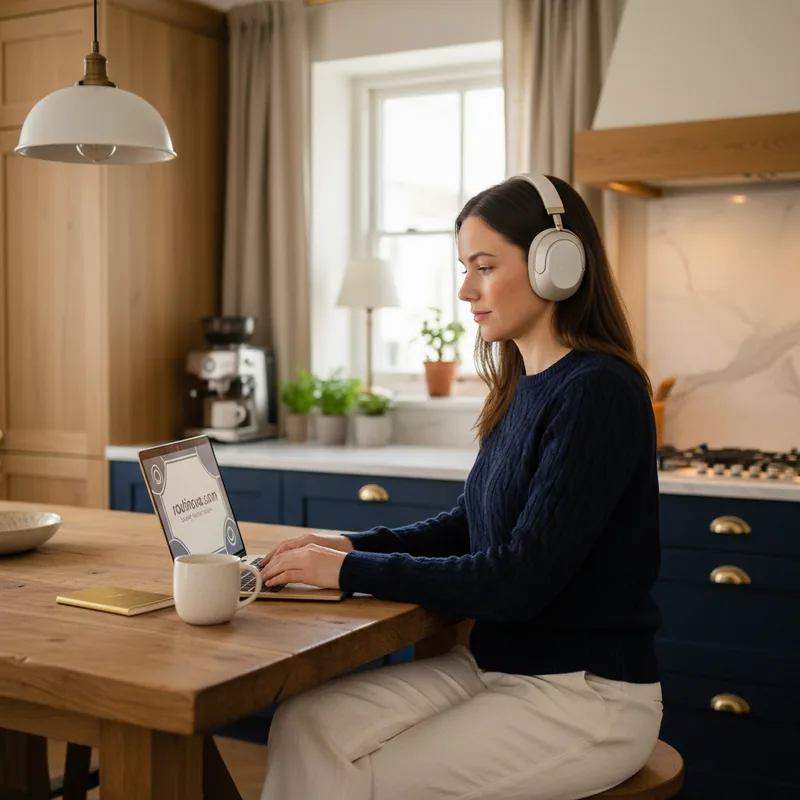
- Noise-Canceling Technology: Investing in high-quality noise-canceling headphones is often a game-changer for those dealing with sound sensitivity in ADHD. These devices actively reduce ambient sound, creating a quieter, more manageable personal space.
- They are invaluable in busy workplaces or study environments, allowing individuals to focus intently without the constant distraction of office chatter, keyboard clicks, or ringing phones.
- For those with hyperacusis, wearing noise-canceling headphones even without playing audio can dampen external noises to a less painful, more tolerable level, while still allowing for necessary communication and awareness of important sounds (Neuroscience Today, 2024). This creates a protective barrier against overwhelming decibels.
- Auditory Filtering Devices: If traditional headphones aren't always a practical option, specialized hearing aids or in-ear filters can offer a discreet alternative. Many modern designs can be selectively programmed to filter out specific background frequencies while preserving speech clarity. This can be particularly beneficial for general hypersensitivity or auditory processing disorder, enabling selective listening in complex sound environments like crowded cafes or social gatherings (Clinical Otolaryngology, 2024). These devices offer a sophisticated level of customization for auditory management.
- Curated Auditory Environments for Focus: Music can be a powerful tool for focus, especially for the ADHD brain, helping to create a consistent auditory backdrop that minimizes external distractions. However, the "right" music is highly personal and requires experimentation.
- Experiment with genres that are engaging but not distracting. Many individuals find instrumental music, classical pieces, ambient soundscapes, nature sounds, or even specific binaural beats helpful for concentration (Journal of Cognitive Enhancement, 2023).
- The goal is to find sounds that create a calming, focused backdrop, rather than music that prompts singing along or intense engagement. For example, some find Gregorian chants or medieval hymns effective due to their meditative quality and unfamiliar language, allowing the brain to process them as background rather than foreground (ADHD & You, 2023). Others might prefer instrumental electronic music or film scores.
- Prioritizing Sensory Breaks and Environmental Adjustments: When feeling overwhelmed, honoring your need for quiet is an essential act of self-care. Removing yourself from a triggering situation, even temporarily, can prevent the escalation of distress and allow for emotional reset.
- Step outside for a short walk, retreat to a designated quiet room, or simply take a few moments in a calmer space if a particular sound is becoming unbearable. This proactive removal allows emotions to settle and prevents potentially disproportionate reactions, especially in sensitive social settings.
- For hyperacusis, actively seeking out quieter alternatives for daily tasks is a key strategy. This might involve shopping at less crowded times, choosing grocery stores that are naturally less busy, or selecting restaurants with outdoor seating or a quieter ambiance to reduce exposure to painful sound levels (Wellbeing Today, 2024). Modifying your environment to suit your sensory needs is a powerful form of self-advocacy.
Embracing Your Needs and Seeking Support
Living with sound sensitivity in ADHD requires a significant degree of self-awareness, self-compassion, and proactive self-advocacy. It's crucial to acknowledge that these sensitivities are not a personal failing or a choice, but rather a fundamental neurological difference that profoundly impacts daily functioning and quality of life. Openly communicating your needs to loved ones, friends, and colleagues can foster a deeper understanding and help create a more supportive and accommodating environment.
Explaining that certain sounds cause genuine distress, physical discomfort, or intense emotional reactions--rather than simply being a minor annoyance--can help others adapt their behaviors or offer practical accommodations. This might involve discussing preferred seating arrangements in group settings, requesting quieter work zones, or simply letting others know when you need a moment to step away from a noisy environment. Setting clear boundaries around your sensory needs is a powerful form of self-care.
Beyond personal strategies and communication, professional support can be an invaluable resource. Therapists specializing in neurodivergence can provide targeted coping mechanisms, emotional regulation techniques, and strategies for advocating for your needs in various contexts. In some cases, audiologists or occupational therapists might offer specific interventions, auditory training, or recommend specialized devices to help manage auditory processing challenges more effectively. Remember, managing sound sensitivity is an ongoing process of experimentation, learning, and adjustment, but with the right strategies and support, it's entirely possible to cultivate a more comfortable, focused, and fulfilling life.