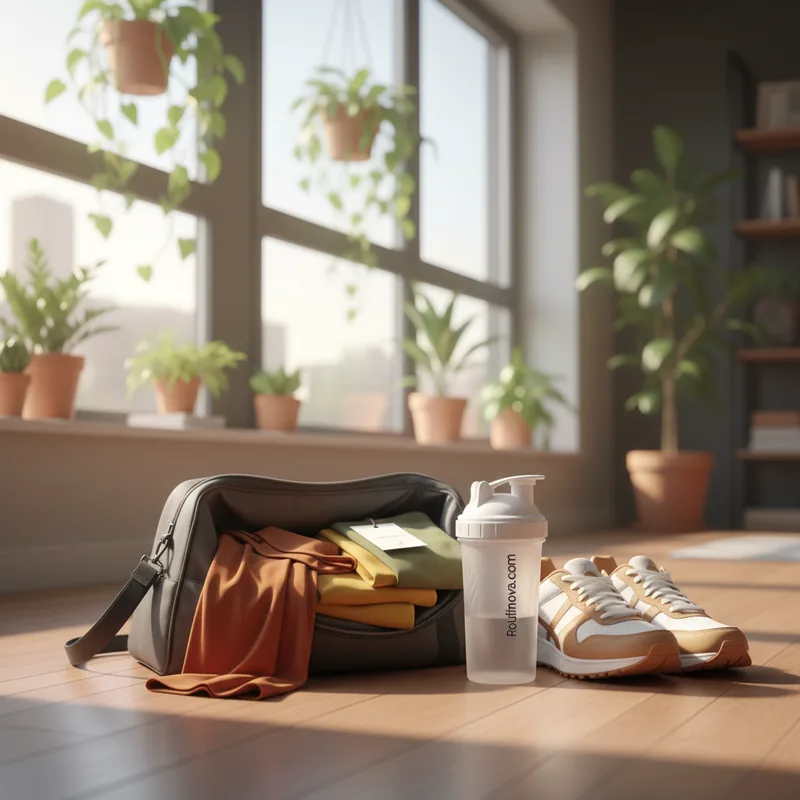
Did you know that a staggering 85% of gym-goers admit to experiencing persistent odors from their workout gear, impacting their confidence and motivation (Global Fitness Survey, 2023)? You are not alone in this common struggle. The key to preventing gym gear odors is immediate action: rinse sweaty items, air out non-washables, and clean shaker bottles right after use to stop bacteria from multiplying (Routinova Lifestyle Study, 2024). This proactive approach ensures your equipment remains fresh and hygienic, transforming your fitness routine.
Understanding the Source of Gym Gear Odor
The infamous gym stench isn't merely sweat; it's the microscopic world thriving within it. When you exert yourself, your body releases sweat, which, by itself, is largely odorless. However, the bacteria naturally present on your skin feast on the proteins and lipids in your sweat, producing volatile organic compounds that create the unpleasant smell (Journal of Applied Microbiology, 2022).
Synthetic fabrics, common in modern athletic wear for their sweat-wicking properties, paradoxically provide an ideal breeding ground for these odor-causing bacteria. Unlike natural fibers like cotton, synthetics can trap bacteria within their intricate structures, making them notoriously difficult to fully clean if left unattended. Understanding this bacterial interaction is crucial for how to keep your activewear free from bacterial growth.
Proactive Care for Workout Apparel
The battle against gym odor begins the moment you finish your workout. The longer sweaty clothes sit in a damp, enclosed space, the more time bacteria have to multiply and embed themselves into the fabric fibers. Immediate intervention is your best defense against lingering smells.
Rinse Immediately or Air Out Thoroughly
As soon as you remove your sweaty gym clothes, aim to rinse them. A quick rinse in the shower, squeezing out excess water, can dramatically reduce the bacterial load. Hang them to air dry completely before placing them in your laundry hamper. For those who shower at the gym, rolling rinsed garments in a towel can help absorb moisture until you get home. Consider carrying a dedicated wet bag to separate damp clothes and prevent moisture transfer to other items in your gym bag.
If immediate rinsing isn't possible, prioritize airing out your garments. Unpack your gym bag right away and spread out your clothes, allowing them to dry fully. This simple step deprives bacteria of the damp, warm environment they need to flourish. While cotton fabrics are more forgiving and can typically go straight into the laundry, synthetic materials demand this prompt attention to prevent odor setting in, which is vital for how to keep your clothes smelling fresh.
Deep Cleaning and Odor Elimination Strategies
Even with diligent rinsing and airing, some stubborn odors may persist. For these instances, specialized laundry products and techniques can provide a powerful solution. The goal is to not just mask but eliminate the odor-causing bacteria.
Choosing the Right Detergents and Sanitizers
Opt for detergents specifically formulated for "sport" or "performance" fabrics, or those containing enzymes designed to break down organic residues. Products like Hex detergent or Lysol laundry sanitizer (added during the rinse cycle) have proven effective in tackling embedded odors. For deeply soiled items, a pre-soak in a bucket with one of these specialized cleaners before a regular wash can work wonders. This is a key part of how to keep your high-performance gear in top condition.
For items like resistance bands or yoga mat straps, which are often overlooked, a gentle hand wash with a mild enzyme-based soap and thorough air drying can prevent them from becoming odor reservoirs. Always check manufacturer instructions to ensure compatibility with the material.
The Power of Sunlight and Fresh Air
After washing, consider harnessing the natural power of the sun. Hanging clothes outdoors on a sunny day provides a finishing touch that can truly make a difference. Fresh air helps dissipate any remaining odors, and ultraviolet (UV) rays from sunlight act as a natural disinfectant, killing residual odor-producing bacteria (Environmental Health Perspectives, 2023). Laying items flat on a clean, sunny surface like a deck can also be effective.
Avoid using household remedies like baking soda or vinegar as primary solutions for deeply embedded odors in synthetic fabrics. While sometimes suggested, their effectiveness for gym gear is often limited compared to enzyme-based detergents or laundry sanitizers. For a truly chemical answer to your problems, specialized sport detergents are often more reliable.
Caring for Non-Washable Gear: Shoes, Sleeves, and Bags
Not all gym gear can be easily tossed into the washing machine, presenting a unique challenge for odor control. Items like athletic shoes, neoprene knee sleeves, and the gym bag itself are prime candidates for becoming odor traps if not properly managed. This section offers insights into how to keep your non-washable items hygienic.
Immediate Airing is Essential
The golden rule for non-washable gear is immediate and thorough airing. Damp and warm conditions are a bacterial paradise. As soon as you return home, unpack your gym bag completely. Open up your shoes, pull out the tongues, and remove insoles if possible. If your bag has mesh compartments for sweaty items, utilize them. Hanging shoes by their laces or placing cedar blocks inside them can also help absorb moisture and impart a fresh scent.
For items like knee sleeves or wrist wraps, pull them out of the bag and lay them flat or hang them to dry. If they've been deep within your bag, ensure they get ample airflow. The goal is to dry everything as quickly as possible, preventing moisture from lingering and fostering bacterial growth.
What to Do If the Stink Is Already Bad
For items that have developed a strong odor, consult manufacturer instructions first. Many brands, like SBD for knee sleeves, recommend hand washing with mild soap or wetsuit detergent, specifically advising against machine washing or heat drying. After a thorough hand wash, a prolonged airing-out period in sunshine can be beneficial, as sunlight's UV rays help neutralize bacteria.
Resist the urge to spray items down with vinegar or rubbing alcohol. Vinegar is often ineffective on deep odors, and rubbing alcohol can degrade certain materials over time. Vodka, while a popular myth, is an unnecessarily expensive and less effective alternative to proper cleaning methods.
The Shaker Bottle Challenge: Keeping Hydration Tools Clean
The dreaded "gym bro's bane" - the stinky shaker cup - is a unique challenge. Protein shake residues, especially milk-based ones, can quickly turn rancid and infuse into plastic, creating a smell that seems impossible to remove. This final section provides practical advice on how to keep your shaker cup pristine.
Rinse Immediately, No Exceptions
The single most effective strategy is to rinse your shaker cup immediately after finishing your drink. Do not wait until you get home. A quick rinse with water in a bathroom or kitchen sink is often enough to prevent residue from drying and adhering to the plastic. If possible, wash it fully with soap and hot water right away. This simple habit prevents the vast majority of shaker cup odor issues.
Rescuing a Stinky Shaker Cup
If the odor has already taken hold, a vigorous deep clean is your last resort. Use hot, soapy water and a bottle brush to scrub every nook and cranny, paying special attention to the lid, spout, and any rubber seals where residue can hide. Soaking the cup in hot, soapy water for an hour can also help loosen stubborn grime. After washing, allow it to air dry completely for several days, preferably in direct sunlight, which can help sanitize and dissipate odors.
However, if these efforts fail, it may be time to replace the cup. Consider investing in stainless steel shaker bottles, which are less prone to absorbing odors than plastic alternatives. Prioritizing immediate cleaning is crucial for how to keep your entire fitness routine hygienic and enjoyable.