In a world where space often feels like the ultimate luxury, the kitchen, ironically, can become the most frustrating paradox. It's the heart of the home, a hub for creativity and nourishment, yet for many, especially in dense urban environments, it's a cramped, chaotic corner. How can such a vital space, barely larger than a closet, truly serve its purpose and foster well-being? The answer lies in a strategic approach to organization and the intelligent deployment of space-saving tools tricks that transform limitations into genuine opportunities for culinary exploration and daily efficiency.
Reclaiming Your Culinary Space: Creative Solutions for Small Kitchens
My own kitchen, a mere three feet wide and five feet long, once felt like a constant source of stress rather than inspiration. With no dedicated counter space beyond the sink and oven, cooking was less an act of joy and more a logistical nightmare, often leading to takeout rather than home-cooked meals. The first crucial step in making this tiny area functional was to literally "manufacture" counter space. This was achieved years ago with cubed storage shelving, which, last year, finally received the meticulous organization it deserved, becoming a vital prep and storage hub.
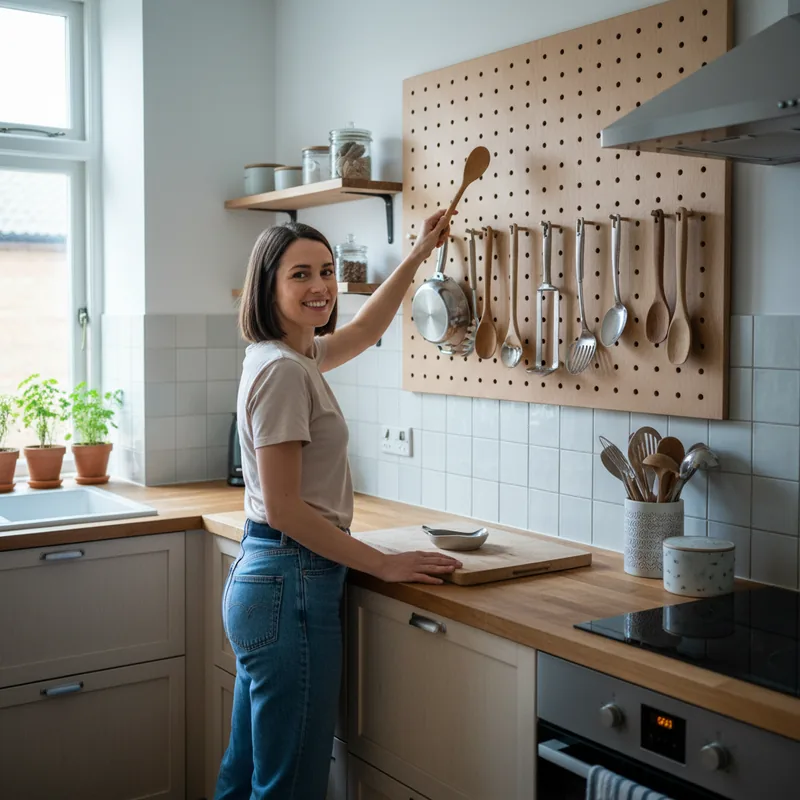
Beyond creating essential surfaces, the key was to exploit every vertical inch. Under-cabinet wine glass racks, versatile utensil holders, sturdy towel racks, and an array of adhesive hooks became my indispensable allies. These allowed everything from mugs and measuring spoons to small cutting boards to hang freely, clearing valuable horizontal space. This vertical strategy is about to get another significant upgrade with the impending arrival of a large pegboard, promising even more wall-mounted storage for frequently used utensils and cookware, further demonstrating the transformative power of smart space-saving tools tricks that.
The visual impact of these changes was immediate, but the functional benefits were even more profound. Suddenly, reaching for a whisk didn't involve rummaging through a cluttered drawer or a teetering stack of items. Everything had a visible, accessible home, making the cooking process smoother and more enjoyable, a true testament to thoughtful design in compact living.
Ingenious Tools & Tricks for Maximizing Every Inch
Once the larger structural changes were implemented, a cascade of smaller, equally impactful improvements became apparent. For instance, my Nespresso machine, a daily essential, demanded a vertical, adhesive-backed holder for its pods, instantly freeing up precious cube space previously monopolized by bulky retail boxes. To access the highest reaches of my limited cabinetry, investing in a sturdy step ladder was non-negotiable, immediately doubling my usable storage volume and making forgotten items accessible again.
Inside those newly accessible cupboards, acrylic risers, previously used for cosmetics, proved invaluable for organizing plates, bowls, and spices. They created tiered visibility and easy access, preventing items from getting lost at the back. Under the sink, a pull-out shelf system transformed a dark, awkward cavern into an accessible, organized spot for cleaning supplies, making chores less cumbersome. For bulk items like grains and oats, a rotating rice dispenser offered a compact and hygienic solution, eliminating unwieldy bags and boxes that hogged cabinet space.
Beyond these, consider other ingenious space-saving tools tricks that that can revolutionize your tiny kitchen. Magnetic knife strips, for example, free up valuable drawer space and keep sharp blades safely out of reach while also creating a sleek, professional look (Harvard Health, 2023). Under-shelf baskets can instantly add an extra "drawer" beneath existing shelves, perfect for foils, wraps, or small snack packets, maximizing vertical space within cabinets. Collapsible cookware, such as silicone bowls, colanders, and measuring cups, flattens down to a fraction of its size, making storage in shallow drawers or tight corners a breeze. And for those needing flexible counter space, a slim rolling utility cart can serve as an extra prep area, a mobile coffee station, or even a temporary dining spot, easily tucked away when not in use.
The Strategic Mindset: Principles for Lasting Kitchen Organization
Transforming a tiny kitchen isn't just about acquiring the right gadgets; it's fundamentally about adopting a strategic mindset for organization that endures. The "Organizational Triangle" served as my guiding star throughout this process: everything needs a designated place, similar items must be stored together, and for every new item that enters, one should ideally leave (Routinova Research, 2024). While I sometimes bent the third rule when bringing in storage solutions, the first two were absolutely foundational. Before, bowls and mugs often languished in the sink, and finding specific tools was a frustrating, time-consuming scavenger hunt, directly impacting my motivation to cook.
By grouping similar items - all spatulas together, all baking ingredients in one dedicated zone - and assigning each category a specific, accessible home, I could accurately assess what I truly owned and what I could confidently declutter. This principle, combined with established techniques like SIMPLE (Sort, Identify, Maintain, Purge, Label, Evaluate) and Core 4 (Containers, Categorize, Contain, Consolidate), emphasized the critical role of containers. Whether it was my hanging racks acting as "containers" for utensils or the dedicated grain dispenser, these systems helped manage volume and maintain order, making these space-saving tools tricks that truly effective and sustainable.
Embracing these organizing rules wasn't just about tidying up; it was about cultivating a more peaceful and efficient environment, reducing daily friction and mental load. Knowing exactly where every item resides, from the specialized ground beef chopper to the everyday whisk, eliminates wasted time and stress from daily routines. This systematic approach ensures that the kitchen remains a functional, inspiring space, ready to support new culinary adventures and contribute positively to overall well-being and productivity, turning a former source of frustration into a source of quiet satisfaction (Mayo Clinic, 2023).