Have you ever considered the invisible threads of trust that weave a relationship together, and the devastation when one snaps? Infidelity, often described as cheating or adultery, represents a profound breach of these foundational agreements within a romantic partnership. It involves engaging in emotional or sexual intimacy with someone outside the established boundaries of your relationship, whether in person or online. This painful betrayal is unfortunately common, impacting a significant percentage of relationships and leaving a trail of emotional distress, anger, and confusion (Vowels et al., 2022).
What is Infidelity?
Infidelity, also known by terms like cheating or adultery, signifies a violation of the exclusive expectations within a committed relationship. This breach can encompass a spectrum of behaviors, ranging from purely emotional bonds to explicit sexual encounters, and can manifest both offline and through digital platforms. The core of infidelity lies in the engagement of intimacy--emotional or sexual--with an individual who is not your primary partner, without their knowledge or consent (AAMFT, 2024).
While societal perceptions of what constitutes "cheating" can vary widely, the universal constant is the breaking of trust. Statistics suggest that infidelity affects a substantial number of relationships, with rates ranging from 20% to 50% across different studies (Vowels et al., 2022). The aftermath is often characterized by intense emotions such as guilt, blame, deep sadness, and profound anger, significantly challenging the stability and future of the relationship.
Why Infidelity Occurs: Exploring the Root Causes
It's a common misconception that infidelity only arises in deeply unhappy relationships. While dissatisfaction is a significant factor, affairs can also occur in partnerships where both individuals report high levels of contentment. The motivations behind infidelity are multifaceted and can stem from a complex interplay of personal and relational dynamics (AAMFT, 2024).
Key reasons individuals may engage in infidelity include:
- Relationship Dissatisfaction: A lack of emotional or physical intimacy, unresolved conflicts, feeling unappreciated, or a sense of neglect within the primary relationship can drive one partner to seek fulfillment elsewhere.
- Individual Factors: Low self-esteem, a persistent need for external validation, or an addiction to sex or romantic novelty can predispose someone to stray. Some individuals may possess personality traits that make them more prone to risk-taking or seeking out new experiences, including extramarital ones (Vowels et al., 2022).
- Situational Opportunities: Increased travel, new work environments, or social circles that normalize or implicitly encourage extramarital liaisons can create opportunities that lead to infidelity.
- Societal and Cultural Norms: In some contexts, cultural attitudes towards sex and relationships may be more permissive, subtly influencing behavior.
- Sexual Urges and Insecurity: Studies suggest that individuals with higher sexual urges may be more inclined towards infidelity. Similarly, those with profound insecurities might seek validation and attention through an affair to boost their self-worth (Vowels et al., 2022).
Research also indicates some gender differences, with men often more likely to engage in sexual infidelity, while women may be more prone to emotional infidelity (Vowels et al., 2022). However, these are general trends, and individual circumstances vary widely. Understanding these underlying causes is essential for anyone trying to comprehend the complex phenomenon of infidelity: signs, types, how to prevent it, and how to recover.
Subtle Signals: Recognizing the Signs of Infidelity
Discerning if a partner is engaging in infidelity can be incredibly challenging without concrete proof. However, a pattern of changes in behavior often serves as a series of red flags that may indicate a breach of trust. It's crucial to look for multiple indicators rather than isolating a single change (AAMFT, 2024).
Some common indicators that may suggest a partner is involved in an affair include:
- Changes in intimacy: You might observe a significant shift in your shared sex life. This could manifest as a sudden lack of interest, difficulty with arousal, or, conversely, an unusual surge in sexual desire or a request for new, previously unexpressed sexual activities that feel unfamiliar (AAMFT, 2024).
- Heightened attention to appearance: A partner who suddenly dedicates more effort to their grooming, wardrobe, or physical fitness than usual, especially without a clear explanation, might be trying to impress someone new.
- Increased secrecy and privacy: A sudden demand for more personal space, becoming unusually protective of their phone or computer, or deleting message histories could signal hidden communications. For instance, a partner might start taking calls in another room or keep their phone face down at all times.
- Unexplained absences and altered routines: Spending more time away from home, embarking on frequent or extended "work trips," or having new social engagements without you can be a sign. Their daily schedule might become less transparent.
- Emotional distance or volatility: You may find it increasingly difficult to connect with your partner on an emotional level. They might appear distracted, stressed, or exhibit uncharacteristic hostility, coldness, or reactivity towards you. This emotional withdrawal can be a significant indicator.
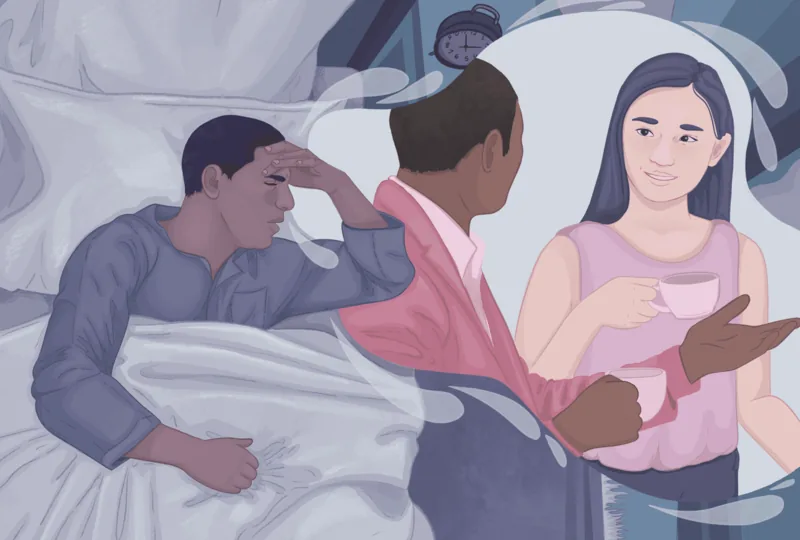
- Sleep disturbances: A partner who is not sleeping well, or whose sleep patterns drastically change, could be experiencing stress or guilt related to an affair.
- Financial discrepancies: Unexplained withdrawals, new credit card statements for unfamiliar purchases, or a sudden lack of transparency regarding shared finances could point towards an affair.
It's important to remember that these signs, individually, might have innocent explanations. However, when several of these behaviors emerge concurrently, they warrant a deeper look into the possibility of infidelity: signs, types, how to address such a sensitive situation require careful consideration.
Beyond the Physical: Exploring Types of Infidelity
Infidelity is not a monolithic concept; it encompasses a variety of behaviors and levels of involvement. What one person considers cheating, another might not, underscoring the importance of clear communication about boundaries within a relationship. While a secret sexual encounter is the most commonly recognized form, other types of infidelity can be equally damaging to trust (Fye & Mims, 2019).
Couples generally recognize these primary categories of infidelity:
Sexual Infidelity
This involves any form of physical sexual relations outside the committed relationship. It can range from one-time encounters to ongoing affairs and may or may not include an emotional connection with the third party. The physical act itself constitutes the betrayal, regardless of emotional attachment.
Emotional Infidelity
Emotional infidelity occurs when a partner develops a deep emotional intimacy, connection, and attachment with someone outside the primary relationship. This often involves sharing personal thoughts, feelings, and vulnerabilities that are typically reserved for a romantic partner. The key differentiators from a platonic friendship are the presence of flirting, sexual chemistry, and, critically, secrecy. For example, a partner might regularly confide their deepest fears and relationship frustrations in a co-worker, seeking comfort and validation from them instead of their primary partner, and actively hide these interactions. This hidden emotional bond can be profoundly damaging.
Online or Cyber Infidelity
With the rise of digital communication, online infidelity has become increasingly prevalent. This involves engaging in sexual or emotional affairs through internet chat rooms, messaging apps, social media, or the exchange of explicit photos and fantasies. The virtual nature does not diminish the betrayal; for many, the intent and intimacy involved are as damaging as an in-person affair (AAMFT, 2024). Opinions vary on whether viewing pornography without direct interaction constitutes infidelity, highlighting the need for couples to define their own digital boundaries.
The Ripple Effect: Understanding the Impact of Infidelity
The fallout from infidelity can be devastating, affecting not only the betrayed partner but also the one who cheated, and the relationship itself. When trust is shattered, individuals often experience profound distress, depression, and a sense of being completely adrift. The emotional landscape becomes fraught with heightened anxiety, guilt, anger, and betrayal (AAMFT, 2024).
For the betrayed partner, the experience can be akin to a traumatic event. Some mental health professionals even propose a condition known as post-infidelity stress disorder (PISD), characterized by symptoms remarkably similar to PTSD, including rumination, avoidance behaviors, intense anxiety, depression, intrusive thoughts or flashbacks, insomnia, and social withdrawal (Lonergan et al., 2021). The constant mental replay of the affair, known as "movie reel" images, can be agonizing and disrupt daily functioning.
The ability to trust again often seems insurmountable. Infidelity is a leading cause of marital strain and divorce, frequently prompting couples to seek relationship counseling as a last resort (Knopp et al., 2017). The emotional damage can be long-lasting, potentially affecting future relationships and an individual's self-esteem. Understanding the profound impact is crucial when considering how to approach and heal from such a deep wound.
Forging a Path Forward: Coping and Healing After Infidelity
While the pain of infidelity is immense, and it's critical not to remain in a repeatedly abusive or unremorseful situation, there is potential for healing and even rebuilding. The journey of coping with infidelity is deeply personal and complex, often requiring significant effort from both partners if reconciliation is the goal (AAMFT, 2024).
Seeking Professional Support
Relationship counseling with a licensed therapist is often invaluable for couples grappling with infidelity. A skilled therapist can create a safe, neutral space where both partners can express their feelings, needs, and hopes for the future without judgment. Early sessions typically involve exploring the underlying reasons for the affair, which can include dissatisfaction within the relationship, individual insecurities, or even personality traits (Vowels et al., 2022). This exploration helps both parties gain awareness before deciding whether to mend the relationship or move on.
If the couple chooses to work towards reconciliation, the therapist will provide tools to improve communication, foster forgiveness, and facilitate the rebuilding of trust. This includes establishing clear, firm boundaries to prevent future betrayals. Addressing unhealthy relationship patterns, such as codependency, self-blame, or ineffective communication styles like stonewalling, criticism, and contempt, is also a critical part of the therapeutic process.
Individual Healing Strategies
Beyond couples therapy, individual coping mechanisms are vital. For the betrayed partner, this might involve journaling to process complex emotions, seeking support from trusted friends or family, or engaging in individual therapy to address personal trauma and rebuild self-esteem. For the partner who cheated, it involves taking full responsibility, demonstrating genuine remorse, and committing to behavioral changes. Both individuals benefit from self-care practices like mindfulness, exercise, and ensuring adequate sleep to manage the immense stress.
Finding the right therapist is crucial; it's recommended to interview several professionals to ensure a comfortable and effective therapeutic relationship. The path to healing is not linear, but with commitment and professional guidance, it is possible to navigate the aftermath of infidelity, leading to personal growth and, for some, a stronger, more honest relationship.
If you or someone you know is experiencing domestic violence, confidential assistance and support are available. Please contact the National Domestic Violence Hotline at 1-800-799-7233.