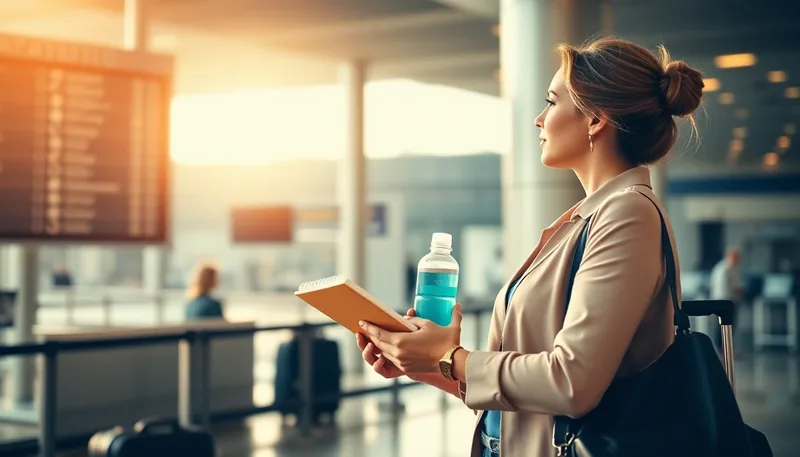
Have you ever felt your heart race at the thought of booking a flight, or experienced overwhelming dread when planning what should be an exciting adventure? For millions, travel anxiety--clinically known as hodophobia--transforms potential journeys into sources of significant stress rather than opportunities for discovery. Understanding effective ways to cope fear can transform your relationship with travel, whether you're navigating airports, cruise terminals, or unfamiliar cities.
Understanding Travel Anxiety
Hodophobia manifests uniquely across individuals, ranging from specific transportation fears to generalized anxiety about leaving familiar environments. Unlike general anxiety, this phobia specifically targets the act of movement and transition between locations. Physical symptoms often include trembling, excessive sweating, gastrointestinal distress, and headaches, while cognitive symptoms involve racing thoughts, catastrophic thinking, and decision paralysis.
Research indicates that travel anxiety frequently coexists with other conditions like claustrophobia, performance anxiety, or risk aversion (Harvard, 2024). The distinction between hodophobia and agoraphobia is subtle but important: while agoraphobia centers on fear of panic attacks in inescapable situations, hodophobia specifically targets the travel process itself. Recognizing these nuances helps tailor effective ways to cope fear to your specific experience.
Practical Coping Strategies
Implementing structured approaches can significantly reduce travel anxiety symptoms. These evidence-based techniques offer practical ways to cope fear before and during your journeys.
Pre-Travel Preparation
Strategic planning serves as your first line of defense against anxiety. Begin by thoroughly researching your destination, accommodation, and transportation options weeks before departure. Create detailed itineraries with built-in flexibility, and confirm all reservations several days in advance. Digital tools like virtual tours of airports or hotel rooms can provide comforting familiarity before you arrive.
Consider this new example: Progressive exposure planning involves taking increasingly challenging trips over time. Start with a short drive to a nearby town, progress to a train journey to a neighboring city, then advance to a short flight. Each successful experience builds confidence for the next, creating positive associations with travel.
During-Travel Techniques
Mindfulness and grounding exercises prove invaluable when anxiety surfaces during travel. Practice deep breathing techniques--inhale for four counts, hold for four, exhale for six--to activate your parasympathetic nervous system. Carry sensory grounding items like textured stones, essential oils, or comforting photographs to anchor yourself during moments of distress.
Another original approach: Create digital detox zones during your journey. Designate specific periods where you disconnect from news, social media, and travel updates. Instead, focus on engaging books, calming music, or observation exercises that keep you present rather than anticipating potential problems.
Professional Support Options
When self-management strategies prove insufficient, professional interventions offer powerful ways to cope fear. Cognitive-behavioral therapy (CBT) has demonstrated particular effectiveness for phobia treatment, with success rates exceeding 80% for specific phobias when properly implemented (Mayo Clinic, 2023).
Systematic desensitization, a CBT technique, gradually exposes individuals to anxiety-provoking situations while teaching relaxation skills. A therapist might guide you through imagining travel scenarios, then progress to visiting airports without flying, and eventually taking short flights. This method rewires neural pathways, reducing the fear response over time.
Medication management, when combined with therapy, can provide additional support for severe cases. Consult healthcare professionals about options that might suit your specific needs, understanding that pharmaceutical approaches work best as part of comprehensive treatment plans rather than standalone solutions.
Building Resilience Habits
Long-term management of travel anxiety involves developing sustainable lifestyle practices that reduce overall stress levels. Regular exercise, particularly aerobic activities, decreases baseline anxiety and improves stress tolerance. Sleep hygiene--maintaining consistent sleep schedules and creating restful environments--directly impacts emotional regulation capacity.
Nutritional considerations also play a role in anxiety management. Balanced meals with complex carbohydrates, lean proteins, and omega-3 fatty acids support stable mood and energy levels. Hydration deserves special attention during travel, as dehydration exacerbates anxiety symptoms and impairs cognitive function.
Consider this innovative approach: Create a travel anxiety toolkit containing customized resources for your specific triggers. Include printed coping cards with reassuring statements, contact information for support systems, comfort items, and distraction tools. Having this physical collection provides tangible reassurance during challenging moments.
Community and Connection
Social support significantly enhances all ways to cope fear. Traveling with understanding companions provides practical assistance and emotional reassurance. When solo travel is necessary, maintain regular check-ins with trusted contacts through scheduled calls or messages.
Online and in-person support groups connect individuals facing similar challenges, reducing feelings of isolation. These communities share practical strategies, celebrate successes, and provide encouragement during setbacks. Remember that seeking support represents strength, not weakness, in managing travel anxiety.
Professional resources like the National Alliance on Mental Illness (NAMI) offer additional guidance and referral services for those needing specialized support. Early intervention typically yields better outcomes, so consider consulting professionals when anxiety significantly impacts your quality of life or travel aspirations.
Ultimately, effective ways to cope fear involve personalized combinations of preparation, technique, and support. By understanding your specific triggers and implementing tailored strategies, you can gradually expand your comfort zone and rediscover the joy of exploration. Each small victory builds confidence for larger adventures, transforming travel from a source of dread to an opportunity for growth and discovery.