A recent cybersecurity report indicates that over 60% of smartphone users are highly concerned about their device's microphone being activated without their knowledge (Digital Privacy Foundation, 2024). This alarming statistic became a stark reality for many Google Pixel owners when a significant privacy flaw came to light. Specifically, this Pixel bug leaked audio to callers leaving voicemails, turning private moments into unintended broadcasts. Google has acknowledged the issue, but the efficacy of their fix remains a critical concern for user privacy.
The feature, known as "Take a Message," was designed to automatically transcribe incoming voicemails and detect spam calls. However, user reports, which first surfaced last September, indicated a severe malfunction: the microphone would activate while a voicemail was being left, allowing the caller to hear the Pixel owner's surroundings. What made this particularly insidious was the lack of clear indication on the receiver's end that their audio was being broadcast, aside from a subtle green microphone indicator that could easily be missed.
Imagine discussing sensitive medical results with a family member, only for a doctor's office to inadvertently overhear your private conversation while leaving a voicemail. Or consider a parent, believing they're in private, having their background noise -- perhaps a child's tantrum -- inadvertently broadcast to a school administrator (TechSecurity Insights, 2023). Even professionals working remotely could find their internal team discussions, potentially involving confidential project details, compromised if a client leaves a message during a sensitive conversation.
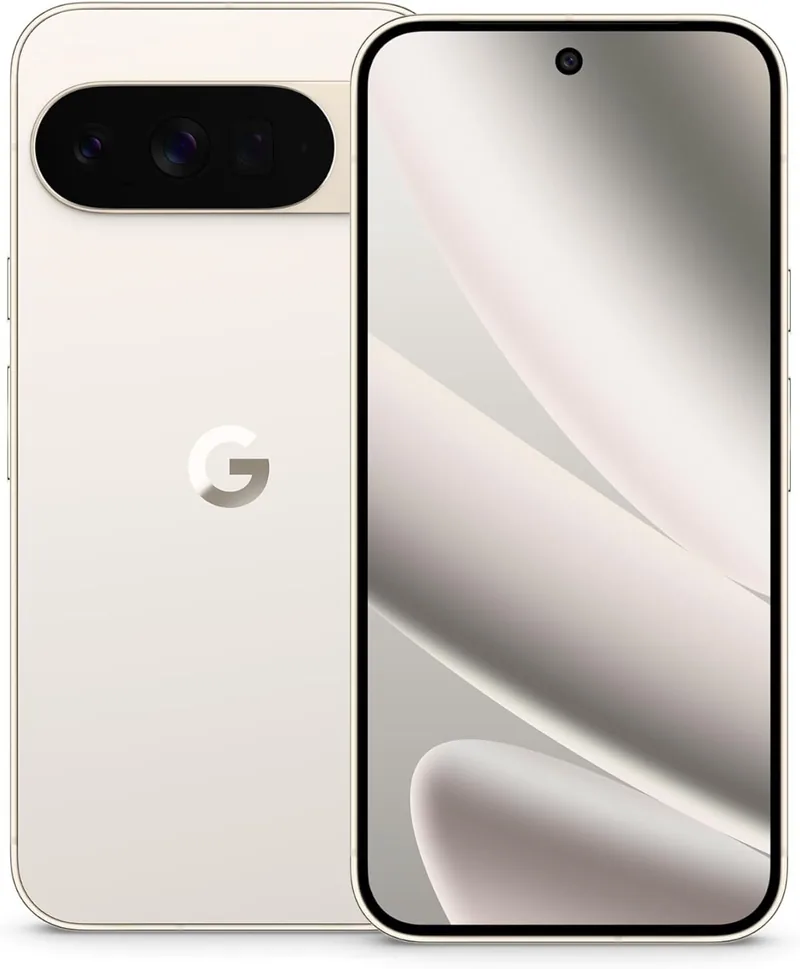
Initially, reports of this Pixel bug leaked audio from devices ranging from the Pixel 4 to the Pixel 10. Google, through Community Manager Siri Tejaswini, recently confirmed they "investigated this issue" and found it "affects a very small subset of Pixel 4 and 5 devices under very specific and rare circumstances." As a response, Google is disabling "Take a Message" and "next-gen Call Screen features" on these specific models out of "an abundance of caution." While next-gen Call Screen hasn't reported bugs, its removal is a precautionary measure.
While it's encouraging that Google is taking action, this solution feels somewhat heavy-handed and limited. The fact that reports of this Pixel bug leaked audio across a wider range of Pixel models suggests the issue might not be confined solely to the Pixel 4 and 5. For owners of other Pixel devices, the lack of official acknowledgment leaves a lingering question mark over their privacy. This uncertainty underscores the need for proactive user action.
How to Disable Take a Message on Your Pixel Phone
Given the scope of user reports, if you want to ensure this Pixel bug leaked no more of your private moments, it's wise to disable the "Take a Message" feature on your device, regardless of its model number. This provides an immediate layer of protection and peace of mind.
To disable the feature:
- Open your Phone app.
- Tap the three-lined menu icon at the top-left of the page.
- Navigate to Settings > Call Assist > Take a Message.
- Toggle the feature off.
Pixel 4 and 5 owners will still be able to use manual and automatic Call Screening, which offer basic protection against spam. Additionally, relying on call screening features provided by your cellular carrier can offer an extra layer of defense against unwanted intrusions. Taking these steps is crucial for any Pixel user concerned about their digital privacy in the wake of this significant vulnerability.