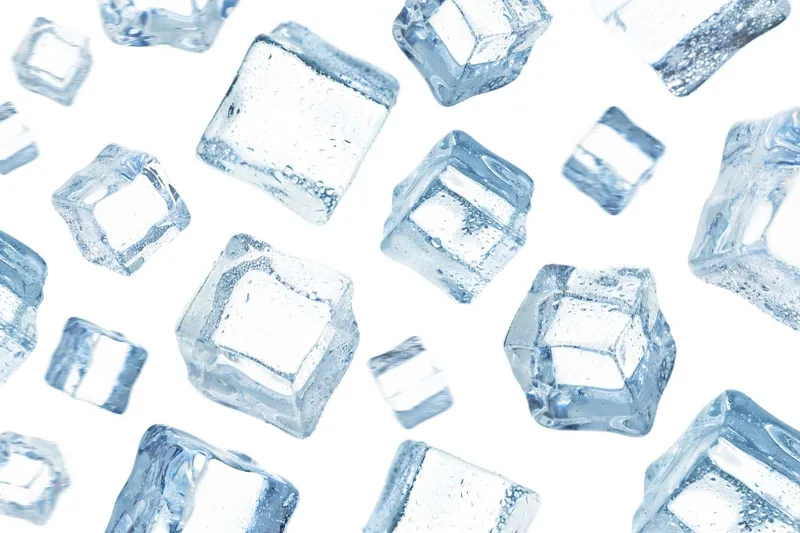
Did you know that a persistent craving for ice, a condition known as pagophagia, might signal something more serious than just a preference for a cold treat? While enjoying a frosty beverage on a hot day is common, an intense and frequent urge to chew or consume ice can be a surprising indicator of underlying health issues. Understanding what it means when you crave ice is the first step toward addressing potential problems, ranging from simple nutritional deficiencies to more complex psychological conditions.
Understanding Ice Cravings
Occasional ice consumption is rarely a cause for concern. However, when the desire for ice becomes obsessive, consuming your thoughts and time, it warrants a closer look. This isn't just about enjoying a cold sensation; it's about a compulsion that can significantly impact your well-being. Let's explore the reasons behind these persistent urges and what it means if you find yourself constantly reaching for ice.
Ice Pica: The Compulsion to Consume Ice
When the habit of eating ice persists for over a month and begins to disrupt daily life, it may be diagnosed as pica. Pica is a disorder characterized by the persistent eating of non-nutritive items, such as dirt, hair, paper, or ice. The specific form involving an intense craving for ice is called ice pica, or pagophagia. This condition involves a powerful compulsion to suck, eat, or chew ice, or even drink extremely cold beverages.
Pagophagia is often considered a type of obsessive-compulsive disorder (OCD) due to this compulsive nature. Individuals with ice pica might develop specific preferences, like desiring only certain types of ice or consuming it in particular ways. For instance, some may compulsively drink ice-cold drinks, while others prefer ice mixed with sugary syrups. Some people fixate on the act of chewing ice, while others prefer to suck on it until it dissolves.
A historical example of this compulsion is Theophilus, a Byzantine Emperor who reigned in the 9th century and was known for his habit of eating snow and ice (Bhatia & Kaur, 2014). This demonstrates that while pagophagia can be linked to modern psychological understanding, the behavior itself has a long history.
The Surprising Link to Iron Deficiency
Perhaps one of the most common, yet often overlooked, reasons for craving ice is iron deficiency, even in the absence of full-blown anemia. The exact mechanism linking iron deficiency to ice cravings isn't entirely clear, but several theories exist. One popular hypothesis suggests that iron deficiency leads to chronic fatigue. The cold temperature and texture of ice might provide a temporary, subconscious energy boost, helping individuals feel more alert (Rabel et al., 2016).
Another theory proposes that chewing ice can help soothe the swelling and soreness of the tongue that sometimes accompanies anemia. Regardless of the precise reason, certain groups are at a higher risk for iron deficiency and, consequently, ice pica. This includes women who are pregnant or menstruating, children, and individuals who consume large amounts of cow's milk or diets low in iron-rich foods.
The connection between iron deficiency and ice pica is well-documented. Studies have shown that a significant percentage of individuals with iron depletion also exhibit ice pica, a rate considerably higher than in those with sufficient iron levels (Bryant et al., 2013). This suggests that pagophagia can act as a crucial warning sign that your body is lacking essential iron. It's also possible that other nutritional deficiencies, such as low zinc or calcium levels, might contribute to pica behaviors as well (Hocaoğlu, 2018).
Other Potential Causes and Consequences
Beyond iron deficiency and pica, ice cravings can sometimes be associated with other medical and psychological conditions. These include autism spectrum disorder, dementia, intellectual disabilities, obsessive-compulsive disorder (OCD), and schizophrenia. If you find yourself constantly craving ice or chewing it habitually, it's essential to consult a healthcare provider to pinpoint the exact cause.
The consequences of constantly chewing ice can extend beyond the underlying cause. The sheer hardness and coldness of ice can inflict significant damage on your teeth. It can weaken tooth enamel, leading to cracks, chips, and increased vulnerability to decay. This can result in substantial dental bills and affect your smile's appearance. For example, a young woman who habitually chewed ice developed several cracked molars, requiring extensive and costly dental work.
Furthermore, a preoccupation with consuming ice might lead to a reduced intake of nutritious foods. This displacement of essential nutrients can have broader health implications. Some research has also identified a connection between pagophagia and the development of eating disorders, highlighting the complex interplay between behavior and nutrition.
When to Seek Help and Treatment Options
Recognizing when your ice cravings signal a problem is crucial. If you're not craving ice simply to cool down after strenuous activity or on a hot day, and the desire is obsessive, consuming your thoughts and time, it's a sign to pay attention. The key difference between a preference and pagophagia is the prolonged, unrelenting nature of the longing.
If you suspect your ice cravings are more than just a habit, seeking professional help is vital. Undiagnosed iron deficiency can lead to serious health issues like heart problems and developmental delays in children. Untreated ice pica can result in electrolyte imbalances, metabolic disorders, and significant mental health distress. Being open and honest with your doctor about the frequency and intensity of your cravings is paramount for an accurate diagnosis, especially since some medical professionals may not routinely inquire about pica (Mehra et al., 2018).
Treatment for ice cravings directly addresses the underlying cause. For iron deficiency, iron supplements are typically the first line of treatment. In severe cases, intravenous iron infusions or blood transfusions might be necessary. For pagophagia, resolving nutritional deficiencies often leads to the cessation of cravings. If no deficiency is found, treatment focuses on underlying psychological conditions like OCD, depression, or anxiety, potentially involving cognitive-behavioral therapy (CBT).
CBT can be particularly effective by helping individuals identify and modify negative thought patterns contributing to their distress and compulsive behaviors. It can also teach healthier coping mechanisms for stress, which is often a trigger for ice chewing. For instance, instead of chewing ice, a patient might learn to practice mindfulness or engage in physical activity. If dental damage has occurred, a dentist can provide necessary repairs and guidance on preventing further harm.
Breaking the habit, especially when it has become deeply ingrained, can be challenging. However, by acknowledging the issue, seeking appropriate treatment, and adopting alternative behaviors--like chewing sugar-free gum, eating an apple, or drinking cold, ice-less beverages--you can take significant steps toward managing these cravings and improving your overall health. Sharing your struggles with supportive loved ones can also provide encouragement and strengthen your resolve.