How to Stop an Addiction: A Comprehensive Guide for 2025
Understanding how to stop an addiction is a crucial first step toward recovery and a healthier life. Many people find themselves wondering, “Why can’t I stop this?” The journey to break free from addiction can be complex, involving significant changes in brain function and deeply ingrained habits. This guide provides essential insights and actionable strategies to help you navigate the process of ending addiction successfully, highlighting the challenges and offering practical solutions for a sustainable recovery.
It’s natural to feel overwhelmed when confronting an addiction. Recognizing that your habits are causing harm is a powerful catalyst for change. This article will delve into the underlying reasons why quitting is so difficult, explore common obstacles, and outline effective strategies to help you stop addiction and build a fulfilling, sober future. With the right support and a clear plan, achieving freedom from addiction is entirely possible.
Key Takeaways
- Addiction significantly impacts the brain’s ability to regulate impulses and make sound decisions, making the process to stop addiction challenging.
- The development of tolerance and the onset of withdrawal symptoms are major hurdles that make it harder to quit addictive behaviors.
- A well-structured plan combined with robust support systems is crucial for successfully overcoming addiction and sustaining recovery.
1. Why Quitting Addiction Feels So Hard
Many individuals who grapple with addiction are often surprised by the immense difficulty involved in quitting. This isn’t a sign of personal weakness, but rather a reflection of the profound changes addiction induces in the brain. The frontal cortex, responsible for executive functions like impulse control and judgment, becomes altered, impairing your ability to resist addictive urges (Harvard, 2024).
Furthermore, the brain’s reward system undergoes significant modifications. Memories associated with past rewards can powerfully trigger cravings, creating an intense “hunger” for the substance or behavior, even when faced with dire negative consequences. These neurological shifts create a formidable internal battle, making the decision to stop addiction incredibly complex.
Despite these brain changes, it’s vital to remember that addiction is a treatable condition. Recovery is not only possible but achievable with the right resources and a tailored approach. The journey to stop addiction is multifaceted, influenced by a blend of physical, mental, emotional, and biological factors.
This inherent complexity is precisely why many find professional treatment invaluable in guiding them through the recovery process. However, it’s also worth noting that a significant number of people successfully overcome addiction on their own, demonstrating the resilience of the human spirit. The good news is, irrespective of the path taken, you can successfully stop addiction and embark on a healthier chapter.
2. The Role of Tolerance and Withdrawal in Addiction
Tolerance and withdrawal are two fundamental pillars that reinforce addictive cycles, making it incredibly difficult for individuals to stop addiction. If these phenomena didn’t exist, the path to quitting would likely be far less arduous. Understanding their mechanisms is crucial for anyone seeking to break free.
Tolerance refers to the body’s diminished response to a substance or behavior over time. Both a physical and psychological process, it means that as the addictive behavior is repeated, you require increasingly larger amounts or more intense experiences to achieve the same initial effect. For instance, drugs like alcohol or opioids directly interact with specific brain receptors, leading to physical tolerance.
Similarly, behavioral addictions, such as gambling or excessive gaming, initially produce intense feelings of excitement or escape. Over time, these feelings become less potent, compelling the individual to engage more frequently or intensely to chase that diminishing high. As tolerance escalates, the desire or perceived need to increase the dosage or frequency of the addictive activity becomes overwhelming, further cementing the addiction. This drive to constantly seek more makes it exceptionally challenging to stop addiction.
When an individual attempts to stop using a substance or engaging in a behavior they’re addicted to, the body and mind react strongly. This reaction is known as withdrawal. Withdrawal symptoms are essentially the body’s protest against the absence of the accustomed substance or behavior. Critically, these symptoms are temporarily relieved when the addictive activity is resumed, creating a powerful negative reinforcement loop that traps individuals in the cycle of addiction. While these symptoms can be severe, they are temporary and will eventually subside, often permanently, after successful cessation.
3. Navigating the Physical and Psychological Effects of Withdrawal
When you make the brave decision to stop addiction, preparing for withdrawal symptoms is a critical step. These symptoms can be profoundly unpleasant and are a primary reason many find it challenging to sustain their commitment to quit. The specific physical manifestations of withdrawal vary widely depending on the nature of the addiction, but common experiences can include significant discomfort.
Physically, you might experience a range of symptoms such as changes in appetite, a general feeling of malaise, muscle aches, nausea, involuntary shaking, and stomach upset. For addictions to substances like alcohol or drugs, physical withdrawal often resolves within several days. However, this period can be intensely uncomfortable and, in some cases, even dangerous without medical supervision. It is highly recommended to seek support from a healthcare provider when planning to stop addiction, as they can offer guidance and potentially prescribe medications to alleviate withdrawal symptoms and ensure safety (Harvard, 2024).
Beyond the physical discomfort, the psychological effects of withdrawal can be equally, if not more, challenging. These mental and emotional symptoms can persist longer than physical ones, according to the National Institute on Drug Abuse (NIDA). Common psychological symptoms include heightened anxiety, intense cravings for the addictive substance or behavior, feelings of depression, increased irritability, significant mood swings, and difficulties with sleep.
Just as with physical symptoms, it is crucial to discuss any mental or emotional withdrawal experiences with your doctor or a mental health professional. These professionals can provide strategies and support to manage these difficult feelings, which are a normal part of the process to stop addiction. Successfully navigating both the physical and psychological aspects of withdrawal is a major milestone on the path to lasting recovery.
4. Common Challenges on the Path to Ending Addiction
Even after successfully enduring the withdrawal phase and committing to a life free from addiction, numerous challenges often persist. Addiction fundamentally disrupts the balance in one’s life, and these underlying conflicts don’t simply vanish once the addictive behavior ceases. A significant hurdle for many is the loss of the addictive habit as a primary coping mechanism for stress.
Individuals often rely on their addiction to manage stress, anxiety, or difficult emotions. When you decide to stop addiction, this familiar coping tool is removed, leaving a void. This is precisely why it’s paramount to establish healthy, alternative coping strategies before fully committing to quit. Without these new mechanisms in place, you become highly susceptible to intense urges to relapse, rationalizing “just one more time” as a way to escape discomfort.
A therapist can play an invaluable role in helping you develop these essential daily coping skills, equipping you to face life’s challenges without resorting to old habits. Furthermore, strong relationship support from friends, family, or support groups can provide a crucial buffer, helping you navigate conflicts and avoid using your addiction for comfort or escape. For example, learning to communicate openly about stress instead of self-medicating is a vital new skill.
Another common internal struggle is ambivalence – the simultaneous desire to continue the addictive behavior and the strong urge to quit. This mixed feeling is a natural part of the addictive process, often present even in the early stages of experimentation. For some, particularly with certain behavioral addictions, this challenge manifests as internal conflict between “right” and “wrong,” which can lead to intense feelings of guilt that paradoxically hinder progress. For example, a person struggling with compulsive spending might feel immense guilt, yet find it hard to stop due to underlying emotional triggers.
5. Overcoming Guilt and Justification in Recovery
The journey to stop addiction is often complicated by profound feelings of guilt and the powerful urge to justify one’s actions. When your behavior clashes with your personal values or societal standards, the resulting discomfort can be a strong motivator for change. However, these same feelings of guilt can, ironically, work against you, leading to a cycle of self-justification that impedes the crucial decision to quit (Harvard, 2024).
Justification is a cognitive process where individuals create reasons or excuses for their addictive behavior, often to alleviate the psychological distress caused by the conflict between their actions and their values. This self-deception can be a formidable barrier to recovery. Common forms of justification include:
- Denial: “It’s not a real problem; I’m in control.”
- Minimization: “I’ve already cut back significantly; it’s not as bad as it used to be.”
- Comparisons: “My friend drinks far more than I do,” or “At least I’m not doing X.”
- Defiance: “I’d rather live a shorter, happy life enjoying this than be miserable without it.”
- Rationalization: “I work hard, I deserve this treat,” or “I’m much more creative when I’m using.” A new example: “I need this to relax after a stressful day at work.”
- Lesser of two evils: “Better I engage in this behavior than I become impossible to live with.”
- Misinformation: “There are health benefits to this, so it’s fine,” or “It helps me focus.” A new example: “Everyone has a vice; mine just happens to be this.”
- Taking behavior out of context: “In some cultures, this behavior is acceptable, so why not for me?”
- Glorification: “Famous historical figures did this, so it can’t be that bad.”
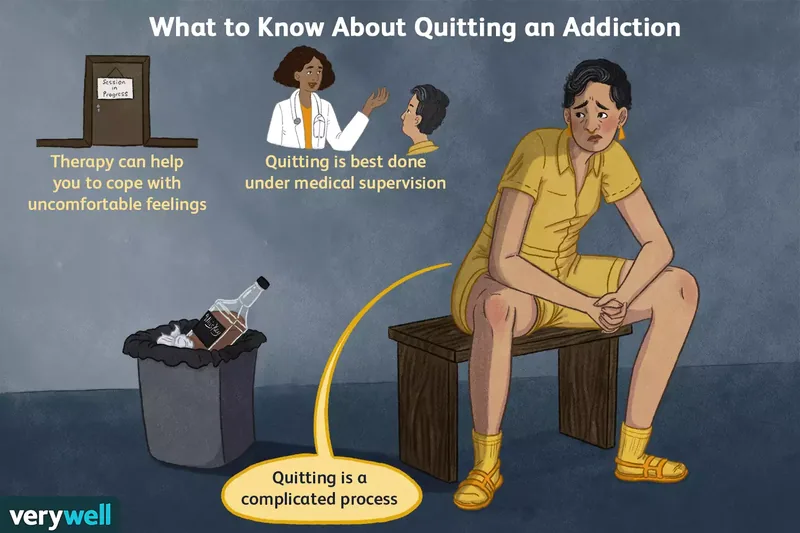
As Dr. Margaret Seide, a board-certified psychiatrist, wisely notes, “A major misstep with sobriety is the all or nothing approach.” This rigid thinking can intensify feelings of guilt after any perceived slip-up, making it harder to get back on track. Therapy is instrumental in helping individuals cope with uncomfortable emotions and unravel these irrational thought patterns that perpetuate addiction. Quitting is rarely easy or linear, but a strong support network and a comprehensive treatment program significantly enhance the likelihood of achieving lasting freedom from addiction.
6. Proven Strategies to Stop Addiction in 2025
Overcoming an addiction is a journey that demands intentionality, planning, and resilience. It begins with the firm decision to quit, progresses through strategic planning for cessation, involves navigating the challenging phase of withdrawal, and critically focuses on sustained relapse prevention. To successfully stop addiction, you must proactively set yourself up for success, as highlighted by Dr. Margaret Seide.
“With addiction, you want to make sure that you set yourself for success,” advises Dr. Seide. This often means making deliberate choices about your environment and social interactions, especially in the early stages of recovery. For example, if you are working to stop alcohol addiction, it’s wise to initially avoid places where alcohol is prevalent, such as bars or certain social gatherings. “This might mean turning down invitations to barbecues or dinner parties, but try to remember that there will be more gatherings in your future when you have more time in sobriety under your belt and are likely to be more comfortable making choices that are in alignment with your goals,” she adds. This 2025 perspective emphasizes long-term planning over immediate gratification.
Here are some other effective strategies to help you stop addiction:
- Prepare to Quit: Before you embark on the path to quit addiction, dedicate time to thoughtful preparation. This includes identifying and eliminating environmental triggers that might prompt cravings. Think about social support systems you can lean on, and mentally prepare for the changes ahead. For example, if online gaming is your addiction, consider setting strict screen time limits or uninstalling games from your devices.
- Consider Medications for Addiction Treatment: For those struggling with alcohol or drug addiction, there are highly effective medications available that can facilitate a safer and more successful quitting process. These medications can help manage withdrawal symptoms and reduce cravings. Consult your doctor to discuss these options as part of your comprehensive plan to stop addiction (Harvard, 2024).
- Optimize Your Environment: A crucial step is to remove anything that acts as a reminder or trigger for your addiction. This might involve decluttering your living space of related items, but it often extends to altering routines and social patterns. You may need to avoid specific locations (like certain restaurants or entertainment venues) or even temporarily distance yourself from social circles where the addictive behavior was common. A new example: If you’re struggling with a shopping addiction, unsubscribe from retail newsletters and avoid browsing online stores.
- Find Healthy Distractions: When cravings strike, having pre-planned distractions can be incredibly effective in diverting your focus and preventing relapse. Create a list of engaging activities you enjoy. This could include going for a brisk walk, immersing yourself in a captivating book, watching a new television series, or reaching out to a supportive friend. Staying busy and engaged helps to mitigate the power of temptation.
- Cultivate a Strong Support System: Openly communicate your plan to stop addiction with your closest friends and family members. Ask for their understanding and active support. Knowing you have people in your corner who are committed to helping you navigate the challenges can provide immense encouragement and strength during difficult moments. Joining a support group, whether in-person or online, can also connect you with others who understand your struggles.
Beyond medication, various forms of psychotherapy are highly effective in helping individuals stop addiction. Cognitive Behavioral Therapy (CBT) is a widely recognized approach that helps people identify and change negative thought patterns and develop healthier coping skills. Since no single treatment fits everyone, working with a therapist to find the most suitable approach significantly boosts your chances of success. Other beneficial strategies include Contingency Management, Rational Emotive Behavior Therapy (REBT), 12-step programs, SMART Recovery, and mindfulness-based interventions, all contributing to a holistic approach to sustainable recovery in 2025.
If you or a loved one are struggling with substance use or addiction, contact the Substance Abuse and Mental Health Services Administration (SAMHSA) National Helpline at 1-800-662-4357 for information on support and treatment facilities in your area.