You’ve felt it. That sinking feeling in your stomach after a conversation, the constant knot of anxiety before speaking, the nagging doubt about your own perceptions. It’s not just a bad day; it might be the insidious creep of verbal abuse, a form of emotional manipulation that erodes your self-worth piece by piece. Recognizing these patterns is the crucial first step to reclaiming your peace and your reality.
What Exactly Is Verbal Abuse?
Verbal abuse is more than just an argument or harsh words. It's a deliberate pattern of using language to control, demean, humiliate, or manipulate another person, often to maintain power. While overt aggression like yelling and name-calling is unmistakable, verbal abuse frequently hides in plain sight, disguised as concern, humor, or even love. It chips away at your confidence, making you question yourself and your experiences.
The goal of the abuser is to make you feel inadequate, dependent, and ultimately, to control your thoughts and actions. This isn't about constructive criticism; it's about causing emotional harm and asserting dominance.
Spotting the Subtle and Overt Signs
Sometimes, the signs of verbal abuse are loud and clear. Other times, they are so subtle you might dismiss them. Learning how to recognize verbal abuse means tuning into how these interactions make you feel and observing consistent patterns of disrespect.
Do you often feel:
- Afraid of the other person's reaction?
- Bad about yourself after interacting with them?
- Like you’re constantly walking on eggshells?
- Unable to share your thoughts or feelings for fear of ridicule?
- Ashamed or inferior?
- Threatened or belittled about your appearance, thoughts, or actions?
- That your concerns are dismissed as oversensitivity or a lack of humor?
- Blamed for their outbursts or problems?
- Like you’ve had to change yourself to please them?
If these feelings are a consistent part of your interactions, it's a significant indicator that you might be experiencing verbal abuse.
Common Tactics of Verbal Abuse
Verbal abuse isn't a single act; it's a toolkit of manipulative behaviors. Understanding these tactics is key to knowing how to recognize verbal abuse in your own life.
- Blaming: Shifting responsibility for their actions or the relationship's problems onto you, making you feel guilty or at fault.
- Condescension/Belittling: Speaking down to you, often disguised as jokes or helpful advice, to make you feel inferior. For example, a partner might say, “Oh, you’re trying to cook dinner again? Bless your heart, let me handle it before you burn the house down.”
- Criticism: Persistent, harsh remarks that attack your character, intelligence, or abilities, far beyond constructive feedback.
- Gaslighting: Manipulating you into doubting your own memory, perception, or sanity. They might deny things they said or did, or twist events to make you question reality. A classic example is denying a conversation ever happened: “I never said that. You must be imagining things.”
- Humiliation: Insulting or mocking you, especially in front of others, to embarrass and degrade you.
- Judging: Constantly criticizing your choices, personality, or who you are, often setting unrealistic standards.
- Manipulation: Using guilt, threats, or emotional appeals to control your behavior. A parent might say, “If you really loved me, you wouldn’t go out with your friends tonight; you’d stay home with me.”
- Name-calling: Using derogatory labels or insults that attack your self-esteem.
- Ridicule: Making you the target of jokes, especially about your vulnerabilities, in a way that isn't funny to you.
- Threats: Statements intended to frighten and control you through fear, ranging from veiled threats about the relationship to more overt ones.
- Withholding: Refusing affection, communication, or emotional support as a form of punishment. This includes the silent treatment or ignoring you completely.
- Constant Interruption: Repeatedly cutting you off when you speak, signaling that your thoughts and contributions are not valued.
- Sarcasm: Using a mocking or ironic tone to deliver insults, making it difficult to address directly because the abuser can claim they were “just kidding.”
Why It’s So Hard to Recognize
The insidious nature of verbal abuse means it often goes unnoticed, especially by the person experiencing it. If you grew up in an environment where such communication was normal, you might not even realize it’s abusive. The abuser’s behavior is often inconsistent; they might be loving and attentive one moment, then critical and demeaning the next. This cycle makes it hard to maintain a clear picture of the abuse.
Subtlety is the abuser's greatest weapon. Mean-spirited jokes, backhanded compliments, or seemingly helpful feedback can all mask underlying criticism and control. When the abuse is gradual, it’s easy to make excuses for the abuser – they’re stressed, they’re having a bad day, they didn’t mean it. This gradual escalation prevents you from seeing the full extent of the problem until you’re deeply entrenched.
A new example: In a professional setting, a manager might consistently give a subordinate negative feedback on minor details of their work, often in public. They might frame it as “mentorship” or “helping you grow,” but the constant nit-picking and public criticism erode the employee's confidence and make them dread work. The employee might even start believing they are genuinely incompetent, failing to recognize the manager’s pattern of verbal abuse.
The Impact on Your Mental and Physical Health
The effects of verbal abuse are profound and far-reaching, impacting nearly every aspect of your life. It’s not just about feeling bad; it’s about deep psychological and even physical consequences.
Mentally, you might experience:
- Increased anxiety and chronic stress
- Depression and feelings of hopelessness
- Significantly decreased self-esteem and self-worth
- Feelings of shame and guilt
- Post-traumatic stress disorder (PTSD)
- Social withdrawal and isolation
- Difficulty trusting others
- Emotional dysregulation
The constant stress can manifest physically too, leading to headaches, stomach problems, sleep disturbances, changes in appetite, and elevated blood pressure. For children exposed to verbal abuse, the long-term effects can include persistent feelings of worthlessness and difficulty forming healthy relationships in adulthood.
It's crucial to understand that verbal abuse can be just as damaging as physical abuse, sometimes even more so due to its pervasive and insidious nature.
Why Do People Engage in Verbal Abuse?
Understanding the motivations behind verbal abuse doesn't excuse the behavior, but it can offer insight. Often, verbal abuse stems from:
- Learned Behavior: Growing up in an abusive household can normalize these patterns.
- Insecurity and Low Self-Esteem: Abusers may try to elevate themselves by putting others down.
- Control Issues: They have a deep-seated need to feel powerful and in charge.
- Past Trauma: Unresolved personal trauma can manifest as aggression towards others.
- Mental Health Conditions: Certain conditions can contribute to aggressive or manipulative behavior.
Ultimately, the behavior is driven by a desire for control and a need to feel superior, often masking their own deep-seated insecurities.
What to Do If You're Being Verbally Abused
Recognizing that you are a victim of verbal abuse is a powerful first step. It empowers you to take action and begin the healing process. Here’s how to navigate this challenging situation:
- Call Out the Behavior (Safely): If you feel safe doing so, address the behavior directly in the moment. A simple, firm statement like, “Please don’t speak to me that way,” or “I don’t accept that kind of criticism,” can be effective. If the behavior continues or escalates, remove yourself from the situation.
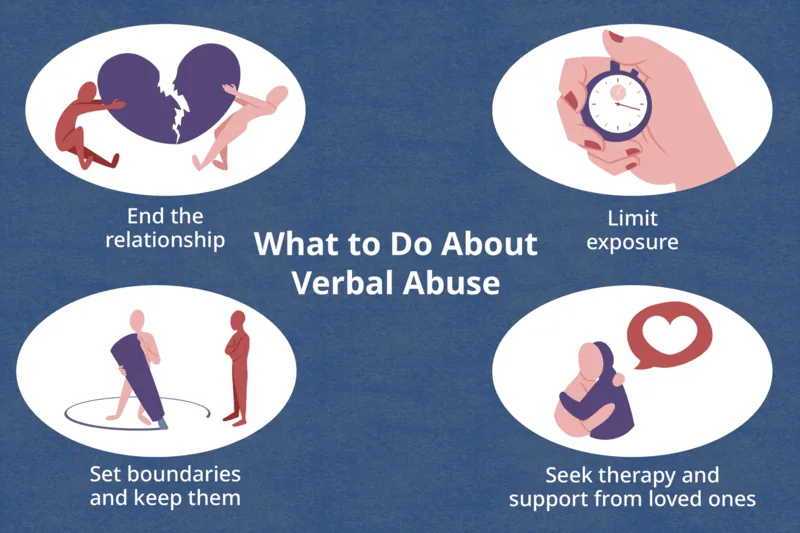
- Set Firm Boundaries: Clearly communicate what behavior is unacceptable and what the consequences will be if the boundaries are crossed. For example, “If you yell at me, I will end this conversation and leave the room.” Crucially, you must enforce these boundaries consistently.
- Limit Exposure: If possible, create distance from the abusive person. Spend more time with supportive friends and family who uplift you. This space can help you regain perspective and remember what healthy interactions feel like.
- Document Incidents: Keep a private record of abusive incidents, including dates, times, what was said, and how it made you feel. This can be helpful for recognizing patterns and, if necessary, for reporting purposes.
- Seek Support: Talk to trusted friends, family members, or a therapist. Professional help is invaluable for processing the emotional impact of abuse, rebuilding self-esteem, and developing coping strategies.
- End the Relationship (If Necessary): If the abuse is persistent and there are no signs of change, ending the relationship may be the healthiest option. Plan this carefully, ideally with support from loved ones or a professional, and consider your safety.
- Know When to Report: In professional or academic settings, document incidents and report them to HR or the appropriate authority. While not all bullying is illegal, harassment and discrimination may be.
If you are experiencing domestic violence, please reach out to the National Domestic Violence Hotline at 1-800-799-7233 for confidential support and resources. Understanding how to recognize verbal abuse is the first step toward breaking free from its damaging cycle.