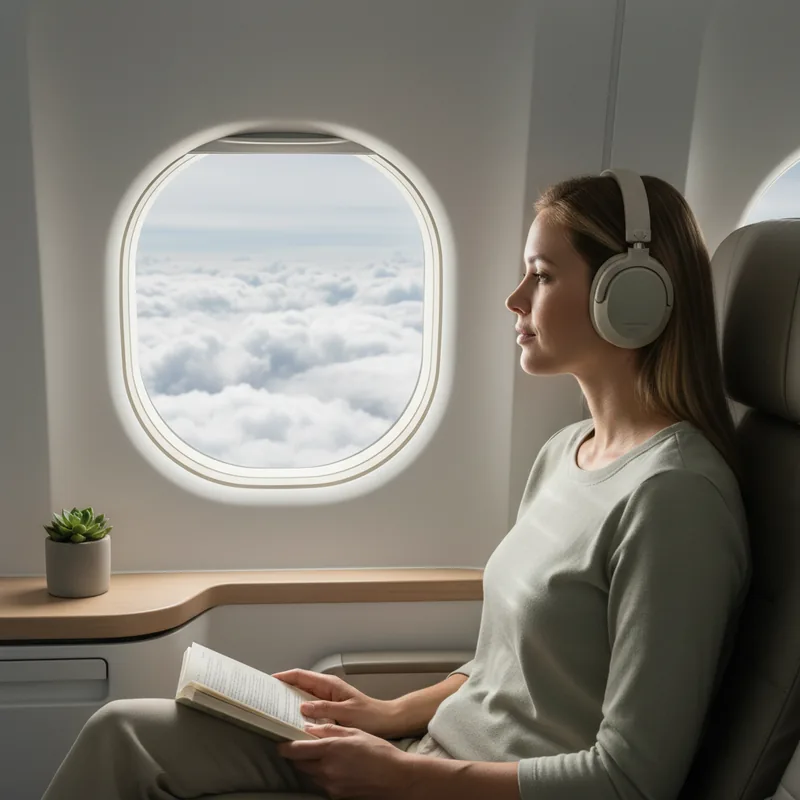
Picture this: You're seated on an airplane, the engines are humming, and a wave of intense fear begins to wash over you. For many, the thought of flying, or the experience itself, can trigger debilitating panic attacks. These sudden surges of anxiety, often lasting 5 to 20 minutes, can feel overwhelming, especially when you're thousands of feet in the air (University of Michigan Health, 2023). But it doesn't have to define your travel experience. To successfully navigate and how to control panic attacks during a flight, a combination of proactive preparation, in-the-moment coping techniques, and longer-term strategies is key. This article will guide you through practical, evidence-based methods to regain control and make your next flight a calmer journey.
Preparing for Takeoff: Proactive Measures
Effective management of in-flight panic often begins long before you step onto the plane. Planning ahead can significantly reduce anxiety and equip you with the necessary tools to maintain calm.
Medication as a Support Tool
If you're considering medication to help manage anxiety during flights, it's crucial to consult your doctor well in advance. Physicians often have busy schedules, and they may also want you to test the medication's effects before your travel date. Anti-anxiety medications, particularly benzodiazepines like Ativan (lorazepam) or Xanax (alprazolam), can offer rapid relief from acute panic symptoms, providing a tranquilizing effect that minimizes the intense physical and mental sensations of fear (Garakani et al., 2020).
Always ensure your prescribed medication is in your carry-on luggage, not checked baggage. Verify that your prescription details are current, including your name and the prescribing doctor's information. It's also wise to check the expiration date and confirm you have enough for your entire round trip, especially if it's a medication you use infrequently.
Visualizing a Peaceful Journey
Visualization is a powerful mental exercise that can reprogram your mind for a calmer flight experience. Dedicate time daily in the weeks leading up to your trip for this practice (Jallo et al., 2014).
- Find a quiet space and settle into a comfortable position, then gently close your eyes.
- Imagine the entire journey: from arriving at the airport, boarding the plane, feeling serene and relaxed as you find your seat, to a smooth takeoff and comfortable flight.
- Engage all your senses. Picture the gentle hum of the engines, the view of the clouds outside your window, and the steady, secure feeling of being in your seat.
- Practice deep, slow breathing throughout your visualization, reinforcing a state of calm.
When you're ready to conclude, reaffirm your feeling of tranquility before slowly opening your eyes. Consistent practice can significantly reduce pre-flight anxiety and help you how to control panic more effectively.
Mastering the Moment: In-Flight Coping Strategies
Even with thorough preparation, moments of anxiety can arise during a flight. Having a toolkit of in-the-moment coping strategies is essential for managing these feelings effectively.
Healthy Distractions for Your Mind
Diverting your attention away from anxious thoughts is a highly effective way to mitigate panic. Pack items that can fully engage your mind:
- Books and magazines: Immerse yourself in a compelling story or interesting article.
- Music and podcasts: Create a personalized playlist of calming tunes or an engaging podcast, such as a true-crime series or a comedy show, to draw your focus (a new example).
- Puzzles and games: Crossword puzzles, Sudoku, or even a simple mobile game can provide a mental challenge that occupies your thoughts.
- Mindful activities: Consider bringing a small adult coloring book and colored pencils, or a journal to write down your thoughts and observations (a new example).
Additionally, simple physical movements can release built-up tension. When it's safe and permitted, stand up and perform a few gentle stretches or walk the aisle a few times (Phuphanich et al., 2020). Many nervous flyers find the ambient noise of the plane triggering; noise-canceling headphones or earplugs can be invaluable for reducing these sounds and creating a more peaceful personal space. A small stress ball or a fidget toy can also provide a tactile distraction and help ground you (a new example).
Calming Through Relaxation Techniques
Practicing relaxation techniques can help you release anxiety and maintain tranquility. These strategies are most effective when learned and practiced regularly before your flight, allowing them to become second nature when you need them most.
- Deep Breathing: Techniques like box breathing, belly breathing, or 4-7-8 breathing are particularly potent for quickly inducing a relaxation response (Russo et al., 2017). Focus on slow, deep inhalations and exhalations to regulate your nervous system.
- Progressive Muscle Relaxation (PMR): This involves tensing and then relaxing different muscle groups throughout your body. Start from your toes and work your way up to your head, noticing the contrast between tension and release.
- Meditation: Short guided meditations, easily accessible through apps, can help you focus on the present moment and detach from anxious thoughts.
These exercises empower you with practical methods on how to control panic symptoms as they arise, helping you regain a sense of calm and stability.
Long-Term Resilience: Addressing Fear of Flying
For individuals with a persistent fear of flying, or those who travel frequently, addressing the root cause of anxiety can provide lasting relief and enhance overall well-being.
Fearless Flying Classes and Therapy
Specialized classes or online courses designed to combat aviophobia (fear of flying) are an excellent resource. These programs often incorporate skill development alongside cognitive-behavioral interventions, which are highly effective in challenging and changing fearful thoughts and behaviors (Carpenter et al., 2018).
Many airlines, such as British Airways with its "Flying With Confidence" program, offer courses led by clinical psychologists and flight crew members. If in-person options are unavailable, numerous reputable online courses can provide similar benefits. For personalized support, consider therapy with a specialist who can provide tailored strategies and guidance in managing this specific phobia.
Realistic Thinking and Seeking Support
Beyond personal strategies, external support and a grounded perspective are invaluable when facing in-flight anxiety.
The Power of Realistic Thoughts
Panic attacks often stem from irrational or negative thought patterns (Kertz et al., 2015). Even when fear feels overwhelming, remind yourself of the facts: thousands of flights operate safely every day. Reassure yourself that you are safe and will reach your destination. If a panic attack does occur, remind yourself that you have the tools to manage it and that the physical sensations are merely symptoms of anxiety, not indicators of actual danger. This cognitive reframing is crucial for learning how to control panic's grip.
Seeking Support on the Plane
Openly communicating your nervousness can be incredibly helpful. Informing fellow travelers about your fears can alleviate some of the pressure and anxiety about their potential reactions if you experience a panic attack (Hornstein & Eisenberger, 2017). Additionally, don't hesitate to discreetly inform flight attendants about your concerns. Pilots and cabin crew are accustomed to passengers with anxiety and are often well-prepared to offer reassurance and support, aiming to make your experience as comfortable as possible.
Conclusion
Managing panic attacks while flying is a journey that involves preparation, active coping, and a commitment to long-term strategies. By utilizing medication when appropriate, practicing visualization, engaging in healthy distractions, mastering relaxation techniques, and seeking professional help or support, you can significantly reduce the impact of anxiety. Remember that taking proactive steps and challenging negative thoughts empowers you to regain control, transforming potentially daunting flights into manageable, even calm, experiences.