If you've been striving to maintain your hard-won sobriety, you're not alone. The journey can feel like navigating a minefield, with unexpected triggers and challenges lurking around every corner. It's a testament to your strength that you're here, seeking to reinforce your commitment and build a life of lasting recovery. The good news? You don't have to do it alone, and there are proven strategies that can make all the difference. This guide offers expert insights to help you stay on track, even when the path gets tough.
Understanding Relapse and Its Prevalence
The goal of sobriety is often complete abstinence, but it’s crucial to acknowledge the reality of recovery: setbacks are common. Research indicates that relapse rates can be quite high, with figures suggesting up to 62% for alcohol use disorder in the first year and a staggering 90% over a lifetime. For opioid use disorder, these numbers can be even more pronounced (National Institute on Drug Abuse, n.d.). Recognizing this doesn't diminish your progress; it simply highlights the importance of having robust strategies in place.
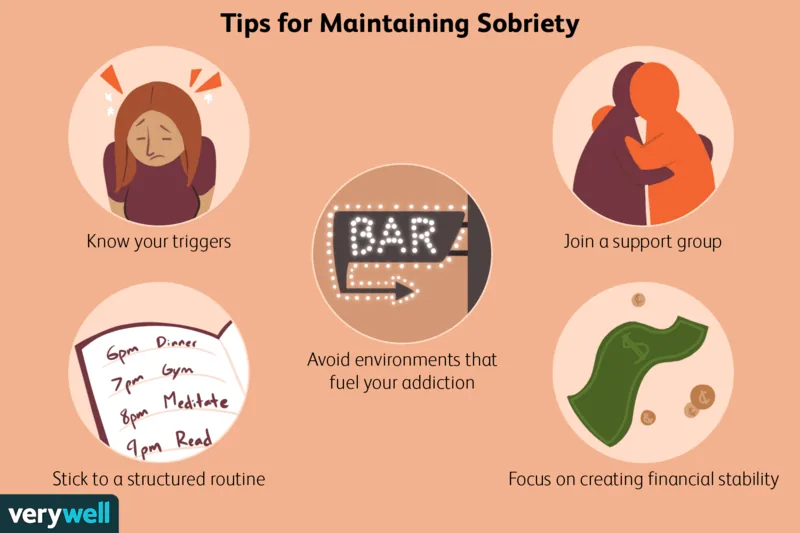
Identify Your Personal Triggers
A cornerstone of maintaining sobriety is understanding what sets off your cravings or thoughts of relapse. These are your personal triggers, and they can be both external and internal. External triggers might include specific people, places, or situations – think of an old hangout spot or a social gathering where alcohol is prevalent. Internal triggers are more about your emotional and mental state, such as stress, anxiety, or even boredom.
Common triggers often include:
- Intense stress or pressure
- Feelings of sadness, anger, or loneliness
- Being in environments associated with past substance use
- Interactions with individuals who still use substances
- Relationship difficulties
- Job instability or financial worries
Once you can pinpoint your biggest risks, you can proactively develop a plan to either avoid them or navigate them more effectively. Awareness is the first, most powerful step.
Recognize the Subtle Signs of Relapse
Relapse often doesn't happen suddenly; it's a process that begins long before someone picks up a drink or drug. It typically unfolds in three phases: emotional relapse, mental relapse, and physical relapse. Catching these signs early can be a game-changer for your recovery.
Pay attention to these warning signs:
- Returning to addictive thinking: Fantasizing about using, minimizing past harm, or thinking “just one won’t hurt.”
- Engaging in self-defeating behaviors: Increased irritability, isolation, neglecting self-care, or picking fights.
- Seeking out risky situations: Intentionally placing yourself in environments where substance use is common, or spending time with old using buddies.
- Cognitive shifts: Thinking less rationally, behaving more impulsively, or rationalizing the need to escape through substance use.
If you notice these patterns emerging, it’s a critical signal to lean more heavily on your support system and coping strategies.
Prepare for Post-Acute Withdrawal Syndrome (PAWS)
Even after the acute detox period, some individuals experience Post-Acute Withdrawal Syndrome (PAWS). These lingering symptoms can affect mood and cognitive function, manifesting as irritability, anxiety, depression, sleep disturbances, and fatigue. PAWS can last anywhere from a few months to a couple of years, depending on the individual and the substances used (National Institute on Drug Abuse, n.d.).
The key to managing PAWS is understanding that these symptoms are often temporary and a part of the healing process. Recognizing them for what they are can prevent them from becoming a barrier to recovery. If symptoms are severe or prolonged, seeking professional guidance is essential. A healthcare provider can offer strategies to manage these challenges and keep your recovery on track.
Overhauling Old Routines and Habits
Continuing your old life routines while trying to build sobriety is like trying to bail out a sinking boat with a teaspoon. If you maintain the same patterns, hang out in the same places, and surround yourself with the same people, the temptation to slip back into old behaviors is immense. Obvious changes include distancing yourself from drug dealers or drinking buddies.
But it goes deeper. You might need to alter your commute to bypass a bar you used to frequent, or even redecorate your living space to create a fresh, sober environment. Making conscious changes to your daily life signals a commitment to your new path and reduces the automatic pull of old habits.
Cultivating Healthy Relationships
Sobriety often shines a light on existing relationships, revealing which ones are supportive and which might be detrimental to your recovery. It’s not just about avoiding toxic friendships; even seemingly supportive relationships can sometimes enable unhealthy behaviors. Co-dependency or family members unintentionally enabling substance use can increase relapse risk (Brown et al., 2015).
Building new, healthy connections is vital. This means seeking out friends who uplift you, communicate openly, and respect your journey. If you find yourself struggling to connect with new people, consider joining support groups or finding sober social activities. A strong, positive support network acts as a buffer against stress and temptation.
Build a Robust Support System
Relying solely on yourself can make the recovery journey feel isolating. Actively seeking support is a sign of strength. Support groups, like Alcoholics Anonymous or Narcotics Anonymous, offer a community of people who understand the challenges of sobriety firsthand. Sharing experiences and learning from others who are walking a similar path can be incredibly empowering.
Beyond formal groups, nurturing relationships with supportive family and friends is crucial. Plan activities that don't revolve around drinking or substance use. Sometimes, the emotional and physical toll of staying sober can lead to what’s known as sobriety fatigue. Having a reliable network to lean on during these times is invaluable.
For immediate, confidential help, the Substance Abuse and Mental Health Services Administration (SAMHSA) National Helpline is available at 1-800-662-4357.
Develop a Structured Daily Schedule
A sense of chaos in your life can easily spill over into your recovery efforts. Establishing a structured routine provides a sense of control and predictability, which can be incredibly grounding. This doesn't mean a rigid, joyless existence, but rather a framework that helps you manage your time and energy effectively.
Your schedule can incorporate essential recovery activities, work, personal appointments, and time for self-care and hobbies. Having clear goals, whether short-term like arriving on time for commitments or long-term like pursuing education, can provide motivation and a sense of purpose that reinforces your sobriety. A well-organized life leaves less room for destructive impulses to take hold.
Prioritize Healthy Living and Self-Care
Substance misuse takes a significant toll on both physical and mental health. Recovery is the time to reverse that damage and invest in your well-being. Prioritizing self-care isn't selfish; it's a fundamental part of building resilience.
Key aspects of a healthy lifestyle include:
- Regular Exercise: Physical activity is a powerful mood booster and stress reliever (Brown et al., 2014). Aim for activities you enjoy, whether it's walking, dancing, or hitting the gym.
- Balanced Nutrition: Fueling your body with regular, nutritious meals supports stable energy levels and mood.
- Quality Sleep: Establishing a consistent sleep schedule is crucial for physical and mental restoration.
- Relaxation Techniques: Practices like mindfulness meditation, deep breathing exercises, or yoga can help manage stress and promote a sense of calm.
- Engaging Hobbies: Rediscovering old passions or exploring new interests provides healthy outlets for your time and energy. For example, taking up pottery or learning a musical instrument can offer a fulfilling sense of accomplishment.
Managing Your Finances Responsibly
Financial instability is a significant stressor and a common trigger for relapse. Many individuals in recovery face challenges with employment and money management due to past addiction. Rebuilding financial health is a gradual process.
Start by taking small, manageable steps. Consider seeking help from a vocational counselor to update your resume or practice interview skills. Once employed, creating a realistic budget is essential. Safeguard your recovery by setting clear boundaries, such as avoiding work situations that are excessively stressful or trigger cravings. Perhaps setting up automatic bill payments can reduce the daily worry associated with managing money.
Learning to Manage Anger and Difficult Emotions
Anger is a natural human emotion, but for many struggling with substance use, healthy coping mechanisms for it were never developed. Unchecked anger can negatively impact your health and jeopardize your sobriety. Learning to manage this emotion constructively is vital.
Talk to your therapist, sponsor, or a trusted support person about how you're feeling. Explore techniques like journaling, physical activity, or assertiveness training to express anger in a way that doesn't harm yourself or others. Remember, the goal isn't to eliminate anger, but to respond to it in a way that aligns with your recovery values.
Addressing Past Mistakes and Guilt
It's natural to feel guilt or shame about actions taken during active addiction. Guilt stems from negative feelings about past behavior, while shame involves negative beliefs about oneself (Dearing et al., 2005). While acknowledging past wrongs is healthy, excessive guilt or shame can become toxic and hinder recovery.
The key is to learn from these experiences without letting them define you. Making amends, where appropriate and safe, can be a powerful part of healing. Focus on the lessons learned and how you can live more responsibly moving forward. This process of self-forgiveness and growth is essential for lasting sobriety.
Finding Balance and Avoiding Transfer Addictions
A common pitfall in early recovery is substituting one compulsive behavior for another. While adopting new healthy habits like a strict diet, intense exercise regimen, or even overcommitting to support groups might seem positive, they can become a form of transfer addiction if pursued compulsively (Sussman & Black, 2008).
The aim is balance. It's about integrating healthy activities into your life in a sustainable way, rather than replacing one obsession with another. Recognize that you have choices and the power to maintain control. If any area of your life feels out of control, it’s a signal to reassess and adjust to protect your sobriety.
Celebrate Milestones and Progress
Acknowledging and celebrating your achievements, big or small, is a powerful motivator. In many 12-step programs, milestones are marked with tangible symbols, like chips or coins, signifying periods of sobriety. These acknowledgments serve as reminders of the hard work you’ve put in and the progress you’ve made.
When celebrating, choose rewards that align with your healthy lifestyle. Opt for experiences like a weekend getaway, a new hobby kit, or a special meal with supportive loved ones, rather than anything that could jeopardize your recovery. Celebrating reinforces the positive changes you're making and fuels your commitment to continue.
What Is Sobriety, Anyway?
At its core, sobriety means not being under the influence of alcohol or drugs. However, the term often carries deeper meaning. For many in 12-step programs, it signifies total, lifelong abstinence. Others view sobriety more broadly as a continuous process of recovery, focusing on developing healthy coping mechanisms and a lifestyle that supports overall well-being over the long term.
Regardless of the specific definition, the journey involves a commitment to personal growth, resilience, and a life lived with intention and purpose. The strategies outlined here provide a roadmap for navigating this path successfully.