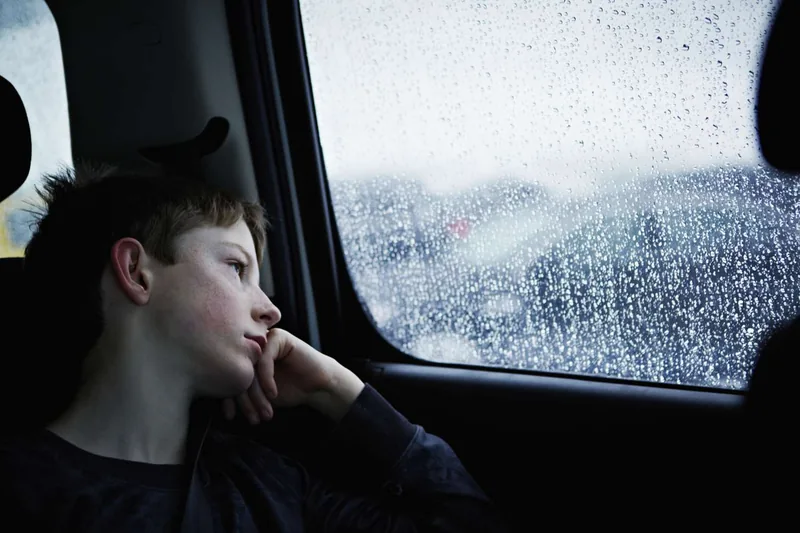
Imagine a child's quiet plea for attention echoing in an empty room, unheard. This isn't a scene from a drama; it's the reality for many children growing up with uninvolved parents. While not always intentional, this parenting style, characterized by a profound lack of emotional responsiveness and minimal demands, can cast a long shadow over a child's development, impacting their self-esteem, social skills, and future relationships. Understanding how uninvolved parenting can affect a child is the first step toward breaking these cycles.
What Is Uninvolved Parenting?
Uninvolved parenting, often referred to as neglectful parenting, is a style where parents are detached and unresponsive to their children's needs. These parents typically exhibit low demandingness and low responsiveness, meaning they set few rules, offer little guidance, and provide minimal emotional support or affection. It's a stark contrast to the more overt styles like authoritarian or permissive parenting, often flying under the radar because it involves a lack of active engagement rather than direct intervention.
The concept was expanded upon by developmental psychologist Diana Baumrind's foundational work in the 1960s, which identified three primary parenting styles. Researchers later added the uninvolved style, recognizing its distinct and often damaging impact. This detachment can significantly hinder a child's ability to develop healthy emotional regulation, build secure attachments, and navigate social situations effectively.
Key Characteristics
At its core, uninvolved parenting operates on two dimensions: parental responsiveness and parental demandingness, both of which are critically low. Parents exhibiting this style offer little warmth, affection, or encouragement. They are emotionally distant, often because they are overwhelmed by their own personal struggles, which can include mental health issues, substance abuse, or simply the pressures of a demanding life (Hoffmann & Bahr, 2014).
Common patterns include:
- Limited interaction due to parental preoccupation.
- A lack of supervision, leaving children to fend for themselves.
- Few, if any, expectations or rules regarding behavior.
- Minimal emotional investment, showing little warmth or love.
- Absence from important school events like parent-teacher conferences.
It's crucial to distinguish uninvolved parenting from free-range parenting. While free-range parents intentionally grant children independence and allow them to learn from natural consequences, they remain loving and attentive. Similarly, a busy parent working long hours isn't necessarily uninvolved if they prioritize quality time with their children and ensure their basic needs are met when they cannot be present. The intent and emotional availability are key differentiators.
Examples in Practice
The degree of uninvolved parenting can vary, but the common thread is a general indifference to the child's emotional and developmental needs. While basic physical needs like food and shelter might be met, the emotional landscape is often barren.
Consider these scenarios:
- A child excitedly shares a drawing they made at school, only to be met with a distracted nod or a quick dismissal as the parent scrolls through their phone.
- A teenager comes home late, not because they were out with friends, but because they were simply unsure when to return, with no curfew or check-ins established by their parents.
- A child is struggling with homework, feeling frustrated and overwhelmed, but their parent is unavailable or uninterested, leaving the child to navigate the challenge alone.
Some parents may set minimal boundaries, like a basic curfew, while others can be outright neglectful, providing only the barest necessities for survival without any guidance or affection. This lack of engagement leaves children feeling invisible and unsupported.
Understanding the Causes
Uninvolved parenting is seldom a conscious choice to harm a child; more often, it stems from the parents' own life circumstances and experiences (Kuppens & Ceulemans, 2019). Parents who grew up in neglectful or emotionally distant homes may unconsciously replicate these patterns in their own parenting. The cycle of uninvolved parenting can be difficult to break without awareness and intervention.
Additionally, overwhelming stress from work, financial difficulties, mental health struggles like depression, or substance abuse can consume a parent's energy and focus, leaving little capacity for active parenting. In such cases, parents may not even realize the extent of their detachment or may feel incapable of providing the emotional support their children need.
The Lasting Impact on Children
The consequences of uninvolved parenting are significant and far-reaching, affecting a child's cognitive, emotional, and social development (Hoskins, 2014). Children raised in such environments often struggle with:
- Low Self-Esteem: Without consistent validation and encouragement, children may develop a poor sense of self-worth and question their own value.
- Social Skill Deficits: Lacking guidance on social cues and emotional expression, they may find it difficult to form healthy relationships, often appearing withdrawn or struggling to connect with peers.
- Attachment Issues: The absence of emotional responsiveness can impair a child's ability to form secure attachments later in life, leading to fear of dependency or difficulty trusting others.
- Behavioral Problems: A lack of clear boundaries and consistent discipline can result in difficulties with authority and an increased likelihood of delinquency during adolescence.
- Increased Risk of Substance Abuse: Some research suggests a correlation between uninvolved parenting and a higher risk of substance abuse as a coping mechanism (Hoffmann & Bahr, 2014).
- Anxiety and Stress: The absence of a secure base and consistent support can leave children feeling anxious and insecure, constantly needing to provide for their own emotional needs.
These children often have to grow up too fast, taking on responsibilities prematurely and missing out on crucial aspects of childhood development.
Moving Forward: Coping and Healing
If you recognize yourself as an uninvolved parent, or if you were raised by one, know that change and healing are possible. Acknowledging the pattern is the most crucial first step.
For parents seeking to change their approach:
- Educate Yourself: Seek out resources on effective parenting strategies, child development, and building secure attachments. Books, reputable websites, and parenting workshops can provide invaluable insights.
- Seek Professional Support: Therapy can be incredibly beneficial. A mental health professional can help you understand the roots of your parenting style, develop new skills, and foster healthier bonds with your children. Family therapy can be particularly effective in improving communication and responsiveness within the family unit.
- Prioritize Connection: Make a conscious effort to spend quality, focused time with your children. Listen actively, show genuine interest in their lives, and express your love and support regularly. Even small, consistent efforts can make a significant difference.
If you are coping with the effects of being raised by uninvolved parents, the process involves reparenting yourself. This means consciously providing yourself with the love, support, and validation you may have missed. Developing healthy attachments with supportive friends, partners, or mentors, and engaging in self-compassion practices can aid in healing. Speaking with a therapist can also provide tools and support for processing past experiences and building a more secure future.