In an era defined by relentless schedules and constant demands, the simple act of pursuing a hobby might seem like an indulgence. Yet, for those navigating busy, stressful lives, understanding why are hobbies important for stress relief is more critical than ever. Hobbies are far from mere pastimes; they are essential tools for mental and physical well-being, offering a vital escape and a structured way to recharge amidst life's pressures.
These dedicated activities provide significant stress-relieving benefits, making them invaluable investments of time and energy. From lowering blood pressure to fostering social connections and preventing burnout, the health benefits of hobbies are extensive and scientifically supported. They offer a unique blend of psychological and physical advantages that contribute to a more balanced and fulfilling life.
The Science of Serenity: How Hobbies Impact Health
The profound impact of hobbies on our health is well-documented. Engaging in enjoyable leisure activities has been linked to a range of positive physiological and psychological outcomes. Research indicates that individuals who participate in physical leisure activities for at least 20 minutes weekly report less fatigue (Eriksen & Bruusgaard, 2004). Moreover, studies reveal that pleasurable activities undertaken during leisure time correlate with lower blood pressure, reduced cortisol levels, and improved perceptions of physical function (Pressman et al., 2009).
These activities also foster higher levels of positive psychosocial states while diminishing feelings of depression and negative affect. Essentially, hobbies serve as a natural antidote to the daily grind, actively contributing to both our physical resilience and emotional equilibrium.
A Purposeful Pause for Overwhelmed Minds
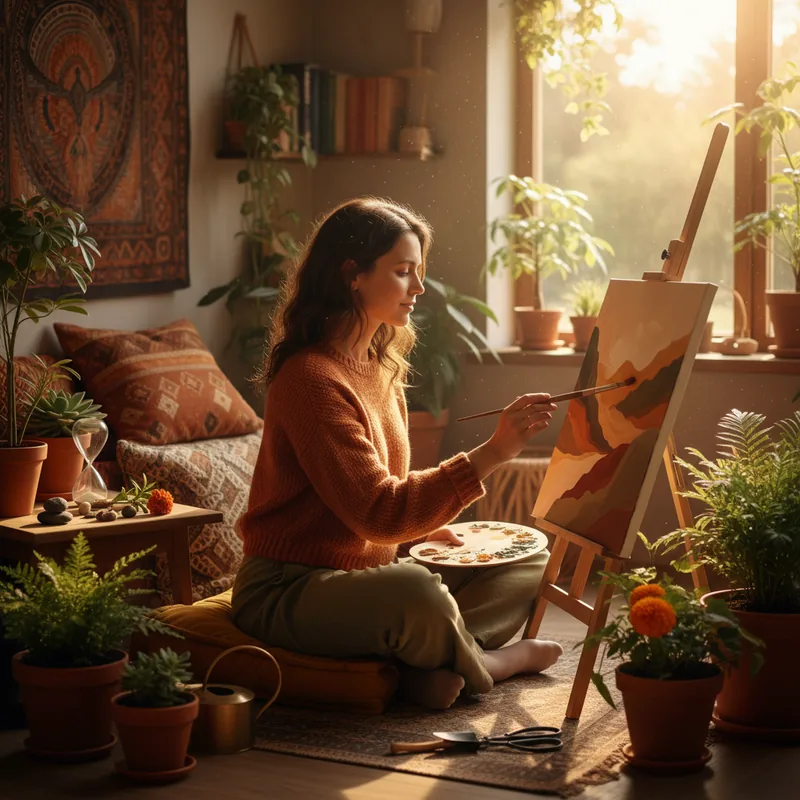
One of the most immediate benefits of hobbies is the dedicated break they provide from responsibilities. For those feeling overwhelmed by an endless to-do list, finding time to simply relax can feel unproductive. Hobbies offer a 'break with a purpose,' allowing individuals to step away from their obligations without feeling like they are wasting precious time. Whether it's tending a garden, learning a new language, or diving into a complex puzzle, these activities offer a structured escape that rejuvenates the mind.
This purposeful pause is particularly beneficial for high-achievers who struggle to justify downtime. It reframes relaxation as an active, beneficial pursuit rather than a passive indulgence, making it easier to integrate into a demanding schedule.
Embracing Eustress: The Healthy Challenge
Not all stress is detrimental; some forms are actually beneficial. For those who might feel under-stimulated or find their daily routines lacking excitement, hobbies introduce 'eustress'--the healthy kind of stress that keeps us engaged and motivated. This positive challenge can inject meaning into an otherwise dull schedule, offering just the right amount of intellectual or physical engagement without feeling like work.
For example, mastering a new chord on a guitar or successfully baking an intricate cake provides a sense of accomplishment and healthy stimulation. This engagement is a key reason why are hobbies important for maintaining a vibrant and excited approach to life.
Beyond the Individual: Hobbies for Connection and Growth
The benefits of hobbies extend beyond personal well-being, fostering vital social connections and promoting deep personal fulfillment. Many hobbies naturally lend themselves to group activities, such as book clubs, hiking groups, or community art classes. These shared interests create opportunities for meaningful interaction and support.
Such social engagement is a powerful stress reliever, adding layers of meaning and enjoyment to life. Shared experiences and mutual encouragement can forge strong bonds, reinforcing why group hobbies are a valuable investment of time for emotional health.
The Joy of Positive Pleasures
Positive psychology highlights the importance of 'pleasures'--activities that bring immediate fun and joy into our lives. Hobbies are a direct pipeline to these positive pleasures, offering moments of pure enjoyment and present-moment awareness. The simple delight derived from a favorite activity can significantly lift one's mood and contribute to an overall sense of happiness.
Whether it's the thrill of discovering a new hiking trail or the satisfaction of completing a challenging craft project, these moments of pleasure are crucial for emotional uplift and maintaining a positive outlook.
Finding Flow Through Gratifications
Beyond simple pleasures, positive psychology also emphasizes 'gratifications'--activities that challenge us to utilize our skills and engage us deeply, often leading to a state of 'flow.' In this near-meditative state, individuals become so absorbed in what they are doing that they lose track of time, feeling completely removed from daily stressors (Peterson, 2006).
Gratifications, which many hobbies provide, offer an opportunity for full engagement, leading to reduced stress and an enhanced sense of well-being. This immersive experience is a profound reason why are hobbies important for cultivating lasting happiness and peace.
Your Shield Against Burnout: Hobbies as Resilience
In today's demanding work environments, burnout is an increasing concern. Hobbies serve as a critical buffer, injecting a sense of fun and freedom that minimizes the impact of chronic stress. For those in high-pressure jobs, hobbies act as an essential outlet, providing something positive to anticipate at the end of a challenging day.
This proactive approach to stress management is a core reason why are hobbies important for long-term career sustainability and personal health.
Recovering from the Daily Grind
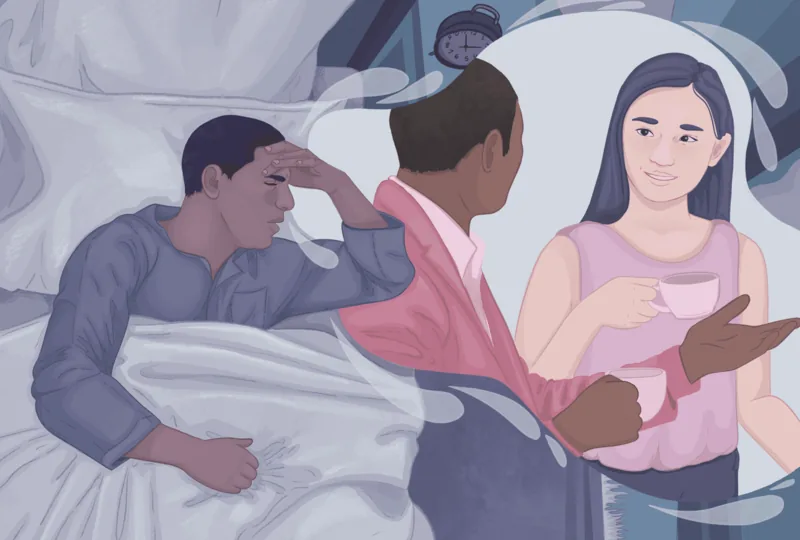
Research suggests that individuals in jobs prone to burnout--characterized by low control and high demand--experience less need to 'recover' from their day at bedtime if they engage in more physical or social leisure activities (Sonnentag, 2006). Conversely, those who felt a strong need for bedtime recovery were more susceptible to negative health outcomes, including psychosomatic complaints and persistent fatigue.
This evidence underscores the role of hobbies in mitigating the detrimental effects of stressful occupations. By providing a restorative outlet, hobbies help individuals bounce back from daily pressures, fostering resilience and protecting against the cumulative toll of stress (Mayo Clinic, 2023).
Ultimately, hobbies are not a luxury but a necessity for modern living. They offer a multifaceted approach to stress relief, enhancing physical health, fostering mental well-being, building social connections, and acting as a powerful defense against burnout. Embracing a hobby, or several, is a conscious choice to invest in a healthier, happier, and more balanced life.