In a world that never truly sleeps, achieving consistent, high-quality rest can feel like a luxurious rarity. Yet, the foundation of optimal physical and mental well-being lies in our nightly slumber. This is where the concept of sleep hygiene becomes paramount. So, what sleep hygiene truly is? Simply put, it encompasses the array of healthy habits and practices you adopt to improve your ability to fall asleep easily and maintain deep, restorative sleep throughout the night. Establishing and consistently practicing good sleep hygiene profoundly impacts both the duration and quality of your sleep, playing a critical role in your overall health as we navigate the demands of 2025.
1. The Essence of Sleep Hygiene: A 2025 Perspective
What sleep hygiene means in today’s fast-paced digital age is more critical than ever. It’s not just about going to bed early; it’s a holistic approach to your daily routine and environment designed to promote restful sleep. Good sleep hygiene involves a combination of behavioral and environmental practices that, when consistently applied, can significantly enhance your body’s natural sleep-wake cycle, known as the circadian rhythm. This includes everything from your pre-sleep rituals to your daytime activities and dietary choices.
In 2025, with increasing screen time and constant connectivity, cultivating effective sleep hygiene demands conscious effort. It’s about creating a personal sanctuary and routine that signals to your body and mind that it’s time to wind down. This might involve setting digital boundaries, optimizing your bedroom for comfort, and understanding how your daily habits influence your nightly rest. By prioritizing these healthy sleep habits, you’re investing in a powerful tool for stress reduction, improved cognitive function, and enhanced mood, ensuring you wake up refreshed and ready to tackle the challenges of modern life. Understanding what sleep hygiene entails is the first step toward achieving consistent, high-quality sleep every night.
2. The Profound Impact of Healthy Sleep Habits
The quality and consistency of your sleep hygiene directly correlate with your overall health. While occasional restless nights are normal, chronic poor sleep hygiene can lead to significant short-term and long-term health consequences. In the short term, sleep disruption can manifest as increased stress levels, reduced quality of life, emotional distress, and mood swings (Harvard, 2024). You might also experience cognitive impairments, memory deficits, and a noticeable drop in performance during daily tasks. These immediate effects can quickly impact your productivity and general well-being.
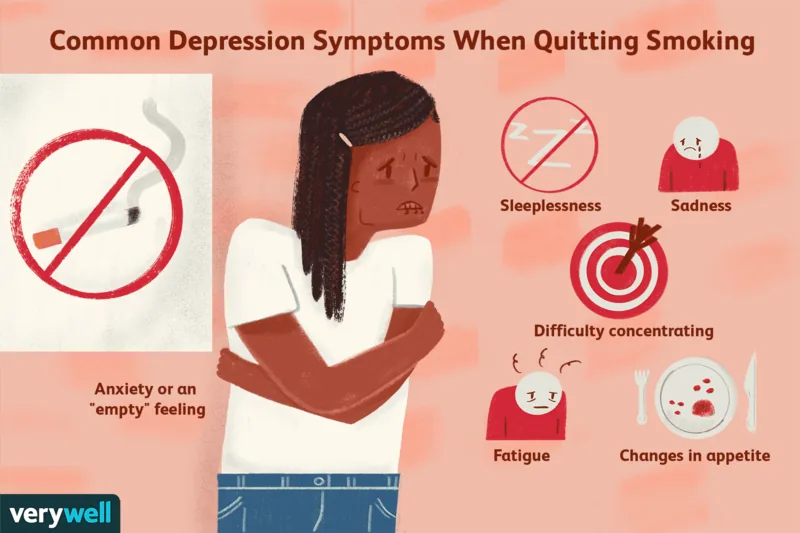
Looking at the bigger picture, when sleep disruption becomes a persistent issue, the implications can be severe. Healthy adults may face an elevated risk of hypertension, cardiovascular disease, and dyslipidemia. Weight-related issues, type 2 diabetes mellitus, and various gastrointestinal disorders are also linked to prolonged periods of insufficient sleep (Harvard, 2024). Beyond physical ailments, there’s a strong, reciprocal link between mental health and sleep. Conditions like depression and anxiety often coincide with sleep disturbances, creating a challenging cycle where poor sleep exacerbates mental health issues, and vice versa. Even everyday stress, amplified by the demands of 2025, can severely disrupt your sleep routine, leading to higher incidences of lying awake at night. Prioritizing robust sleep hygiene is therefore not just about comfort, but a fundamental pillar of preventative health.
3. Recognizing Potential Sleep Disorders and When to Seek Help
While improving your sleep hygiene can dramatically enhance your rest, it’s also important to acknowledge that sometimes underlying medical conditions might be at play. If you’ve been diligently practicing good sleep hygiene habits for an extended period but still struggle with persistent sleep issues, it might be time to consider if you’re dealing with a sleep disorder. Common sleep disorders include obstructive sleep apnea, where breathing repeatedly stops and starts during sleep; central sleep apnea, similar but caused by a lack of signals from the brain; insomnia, characterized by difficulty falling or staying asleep; hypersomnia, excessive daytime sleepiness; and REM sleep behavior disorder, where you act out vivid dreams.
Identifying a potential sleep disorder often begins with self-assessment. Tools like online sleep quizzes can offer initial insights, helping you determine if your symptoms align with common sleep disorder profiles. However, these are not diagnostic. If you consistently experience symptoms such as loud snoring, daytime fatigue even after a full night’s rest, difficulty concentrating, restless legs, or frequent awakenings, consulting a healthcare professional is crucial. They can evaluate your symptoms, medical history, and potentially recommend a sleep study. A sleep study, conducted in a lab or even at home, monitors various bodily functions during sleep to pinpoint specific disruptions, paving the way for an accurate diagnosis and effective treatment plan. Early intervention is key to preventing long-term health complications associated with untreated sleep disorders.
4. Proven Strategies for Cultivating Excellent Sleep Hygiene
Embarking on the journey to better sleep doesn’t require drastic overnight changes; it’s a gradual process built on consistent lifestyle adjustments. Cultivating excellent sleep hygiene involves a holistic approach that integrates mindful practices into your daily routine. The path to improved sleep quality begins with foundational habits that regulate your body’s internal clock and prepare your mind and body for rest. These strategies are designed to create an environment and routine conducive to deep, restorative sleep, helping you navigate the sleep challenges of 2025 with greater ease.
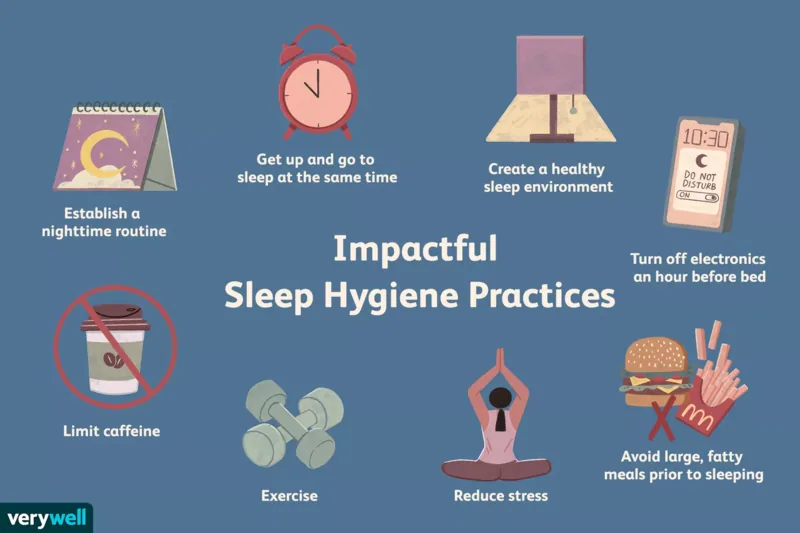
One of the most impactful strategies is establishing a consistent sleep schedule. This means going to bed and waking up around the same time every single day, even on weekends (Harvard, 2024). Consistency helps to synchronize your circadian rhythm, making it easier to fall asleep and wake up naturally. Another key component is developing a relaxing nightly routine that signals to your body that it’s time to wind down. This could include activities like reading a physical book, taking a warm bath, or practicing gentle stretches. Furthermore, optimizing your sleep environment by controlling light, temperature, and noise is crucial for uninterrupted rest. Limiting stimulants like caffeine and heavy meals before bed, alongside incorporating regular physical activity earlier in the day, also plays a significant role in enhancing your sleep quality. By implementing these proven strategies, you can actively improve your sleep hygiene and experience the profound benefits of consistent, quality rest.
5. Optimizing Your Sleep Environment for Deeper Rest
Creating an optimal sleep environment is a cornerstone of effective sleep hygiene. Your bedroom should be a sanctuary dedicated to rest, free from distractions and perfectly tuned to support your body’s natural sleep processes. The ideal sleep environment goes beyond just a comfortable bed; it encompasses light, temperature, and sound, all working in harmony to promote profound and uninterrupted sleep. As we advance through 2025, leveraging smart home technology can further enhance this optimization, allowing for automated control over various environmental factors.
Firstly, aim for darkness. Even small amounts of light can disrupt melatonin production, the hormone essential for sleep. Turn off or dim all lights in your room, use blackout curtains to block external light, and consider an eye mask for complete darkness. Secondly, temperature is critical. The suggested bedroom temperature range for optimal sleep is between 60 to 67 degrees Fahrenheit (Harvard, 2024). A cooler environment helps your body’s core temperature drop, a necessary step for initiating sleep. Lastly, address electronics. The blue light emitted from screens (phones, tablets, TVs, laptops) can suppress melatonin and stimulate your brain, making it harder to fall asleep. Commit to turning off all electronics at least 60 minutes before bedtime. Instead, opt for a calming activity like listening to a soothing podcast or journaling. A quiet environment is also essential; consider earplugs or a white noise machine if your surroundings are noisy. These deliberate adjustments to your sleep space can dramatically improve your ability to fall asleep faster and stay asleep longer.
6. Dietary and Lifestyle Adjustments for Enhanced Sleep
Beyond your bedroom setup, what you consume and how you move throughout the day significantly influence your sleep hygiene. Making conscious choices regarding your diet and daily activities can be powerful tools in your quest for better sleep. The goal is to avoid substances and behaviors that disrupt your body’s natural sleep-wake cycle while embracing those that promote relaxation and readiness for rest. These adjustments are particularly relevant in 2025, where dietary trends and sedentary lifestyles can easily impact sleep patterns.
Consider your food and drink intake before bed. Optimal sleep begins with a stomach that is neither too full nor too empty. Avoid large, heavy meals, especially those high in fat, close to bedtime, as they can cause digestive discomfort and have been associated with sleep disorders (Harvard, 2024). Instead, if you’re hungry, opt for a light, easily digestible snack like a banana or a small bowl of oatmeal. Limiting caffeine intake is another crucial step. Consuming this stimulant too close to when you want to drift off to sleep can severely impede your ability to fall and stay asleep. Aim to finish all caffeinated beverages like coffee, tea, or soda earlier in the day, as caffeine consumed even six hours before bedtime can still disrupt sleep (Harvard, 2024). Furthermore, regular physical activity is a proven sleep enhancer, improving both sleep quantity and quality. While daily exercise is beneficial, be mindful of vigorous activity too close to bedtime. Moderate-intensity exercises like a brisk walk, gentle yoga, or low-impact swimming can be performed closer to bedtime (within 60-90 minutes) without adverse effects, but save intense workouts for earlier in the day.
7. When to Consult a Professional for Sleep Concerns
While implementing robust sleep hygiene practices can significantly improve your sleep, there are instances where professional intervention becomes necessary. If you’ve diligently followed healthy sleep habits for an extended period—say, several weeks to a few months—and still find yourself struggling with persistent sleep disturbances, it’s a clear signal to seek expert help. Your primary care physician is an excellent first point of contact to discuss ongoing sleep-related problems. They can assess your overall health, rule out any obvious medical conditions contributing to your sleep issues, and help you develop a personalized sleep hygiene protocol.
Your doctor may also refer you to a sleep specialist or recommend a sleep study. A sleep study is a diagnostic tool that monitors various physiological functions during sleep, such as brain activity, eye movements, heart rate, breathing patterns, and oxygen levels. This comprehensive assessment can accurately identify underlying sleep disorders like obstructive sleep apnea, central sleep apnea, insomnia, hypersomnia, or REM sleep behavior disorder, which require specific medical treatments beyond just lifestyle changes. Moreover, if mental health issues such as depression, anxiety, or chronic stress are impacting your sleep, consulting a psychologist, therapist, or psychiatrist is highly recommended. These mental health experts can provide strategies to manage these conditions, which in turn can lead to significant improvements in your sleep quality. Addressing both the physical and psychological aspects of sleep is crucial for achieving lasting, restorative rest.