It's 3 AM. The digital clock glows mockingly, each passing minute stretching into an eternity. Your body aches, a restless energy buzzes beneath your skin, and a cold sweat slicks your forehead. Sleep feels like a distant memory, replaced by a gnawing anxiety and an overwhelming sense of unease. If this sounds like your reality, you might be experiencing tramadol withdrawal, and understanding how long does withdrawal from this medication can last is the first step toward regaining control.
Tramadol, often perceived as a milder opioid, can still lead to physical dependence and uncomfortable withdrawal symptoms when stopped abruptly. While typically less severe than with stronger opioids, the experience can be distressing, impacting sleep, mood, and physical comfort. The good news is that with the right knowledge and support, navigating this period is manageable. Understanding the typical timeline and available coping strategies is crucial for a smoother recovery.
Understanding Tramadol Withdrawal
Tramadol is a synthetic pain reliever that acts on opioid receptors in the brain. However, it also affects other neurotransmitters, notably serotonin. This dual action means that withdrawal symptoms can sometimes resemble those of both opioid and antidepressant discontinuation.
The increasing prevalence of tramadol prescriptions has, in turn, led to a rise in reported cases of dependence and withdrawal. While it's often prescribed as a safer alternative to more potent opioids, physical dependence can develop even when taking it as directed. This dependence means your body has become accustomed to the drug's presence, and its sudden absence triggers a cascade of withdrawal symptoms.
How Tramadol Withdrawal Works
When you regularly take tramadol, your brain and body adjust to its chemical influence. Neurotransmitters, the chemical messengers in your brain, adapt to the consistent presence of tramadol. When you suddenly stop taking the medication or significantly reduce your dose, these systems are thrown out of balance. Your brain tries to compensate for the missing drug, leading to the physical and psychological symptoms of withdrawal.
Because tramadol influences both opioid receptors and serotonin pathways, the withdrawal experience can be multifaceted. This is why, in addition to typical opioid withdrawal symptoms like nausea and body aches, you might also experience mood disturbances, anxiety, or insomnia, which are more commonly associated with antidepressant withdrawal.
The Timeline of Tramadol Withdrawal
So, how long does withdrawal from tramadol typically last? While individual experiences vary significantly, there's a general pattern to the withdrawal timeline.
Onset: Withdrawal symptoms usually begin within one to two days after your last dose of tramadol.
Peak: The most intense symptoms typically occur around day three of withdrawal.
Duration: For most healthy adults, acute withdrawal symptoms can subside within one to two weeks. However, some lingering symptoms like mood changes or sleep disturbances might persist longer.
It's crucial to remember that this is a general guideline. Factors influencing how long does withdrawal symptoms persist include:
- Duration and dosage of use: Longer use or higher doses can lead to more prolonged withdrawal.
- Individual physiology: Your unique metabolism, genetics, and overall health play a significant role.
- Mental health: Pre-existing anxiety or depression can influence the intensity and duration of psychological symptoms.
- Concurrent substance use: Using other substances can complicate the withdrawal process.
Common Tramadol Withdrawal Symptoms
The symptoms of tramadol withdrawal can feel like a severe bout of the flu, but they often extend beyond physical discomfort to include significant psychological distress. These symptoms can manifest in various ways:
- Physical Symptoms:
- Abdominal cramps and diarrhea
- Nausea and vomiting
- Muscle and joint pain
- Sweating and chills
- Goosebumps
- Restless leg syndrome
- Runny nose, sneezing, coughing
- Increased heart rate and blood pressure
- Rapid breathing
- Psychological Symptoms:
- Anxiety and panic attacks
- Irritability and agitation
- Insomnia and sleep disturbances
- Depression and mood swings
- Confusion or delirium (less common, but serious)
- Paranoia
Imagine Sarah, who took tramadol for chronic back pain for over a year. When she tried to stop, she experienced intense insomnia, vivid nightmares, and waves of anxiety that made her feel like she was losing control. Her physical symptoms included severe nausea and a constant feeling of restlessness, making it impossible to sit still. Her withdrawal lasted about ten days, with the peak intensity hitting around day four.
Another example is Mark, who used tramadol intermittently for migraines. When he stopped after a particularly bad spell, he experienced flu-like symptoms and a strong craving for the drug, but his psychological symptoms were less pronounced. His withdrawal was shorter, with acute symptoms lasting about a week.
Factors Influencing Withdrawal Severity
The intensity and duration of tramadol withdrawal aren't uniform. Several factors can make the experience more challenging:
- Higher Doses and Longer Duration: The more tramadol you've taken and the longer you've been on it, the more significant your dependence is likely to be, leading to more severe withdrawal.
- Abrupt Cessation: Stopping tramadol cold turkey almost always results in more intense withdrawal symptoms compared to a gradual taper.
- Polysubstance Use: Combining tramadol with alcohol, benzodiazepines, or other opioids can significantly complicate withdrawal, increasing risks and prolonging symptoms. For instance, someone using tramadol with benzodiazepines might face a higher risk of seizures during withdrawal.
- Underlying Health Conditions: Pre-existing mental health issues like anxiety disorders or depression can be exacerbated during withdrawal. Physical health issues can also impact your body's ability to cope.
- Age: Older adults may metabolize tramadol more slowly, potentially leading to more potent effects and a more severe withdrawal experience.
Consider David, who, in addition to tramadol for knee pain, was also taking prescribed lorazepam for anxiety. When he decided to stop tramadol, his withdrawal was complicated by the potential for benzodiazepine withdrawal symptoms as well, leading to heightened anxiety, tremors, and a longer recovery period.
Strategies for Coping with Tramadol Withdrawal
Navigating tramadol withdrawal requires a proactive approach, prioritizing safety and comfort. The most effective strategies involve medical guidance and self-care.
Gradual Tapering: The Safest Route
The cornerstone of minimizing withdrawal symptoms is a gradual tapering schedule. This involves slowly reducing your tramadol dose over a period of weeks, allowing your body to adjust incrementally. There's no one-size-fits-all taper plan; it's highly individualized and should be developed with your doctor.
A doctor can help you create a schedule that reduces your dose slowly enough to prevent severe symptoms, while also monitoring your progress and adjusting the plan as needed. This medical supervision is vital for ensuring safety and managing any emerging complications.
Medical Interventions and Support
While tapering is key, certain medications can help manage specific withdrawal symptoms under medical supervision:
- For Anxiety and Agitation: Medications like benzodiazepines (e.g., clonazepam, lorazepam) are sometimes prescribed for short-term relief of severe anxiety or agitation. However, they carry their own risks and should be used cautiously and only as directed by a physician.
- For Physical Discomfort: Non-opioid pain relievers can help manage muscle aches and pains.
- Off-Label Medications: Drugs like clonidine, typically used for blood pressure, have shown some success in alleviating opioid withdrawal symptoms, including those from tramadol, by helping to manage autonomic symptoms like sweating and rapid heart rate.
It's essential to discuss all potential medications with your healthcare provider to ensure they are appropriate for your situation and won't interact negatively with other conditions or substances.
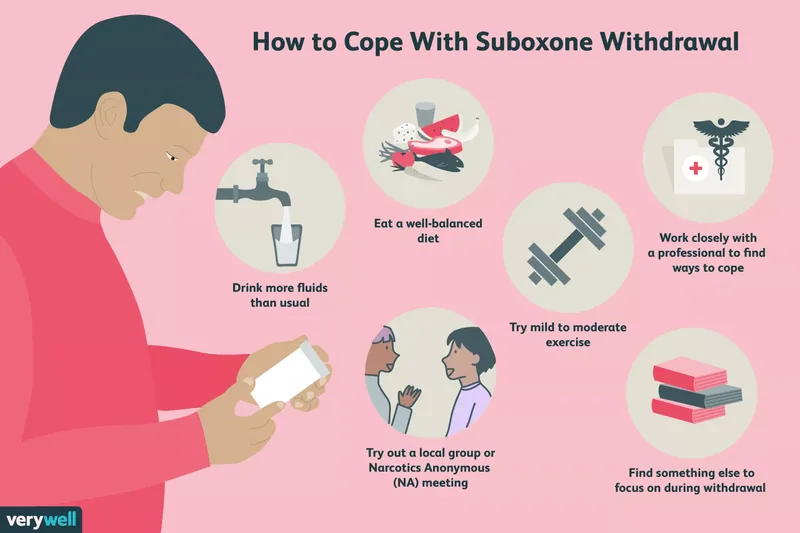
Self-Care and Lifestyle Adjustments
Beyond medical support, several self-care practices can significantly ease the withdrawal process:
- Hydration and Nutrition: Drink plenty of water and focus on nutritious, easily digestible foods.
- Rest: Prioritize sleep as much as possible, even if it's challenging. Create a relaxing bedtime routine and ensure your sleep environment is conducive to rest.
- Gentle Exercise: Light physical activity, like walking, can help combat restlessness and improve mood.
- Mindfulness and Relaxation Techniques: Practices such as deep breathing exercises, meditation, or gentle yoga can help manage anxiety and promote a sense of calm.
- Support Systems: Lean on trusted friends, family members, or support groups. Sharing your experience can reduce feelings of isolation and provide encouragement.
Potential Complications and Warnings
While tramadol withdrawal is often manageable, certain situations increase the risk of complications. Awareness of these potential issues is crucial for seeking timely medical attention.
Increased Seizure Risk
Tramadol can lower the seizure threshold, meaning it makes seizures more likely to occur, even in individuals without a history of them. This risk is heightened during withdrawal, especially if you have a history of seizures, head injuries, or are taking other medications that also lower the seizure threshold (such as certain antipsychotics or antidepressants).
Serotonin Syndrome
Though less common during withdrawal itself, it's a risk if you relapse and take a high dose, particularly in combination with other serotonergic drugs (like some antidepressants or migraine medications). Symptoms include dilated pupils, heavy sweating, rapid heart rate, and rigid muscles. This is a medical emergency.
Interactions with Other Substances
If you've been using tramadol alongside other substances, such as alcohol, benzodiazepines, or other opioids, your withdrawal may be more complex. You could develop physical dependence on multiple substances, leading to a more severe and prolonged withdrawal period.
When to Seek Immediate Medical Help
Don't hesitate to go to the nearest emergency room if you or someone you know experiences any of the following:
- Severe confusion or disorientation
- Hallucinations or delusions
- Intense agitation or aggression
- Signs of serotonin syndrome
- Seizure activity
- Difficulty breathing
These symptoms can indicate a serious medical issue requiring immediate professional intervention.
Long-Term Recovery and Support
For individuals who developed tramadol dependence through prescribed therapeutic use for chronic pain, a well-managed taper may be sufficient. The focus then shifts to managing the original pain condition without opioids, possibly through physical therapy, non-opioid medications, or other pain management strategies.
However, if tramadol misuse or abuse led to dependence, a more comprehensive approach to recovery is often necessary. This involves addressing the underlying psychological and behavioral patterns associated with substance use disorder (addiction).
Understanding Addiction
Addiction is a complex disease characterized by compulsive drug seeking and use despite harmful consequences. It involves both physical dependence (withdrawal symptoms) and psychological dependence (cravings, compulsive behaviors, and emotional reliance on the drug).
Treatment Options
Effective long-term treatment for tramadol addiction often combines:
- Medication-Assisted Treatment (MAT): This can include opioid maintenance medications like buprenorphine or methadone, which help stabilize the brain and reduce cravings and withdrawal symptoms, making it easier to focus on recovery.
- Counseling and Therapy: Individual therapy, group therapy, and cognitive behavioral therapy (CBT) help address the psychological aspects of addiction, develop coping skills, and prevent relapse.
- Support Groups: Programs like Narcotics Anonymous (NA) offer a structured, peer-led support system. Sharing experiences and building a sober community can provide invaluable strength and accountability.
Research consistently shows that a combination of medication and behavioral therapy offers the best outcomes for long-term recovery from opioid use disorders.
Resources for Help
If you or someone you care about is struggling with tramadol dependence or addiction, reaching out for help is a sign of strength. Numerous resources are available:
- Substance Abuse and Mental Health Services Administration (SAMHSA) National Helpline: Call 1-800-662-HELP (4357) for confidential support and referrals to treatment facilities in your area.
- Narcotics Anonymous (NA): Visit their website to find local meetings and connect with a supportive community.
- Your Healthcare Provider: Consult your doctor for personalized advice, tapering schedules, and referrals to specialists.
Understanding how long does withdrawal lasts is just the beginning. With informed choices, medical guidance, and strong support, a path to recovery and a healthier future is entirely achievable.