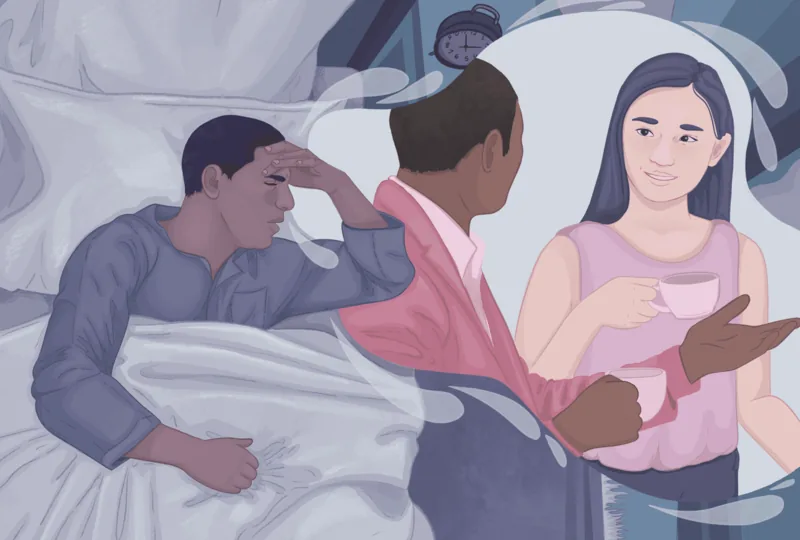
It's 3 AM, and you're staring at the ceiling, your mind racing through tomorrow's to-do list, your body a knot of tension. Maybe you've relied on a benzodiazepine--a "benzo"--to quiet this familiar storm, to usher in sleep, or to simply take the edge off a relentless day. But lately, a new kind of anxiety has crept in: the worry about what happens if you stop. The fear of withdrawal. The big question looming is: how long does withdrawal from these medications actually last?
The truth is, there's no single, simple answer. The duration of benzodiazepine withdrawal varies significantly, influenced by the specific medication, how long it's been used, and individual factors. Acute withdrawal symptoms can begin anywhere from 8-12 hours for short-acting benzos like Xanax, peaking around day 2-5, while longer-acting varieties like Klonopin might delay onset to 1-2 days, with acute symptoms potentially lingering for weeks. For some, a challenging phase known as protracted withdrawal can cause symptoms to come and go for several months, even up to a year. This isn't just discomfort; it's a serious medical event that demands careful, doctor-supervised tapering to avoid dangerous complications like seizures.
The Quiet Creep of Dependence
Benzodiazepines are powerful central nervous system depressants, commonly prescribed for anxiety, insomnia, and seizure disorders. You know them by names like Valium (diazepam), Xanax (alprazolam), and Klonopin (clonazepam). They work by enhancing the effect of a neurotransmitter called GABA, which helps calm brain activity. For many, they offer much-needed relief, but their efficacy comes with a significant caveat: the risk of physical dependence.
Here's the thing: dependence isn't the same as addiction, though the two can overlap. Physical dependence means your body has adapted to the presence of the drug to function "normally." This can happen even when you take benzodiazepines exactly as prescribed. Think about it this way: your body builds a tolerance, requiring more of the substance to achieve the same effect, and eventually, it simply can't operate without it (Harvard Health, 2022).
The numbers tell a compelling story. From 1996 to 2013, benzodiazepine prescriptions soared by 67% in the U.S., leading to a corresponding rise in misuse and dependence across all age groups (Bachhuber et al., 2016). When you suddenly stop or significantly reduce your dose, your brain, accustomed to the drug's calming influence, goes into overdrive. This abrupt shift triggers a cascade of often intense and distressing withdrawal symptoms. Understanding this underlying mechanism is crucial because it highlights why a sudden cessation, or "cold turkey," can be not just difficult, but genuinely dangerous.
The Unfolding Timeline: When Symptoms Emerge and Persist
One of the most pressing questions for anyone considering stopping these medications is precisely how long does withdrawal symptoms take to appear, and then, how long do they last? The answer is nuanced, heavily influenced by the type of benzodiazepine you're taking.
Onset and Acute Withdrawal
For short-acting benzodiazepines, such as Xanax (alprazolam) or Ativan (lorazepam), which are quickly metabolized and cleared from your system, withdrawal symptoms can rear their head surprisingly fast--sometimes in as little as eight to twelve hours after your last dose. The acute phase of withdrawal for these drugs typically peaks around the second to fifth day and gradually improves over a few weeks (APA DSM-5-TR, 2022). Imagine trying to focus on a presentation at work, but your hands tremble uncontrollably, your heart races, and every sound feels like a shockwave--a common experience during this intense period.
Conversely, longer-acting benzodiazepines like Klonopin (clonazepam) or Valium (diazepam) linger in the body for much longer. This means the onset of withdrawal symptoms can be delayed, sometimes taking one to two days, or even longer, to manifest. While the initial onset is slower, the acute withdrawal phase can sometimes extend for several weeks, as the drug slowly leaves your system.
Regardless of the specific drug, the symptoms themselves can be an overwhelming ordeal. They range from uncomfortable to severely debilitating:
- Psychological Distress: Intense anxiety, panic attacks, irritability, profound restlessness, depression, and significant problems with concentration and memory.
- Physical Manifestations: Persistent insomnia, hand tremors, muscle spasms, headaches, profuse sweating, a racing pulse, hyperventilation, nausea, vomiting, and generalized aches and pains. You might experience bizarre sensations, like skin-crawling or sudden goosebumps, even in a warm room (Hood et al., 2014).
- Severe Symptoms: In more serious cases, especially with abrupt cessation, individuals can experience hypersensitivity to light and touch, visual disturbances like blurred vision or flashes of light, auditory or visual hallucinations, feelings of unreality (depersonalization/derealization), delirium, and critically, grand mal seizures.
Approximately 40% of individuals who have taken benzodiazepines for longer than six months and stop suddenly will experience moderate to severe withdrawal symptoms, while the remaining 60% might encounter milder symptoms (Brett & Murnion, 2015). Factors like your current dose, the duration of use, whether you're taking multiple benzodiazepines or other sedating drugs, and any history of substance use can all significantly influence the severity and specific presentation of symptoms.
Protracted Withdrawal: The Lingering Shadow
For a significant minority--estimates suggest 10% to 25% of long-term benzodiazepine users--the journey doesn't end after a few weeks. They experience what's known as protracted withdrawal syndrome. Here, the question of how long does withdrawal last becomes even more complex, as symptoms can ebb and flow for several months, sometimes even up to a year (Hood et al., 2014). This isn't a continuous, severe ordeal; rather, symptoms are typically milder than acute withdrawal and can disappear for weeks at a time, only to resurface unexpectedly. Imagine feeling great for a month, finally enjoying a family picnic, only to be suddenly hit by a wave of crushing fatigue and irritability that makes you want to retreat from everything. This unpredictable pattern can be incredibly frustrating and demands ongoing resilience and support.
Navigating the Path to Recovery: Safe Withdrawal Strategies
Given the potential severity of benzodiazepine withdrawal, the message is clear: do not attempt to quit on your own. This isn't a challenge to tackle through sheer willpower. The safest and most effective strategy involves working closely with a healthcare professional to implement a gradual dose reduction, known as tapering.
The Tapering Process
Tapering means slowly and systematically reducing your dose over weeks or months. This allows your brain and body to gradually adjust to less of the medication, minimizing the shock and significantly reducing the risk and intensity of withdrawal symptoms. Your doctor might even suggest switching you from a short-acting benzodiazepine to a longer-acting one, like Valium (diazepam), before beginning the taper. Diazepam's longer half-life provides a more stable blood level, making the dose reductions smoother and more tolerable.
There's no universal tapering schedule; it's a highly individualized process. Your doctor will create a plan tailored to your specific medication, dosage, duration of use, and personal circumstances. Some people can taper relatively quickly, completing the process in two to three weeks, while others require a much slower approach, extending over several months. The key is flexibility: if symptoms become intolerable after a dose reduction, your doctor can pause or slow down the taper.
Coping with Breakthrough Symptoms
Even with a careful taper, you might still experience "breakthrough" withdrawal symptoms. This is where a robust coping strategy becomes invaluable. While there's no FDA-approved medication specifically for benzodiazepine withdrawal, your doctor might prescribe other supportive medications to help manage specific symptoms like nausea or sleep disturbances. Additionally, integrating therapeutic techniques can make a profound difference:
- Cognitive Behavioral Therapy (CBT): Helps you identify and challenge negative thought patterns associated with anxiety and withdrawal, providing practical tools for managing distress.
- Mindfulness Training and Meditation: Cultivate present-moment awareness, reducing the intensity of racing thoughts and physical sensations.
- Regular Exercise: A powerful mood booster and stress reducer, it can help regulate sleep and energy levels.
- Support Systems: Leaning on friends, family, or support groups can provide emotional validation and practical encouragement.
Inpatient vs. Outpatient Care
Most individuals successfully taper their benzodiazepines at home, under the guidance of their primary care physician or psychiatrist. Regular check-ins, either by phone or in-person, are crucial during this period. However, for some, an inpatient setting might be necessary. This includes those with a history of complicated withdrawal, previous seizures, severe co-occurring mental health conditions, or poly-substance use. In a detox facility or hospital, you receive constant medical monitoring and psychological support, which can be life-saving.
It's also vital to consider specific circumstances, such as pregnancy. Benzodiazepine use during pregnancy carries risks, but so does withdrawal. A discussion with your OBGYN and psychiatrist is essential to weigh the potential risks and benefits for both you and your baby (American College of Obstetricians and Gynecologists, 2023).
Beyond Withdrawal: Sustaining Long-Term Well-being
Successfully navigating the withdrawal process is a monumental achievement, but it's often just the beginning of a longer journey toward sustainable well-being. The path forward depends heavily on why you were taking benzodiazepines in the first place, and your reasons for wanting to stop.
Addressing Underlying Conditions
For many, benzodiazepines were prescribed to manage underlying psychiatric conditions like generalized anxiety disorder, panic disorder, or severe insomnia. As you withdraw, these symptoms can re-emerge, sometimes with greater intensity. This is where an alternative, comprehensive treatment plan becomes paramount. This might involve:
- Alternative Medications: Exploring non-benzodiazepine anxiolytics, antidepressants, or sleep aids with your doctor.
- Ongoing Psychotherapy: Continuing with CBT, dialectical behavior therapy (DBT), or other forms of talk therapy to build coping skills, process emotions, and address the root causes of anxiety or insomnia.
- Lifestyle Adjustments: Implementing stress reduction techniques, optimizing sleep hygiene, and maintaining a healthy diet and exercise routine.
For instance, if you relied on a benzo for sleep, you might find yourself once again facing sleepless nights, but now armed with therapeutic strategies like sleep restriction and stimulus control learned through CBT (National Sleep Foundation, 2024).
Addressing Substance Use
If your journey involved misusing benzodiazepines or struggling to control their use, long-term treatment will likely include specialized substance use therapy. This is especially true if you are also withdrawing from other substances like alcohol or opioids. Psychotherapy can help you delve into the root causes of substance abuse, identify psychological triggers, and develop robust relapse prevention strategies.
The journey away from benzodiazepine dependence demands patience, courage, and consistent support. But the reward--reclaiming control over your well-being and finding healthier ways to navigate life's anxieties--is immeasurable. The question of how long does withdrawal last might feel daunting, but with the right guidance, a clear path to recovery and renewed vitality is absolutely within reach.
Essential Resources
Your primary care physician or psychiatrist is your most crucial resource in this process. They can guide your taper, manage symptoms, and help you build a long-term wellness plan.
If you're seeking specialized help for substance abuse issues, the Substance Abuse and Mental Health Services Administration (SAMHSA) offers a national helpline (1-800-662-HELP (4357)) and a searchable directory to find qualified providers in your area. Remember, reaching out is the first step toward a healthier future.
For additional mental health resources, many national organizations provide extensive databases and support networks.