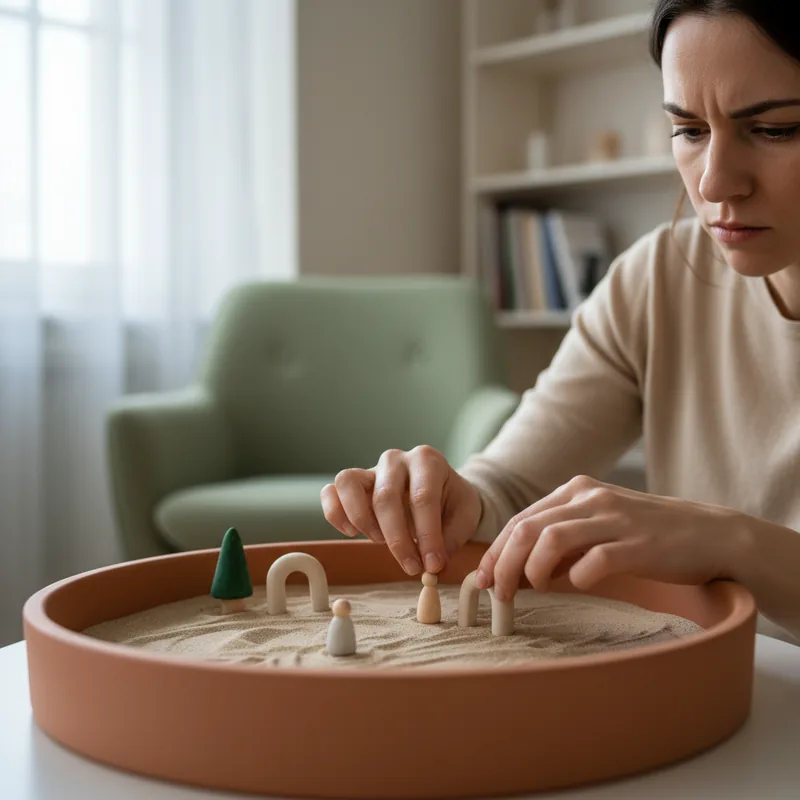
Imagine this: you're scrolling through your phone, and your partner hasn't replied to your text in an hour. Your heart starts to race. What could they be doing? Are they upset with you? Are they talking to someone else? This familiar spiral of 'what ifs' is a hallmark of how anxiety affects relationships, often manifesting as intense worry, neediness, or even withdrawal. It's estimated that nearly 40 million American adults experience an anxiety disorder each year, and these internal struggles rarely stay contained - they spill over into our closest connections (American Psychiatric Association, 2022).
Understanding Anxiety's Relational Footprint
Anxiety doesn't just create internal turmoil; it actively reshapes how we interact and connect with others. When anxiety takes hold, it can push us into patterns of behavior that, while often stemming from a desire for security, can inadvertently strain relationships. You might find yourself seeking constant reassurance, trying to control situations to minimize perceived threats, or retreating altogether to avoid potential hurt.
The core challenge is that anxiety distorts our perception of reality, making us hyper-vigilant to threats - even when those threats are imagined. This constant state of alert depletes our emotional resources and makes it difficult to maintain a balanced, trusting connection with a partner, friends, or family.
The Three Faces of Anxiety in Relationships
How exactly does anxiety manifest in our relationships? It often presents in one of three primary ways, each with its own set of challenges:
The Clingy Companion: Over-Dependence
When anxiety fuels a deep-seated fear of abandonment or rejection, individuals may become overly dependent on their partners. This isn't about healthy interdependence; it's a constant need for validation and reassurance. You might find yourself:
- Constantly seeking confirmation that your partner loves you or is happy with you.
- Experiencing intense distress if your partner doesn't respond to texts or calls immediately.
- Feeling lost or incapable when you're apart from your partner for extended periods.
- Overthinking every interaction, searching for hidden meanings or signs of disapproval.
This level of dependence can feel suffocating to a partner, leading to resentment and a desire for space, which, ironically, can further trigger the anxious individual's fears.
The Gatekeeper: Controlling Behaviors
For some, anxiety is managed by attempting to exert control over their environment and the people within it. The logic, though flawed, is that if you can control the variables, you can prevent negative outcomes. This might look like:
- Micromanaging your partner's schedule or social interactions.
- Becoming excessively jealous when your partner spends time with others or needs personal space.
- Constantly criticizing or questioning your partner's choices to ensure they align with your perceived 'safe' path.
- Feeling an overwhelming need to plan every detail of a shared future, leaving little room for spontaneity or independent decision-making.
This drive for control often stems from a profound fear of the unknown and a deep-seated belief that things will inevitably go wrong without constant supervision.
The Hermit: Avoidance and Detachment
On the opposite end of the spectrum, anxiety can lead individuals to push people away entirely. The fear of vulnerability, rejection, or the potential pain of a relationship ending can be so overwhelming that the safest strategy seems to be avoidance. This can result in:
- Difficulty opening up emotionally or sharing personal feelings.
- Appearing distant, cold, or uninterested, even when longing for connection.
- Sabotaging potential relationships before they become too serious to avoid the risk of deep hurt.
- Struggling to trust others or allow them to get close, creating a barrier to intimacy.
Someone exhibiting avoidance might be perceived as emotionally unavailable, but internally, they are often grappling with intense fears about getting hurt (Porter & Chambless, 2017).
When Anxiety Threatens Your Connections
The impact of how anxiety affects relationships is significant. Studies indicate that individuals with anxiety disorders are more likely to experience relationship instability, including higher rates of divorce (Priest, 2013). The constant worry, the need for control, or the tendency to withdraw can erode trust, create conflict, and leave both partners feeling drained and disconnected.
For instance, consider Sarah, who constantly texted her boyfriend, needing to know his whereabouts and seeking reassurance about their relationship status. Her anxiety, rooted in a past betrayal, made her suspicious and clingy. Her boyfriend, feeling suffocated and untrusted, began to withdraw, which only amplified Sarah's anxiety, creating a vicious cycle.
Conversely, Mark, fearing rejection after a difficult childhood, would often shut down emotionally when his partner tried to discuss deeper issues. He'd make excuses to avoid intimacy, leading his partner to feel unloved and unsupported, ultimately pushing them away.
Navigating Anxiety Towards Healthier Bonds
The good news is that understanding how anxiety affects relationships is the first step toward healing and building stronger connections. Professional help is often invaluable in this process.
Professional Guidance and Treatment
Mental health professionals can offer effective strategies to manage anxiety and its relational fallout. Therapies like Cognitive Behavioral Therapy (CBT) are particularly effective, helping individuals identify and challenge anxious thought patterns and develop healthier coping mechanisms (Bandelow et al., 2017). CBT can teach you to self-soothe and take rational action rather than relying solely on external reassurance.
Other therapeutic approaches, such as psychodynamic therapy, can help explore the roots of anxiety in past experiences and relationships, providing deeper insight for those who tend to be avoidant. For couples struggling together, couples counseling can provide a safe space to improve communication and understand each other's experiences.
Medication, such as selective serotonin reuptake inhibitors (SSRIs), can also play a crucial role in managing the physiological symptoms of anxiety, making it easier to engage in therapy and implement behavioral changes (Bandelow et al., 2017). It's often most effective when combined with psychotherapy.
Personal Strategies for Resilience
Beyond formal treatment, several practices can help you manage anxiety within your relationships:
- Open Communication: Talk to your partner about your anxiety. Sharing your struggles, without blame, can foster understanding and empathy.
- Mindfulness and Relaxation: Techniques like deep breathing, meditation, and progressive muscle relaxation can help calm your nervous system in moments of heightened anxiety. Practicing these regularly can build resilience.
- Setting Boundaries: Learn to establish healthy boundaries, both for yourself and with your partner. This means recognizing your needs and communicating them clearly, while also respecting your partner's autonomy.
- Self-Reassurance: Develop internal coping strategies. When anxious thoughts arise, pause, acknowledge them as anxiety-driven, and try to identify factual evidence before reacting.
- Couples Counseling: If anxiety is a recurring issue impacting your relationship, consider seeking joint therapy. This can equip both partners with tools to navigate challenges together.
Remember, managing anxiety in relationships is a journey, not a destination. By employing these strategies and seeking support when needed, you can move towards more secure, trusting, and fulfilling connections.