Ultimate Junk Journaling Month—Here’s What Happened: A Guide
For those who find traditional journaling restrictive, junk journaling offers a liberating alternative. After dedicating a junk journaling month to this rising trend, I discovered a profound shift in my daily perspective, experiencing reduced stress, enhanced mindfulness, and a surprising boost of joy. This creative practice, which involves repurposing everyday “junk” into meaningful collages and reflections, truly transformed my approach to self-care, proving its hype is well-deserved.
Key Takeaways
- Junk journaling is a flexible and creative hobby that lets you use everyday items like receipts, flyers, and natural elements to document memories, ideas, and feelings through collage, writing, and mixed media.
- This practice significantly helps reduce stress because it operates without rigid rules or pressures for artistic perfection, fostering a sense of freedom.
- Engaging in junk journaling can make mundane daily tasks more enjoyable by encouraging you to actively seek out unexpected items to incorporate into your journal.
I confess that before stumbling upon the self-care trend of junk journaling, I rarely considered the potential of everyday “junk.” Receipts, coupons, product tags, and even stray leaves were typically destined for the bin. Yet, this unique practice, now widely celebrated across social media, completely changed my perception of these seemingly insignificant items.
Junk journaling, while sounding contradictory, is precisely what makes it distinct. It’s not about organizing your thoughts or to-do lists in a conventional sense. Instead, it’s a dedicated space to curate and celebrate all your collected ephemera.
Imagine it as the spontaneous, free-spirited cousin to traditional journaling and scrapbooking. A core appeal lies in its complete lack of rules. In a world that often demands constant productivity, unwavering perfection, and endless digital engagement, this unstructured, hands-on practice offers a much-needed respite for our mental well-being.
Given its promising stress-reduction benefits and remarkably low barrier to entry, my inherent curiosity for self-care innovations naturally compelled me to try it out.
Ahead, I’ll detail my personal experience during a dedicated junk journaling month, exploring whether the widespread acclaim truly holds up.
1. Understanding Junk Journaling: A Creative Escape
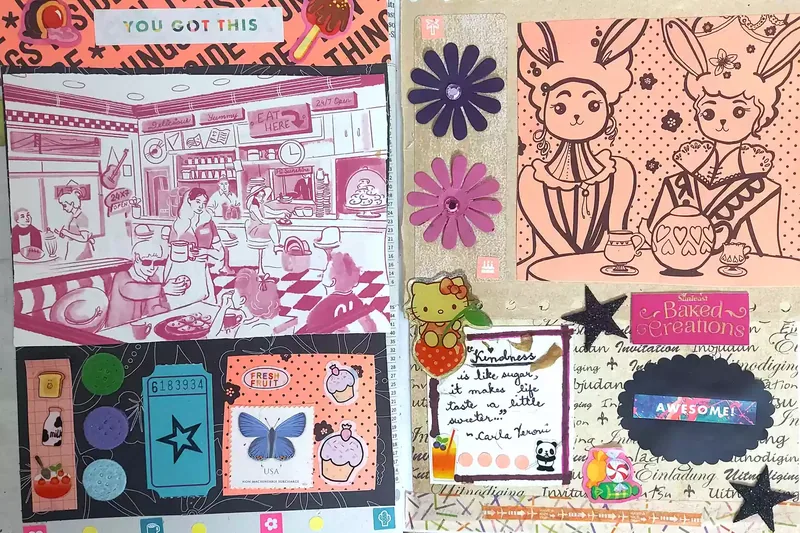
Junk journaling is a distinctive form of creative expression that involves using discarded, everyday items—often referred to as “junk” or ephemera—to create a personalized journal. Unlike traditional journaling, which typically focuses on written entries, junk journaling blends writing with collage, mixed media, and tactile elements. This practice transforms mundane items like old tickets, packaging, fabric scraps, dried flowers, and even receipts into meaningful artistic compositions that reflect personal experiences, memories, and emotions. It’s an exercise in finding beauty and utility in the overlooked.
The core philosophy of junk journaling revolves around freedom and imperfection. There are no strict guidelines regarding aesthetics, layout, or content, which makes it incredibly accessible to individuals of all artistic skill levels. This liberation from conventional rules fosters a non-judgmental space for self-expression, directly countering the pressures of perfection often found in other creative pursuits. In 2025, as digital burnout continues to be a prevalent concern, hobbies like junk journaling offer a vital analogue escape, promoting tactile engagement and a break from screens.
What sets junk journaling apart is its inherent sustainability and resourcefulness. Instead of purchasing new supplies, participants are encouraged to repurpose items that would otherwise be thrown away. This not only makes the hobby budget-friendly but also imbues each journal with a unique narrative, as every piece of “junk” carries its own story and context. The act of collecting these items becomes a mindful scavenger hunt, turning routine tasks into opportunities for creative discovery. This unique blend of creativity, mindfulness, and sustainability positions junk journaling as a powerful tool for self-care and personal reflection in our fast-paced world.
2. My Transformative Junk Journaling Month: A Personal Journey
Embarking on a junk journaling month proved to be an unexpected adventure in self-discovery and creativity. To fully immerse myself in the spirit of repurposing, I started by crafting my own journal. I used an old wedding card as the sturdy cover, then cut and stapled together various discarded materials like newspaper sheets, paper bags, and leftover wrapping paper to form the pages. This initial step immediately set a tone of resourcefulness and personal connection to the project, making the experience of a junk journaling month even more meaningful.
Week 1: Overcoming the Blank Page
Despite my initial excitement, getting started felt surprisingly challenging. I laid out my collected scraps, glues, and scissors, but a sense of inertia took over. Watching numerous junk journal flip-throughs online for inspiration only heightened my anxiety, creating an unspoken pressure to achieve a certain aesthetic. It wasn’t until I consciously reminded myself that the essence of junk journaling lies in its rule-free nature that I truly began. I set aside all notions of perfection, picked up a receipt, and started gluing without concern for the final appearance. The result wasn’t “pretty” by conventional standards, but the process itself was immensely enjoyable and liberating. Breaking free from the need to “get it right” was the first major breakthrough of my junk journaling month.
Week 2: Embracing the Flow
By the second week, the initial apprehension had completely dissolved. Without the burden of expectations, creative ideas flowed much more naturally. I no longer had to force myself to sit down with my journal; instead, I eagerly anticipated my sessions. During one particular session, I found myself engrossed for over three hours—a remarkable feat in an age where digital distractions often fragment attention spans. I incorporated a discarded concert ticket, a coffee sleeve, and a few printed quotes, creating a vibrant spread that felt authentically mine. This sustained focus was a clear indicator of the deep engagement and mental “flow” that junk journaling can induce. My junk journaling month was already proving to be a powerful antidote to digital fatigue.
Week 3: Creative Problem-Solving
This week presented a fun challenge: I didn’t have as many paper scraps as I would have liked. Instead of feeling limited, I saw an opportunity to explore more unconventional materials. I ventured into my backyard for withered leaves, gathered dried floral tea leftovers, and even found a handful of colorful buttons that had lost their mates. The result was a charming, nature-themed collage that felt incredibly unique and personal. This experience highlighted another benefit of junk journaling: it sharpens your creative problem-solving skills and encourages you to look beyond the obvious. It transformed a potential obstacle into a delightful artistic exploration during my junk journaling month.
Week 4: A Shift in Perspective
As the final week of my junk journaling month unfolded, I unfortunately came down with a cold. Yet, even while feeling unwell, I found myself looking forward to my next journaling session. This anticipation was a stark contrast to my usual disinterest in hobbies when sick. More profoundly, I noticed a significant shift in my daily awareness. Mundane tasks like eating a snack, sorting recycling, or putting away groceries began to feel like miniature treasure hunts. My mind was constantly, yet subtly, scanning for the next interesting “surprise” to add to my journal. This newfound attentiveness brought a spark of joy and presence to even the most routine activities.
The past four weeks felt like a continuous discovery, turning ordinary life into a series of small, delightful finds. The absence of rigid rules made the entire process incredibly freeing, particularly for someone like me, who often battles perfectionist tendencies. There’s truly no “wrong” way to junk journal, which effectively silenced any fear of making mistakes. The most rewarding aspect, however, was the profound sense of accomplishment derived from holding something tangible, something I had created from scratch, entirely with my own hands. This tangible creation served as a consistent mood booster, validating the positive impact of my junk journaling month.
3. The Psychology Behind Junk Journaling’s Benefits
The positive effects observed during my junk journaling month aren’t merely anecdotal; they are deeply rooted in psychological principles. Experts confirm that engaging in creative outlets like junk journaling offers substantial improvements to mental well-being. This unique practice taps into several key areas that promote emotional regulation, stress reduction, and overall psychological health. The combination of tactile engagement, creative expression, and a lack of pressure creates an ideal environment for mental restoration.
It May Lower Stress and Anxiety
One of the most compelling benefits of junk journaling is its profound ability to reduce stress and ease anxiety. The freedom from worrying about neat handwriting or perfectly structured sentences is incredibly liberating. As Lisa Anderson, LCSW, clinical director at Brooks Healing Center, Tennessee, explains, “Instead of writing in structured sentences, you can use colors, textures, and images to express your feelings. This creative self-expression has been shown to help reduce stress, ease anxiety, and improve overall mood.” (Anderson, LCSW, Brooks Healing Center). The tactile process of handling different materials and the visual nature of collage offer a non-verbal outlet for emotions, bypassing the cognitive effort often required for verbal expression. This allows for a more intuitive and less self-critical form of emotional release, contributing to a calmer state of mind (Harvard, 2024).
It Promotes Mindfulness
Junk journaling is an excellent tool for cultivating mindfulness, grounding participants firmly in the present moment. Allison Barton, a San Diego-based therapist specializing in trauma, anxiety, and perfectionism, highlights that “the tactile, creative process of picking, cutting, and pasting different materials encourages mindfulness.” This active engagement with physical materials and the creative task at hand helps redirect mental focus away from intrusive or worrisome thoughts. Anderson adds that this process “helps pull your mind away from intrusive thoughts and feelings, making you feel calmer and more in tune with yourself.” By immersing oneself in the sensory experience of creating, individuals can achieve a state of focused attention that mirrors meditative practices, promoting psychological well-being.
It Helps Cultivate Gratitude and Joy
Junk journaling inherently invites participants to discover meaning and beauty in seemingly insignificant items, fostering a powerful sense of gratitude and joy. A coffee shop receipt from a memorable morning, a pressed flower from a cherished walk, or a whimsical doodle that brought a smile—these small details, when collected and arranged, become a visual treasury. “When collected and arranged in a journal, these small details become a visual reminder of the good moments we often forget. It shifts your perspective from focusing on stress to appreciating your day’s tiny sparks of happiness,” Anderson elaborates. Barton concurs, noting that over time, this cultivated skill of appreciating small joys can “translate to viewing everyday life with renewed appreciation and build a more positive emotional outlook.” This consistent focus on positive micro-experiences profoundly enhances overall happiness and contentment.
4. Who Should Embrace Junk Journaling?
Junk journaling’s inclusive nature makes it suitable for a wide array of individuals, transcending age and artistic skill level. Because its primary focus is on creative self-expression rather than technical artistry, it offers a welcoming entry point for anyone seeking a unique outlet. This accessibility is a major factor in its growing popularity as a self-care practice. The inherent flexibility and lack of prescriptive rules mean that anyone can benefit, regardless of their background or previous experience with creative hobbies.
Ideal for Perfectionists
Allison Barton emphasizes that junk journaling is “particularly helpful for those who struggle with perfectionism as it promotes free and non-judgmental creative exploration.” The very concept of using “junk” inherently challenges the need for perfection. There’s no expectation for a pristine outcome; instead, the beauty lies in the imperfect, the repurposed, and the unconventional. This freedom allows perfectionists to release the pressure of creating something flawless, encouraging them to embrace mistakes as part of the creative journey. It teaches them that value can be found in the process and in authentic expression, rather than solely in polished results.
Beneficial for Processing Difficult Emotions
For individuals navigating grief or trauma, junk journaling provides a safe and non-verbal avenue for emotional processing. Janet Bayramyan, LCSW, notes that it “provides a safe space to explore and process difficult emotions that may be hard to put into words.” When words fail, images, textures, and colors can convey complex feelings. The act of tearing, cutting, and arranging materials can be therapeutic, allowing for the externalization of internal struggles without the pressure of coherent narrative. This visual storytelling can be a powerful tool for healing and understanding, offering a gentle way to confront and integrate challenging experiences.
Great for Neurodivergent Individuals
According to Lisa Anderson, junk journaling is also highly beneficial for neurodivergent individuals, including those with ADHD or autism. She explains that it “offers an open-ended, hands-on way to process thoughts and emotions without rigid rules.” The tactile engagement, visual stimulation, and freedom from structured tasks can be particularly appealing and effective. For those with ADHD, the varied sensory input and dynamic nature of collecting and arranging different materials can help maintain focus and engagement. For individuals with autism, it provides a low-pressure method for self-expression and emotional regulation, bypassing the social or verbal demands that might be present in other forms of therapy or interaction.
5. Exploring Alternatives to Junk Journaling
While a junk journaling month can be incredibly rewarding, it’s understandable that this specific creative outlet might not resonate with everyone. Fortunately, the realm of creative self-expression is vast, offering numerous alternatives that provide comparable mental health benefits. The key is to find an activity that genuinely sparks joy, feels natural, and allows your mind to unwind while still providing a channel for self-expression. Exploring different hobbies can help you discover what truly recharges your mental and emotional batteries.
If junk journaling doesn’t quite capture your interest, consider these diverse options:
- Coloring: Adult coloring books, with their intricate designs, offer a meditative experience that reduces stress and improves focus. The repetitive motion and decision-making about colors can be very grounding.
- Bullet Journaling: For those who prefer more structure but still desire creativity, bullet journaling combines planning, task management, and artistic expression. It allows for personalized organization while still engaging the creative side.
- Collage Making: Similar to junk journaling but often less focused on the “journal” aspect, collage making allows you to create visual narratives using various images and textures on a flat surface. This can be done digitally or traditionally.
- Clay Modeling: Working with clay is a highly tactile and sensory activity that can be incredibly therapeutic. It allows for three-dimensional creation and expression, engaging a different part of the brain.
- Diamond Art: This intricate hobby involves attaching tiny resin rhinestones to a canvas, creating a shimmering, mosaic-like image. It’s a precise, repetitive, and satisfying activity that promotes focus and patience.
- Gardening: Connecting with nature through gardening offers physical activity, a sense of accomplishment, and exposure to fresh air. Nurturing plants can be deeply meditative and rewarding.
- Knitting/Crocheting: These fiber arts are rhythmic and repetitive, known for their stress-reducing qualities. The creation of functional or decorative items provides a tangible sense of achievement.
- Zentangling: This method of creating structured patterns, or “tangles,” is a fun and relaxing way to create beautiful abstract art. It requires no artistic background and encourages focus and mindfulness through repetitive strokes.
Lisa Anderson wisely advises, “The key is to choose a creative outlet that feels natural and enjoyable to you—one that gives your brain a break while also helping you express yourself.” The goal is always to find a sustainable practice that enhances your well-being, whether it’s through a junk journaling month or another fulfilling activity.
6. Getting Started with Your Own Junk Journal
Inspired by the transformative experience of a junk journaling month and ready to embark on your own creative journey? Starting a junk journal is incredibly simple, requiring minimal investment and maximum imagination. The beauty of this practice lies in its accessibility and the endless possibilities for personalization. You don’t need expensive art supplies or a specific artistic talent; just an open mind and a willingness to collect the small treasures of your everyday life.
What You’ll Need
The most fundamental item is a journal base. This can be anything from an old notebook, a repurposed book with some pages removed, or even a collection of stapled papers like I used. The goal is to use something you already have. Next, you’ll need adhesives – a simple glue stick, craft glue, or even tape will suffice. For cutting, a pair of scissors is useful, though tearing materials can also add to the aesthetic. Beyond these basics, your “supplies” are entirely dependent on what you collect.
Where to Find Your “Junk”
The world is your oyster when it comes to finding junk journaling materials. Start by looking around your home:
- Paper items: Receipts, old greeting cards, product packaging (cereal boxes, tea bags), flyers, newspaper clippings, magazine cut-outs, old letters, envelopes, postage stamps, tags from clothing.
- Natural elements: Pressed flowers, dried leaves, small twigs, feathers found on walks.
- Fabric scraps: Bits of ribbon, lace, old clothing pieces, yarn.
- Miscellaneous: Buttons, old tickets (movie, bus, concert), stickers, labels, broken jewelry pieces, even interesting food wrappers.
The trick is to start viewing everyday items with a new, curious eye, asking yourself: “Could this tell a story?” This shift in perception is a key part of the junk journaling month experience.
Overcoming Initial Hurdles
It’s common to feel a bit stuck at first, much like I did during my initial week. The best advice is to simply start. Don’t worry about making it perfect or beautiful. Pick up a random piece of “junk” and glue it down. Then add another. The process itself is the goal, not the finished product. Watch a few flip-through videos for inspiration, but don’t let them intimidate you. Remember, your journal is a reflection of your life and your unique style.
Tips for Consistency
To make junk journaling a consistent and beneficial practice, try to integrate it into your routine. Set aside 10-15 minutes a few times a week, or simply keep your journal accessible for when inspiration strikes. Carry a small pouch to collect interesting bits you encounter throughout your day. The more you engage with the process, the more natural and rewarding it will become. Embracing a junk journaling month is a fantastic way to kickstart this habit and discover the profound joy and mindfulness it can bring to your daily life.
Conclusion
Embarking on a junk journaling month proved to be far more than just a creative experiment; it was a deeply enriching journey into self-care and mindfulness. This unique practice, which transforms everyday ephemera into meaningful personal narratives, offers a refreshing antidote to the pressures of modern life. By embracing imperfection and finding beauty in the discarded, I discovered a powerful tool for reducing stress, fostering gratitude, and enhancing overall well-being.
The experience highlighted how a simple, accessible hobby can profoundly shift one’s perspective, turning routine tasks into opportunities for joy and discovery. Whether you’re a recovering perfectionist, seeking an outlet for difficult emotions, or simply yearning for a tangible, screen-free creative escape, junk journaling offers a welcoming and rewarding path. It’s a testament to the idea that true self-care doesn’t require grand gestures, but often lies in the quiet, creative moments we carve out for ourselves.