Why do some relationships feel like a gentle breeze, while others are a constant battle against the storm? We crave connection, yet often find ourselves repeating the same old patterns, wondering why intimacy feels so elusive or so overwhelming. This isn't just bad luck; it's often a reflection of something deeper: your attachment style. Understanding this blueprint for how you connect can transform not just your romantic life, but all your relationships, from friends to family.
If you've ever pondered, "what is my attachment", you're on the right track. Your attachment style is essentially your unique way of relating to others, shaped by early experiences and influencing everything from how you handle conflict to your comfort with closeness. It's a powerful lens through which to view your relationship dynamics, offering insights that can lead to healthier, more fulfilling bonds.
Uncover Your Relational Blueprint: Take the Quiz
Our relationships are complex tapestries, woven with threads of shared experiences, personalities, and, crucially, our individual attachment styles. These styles, formed in the crucible of early childhood interactions with caregivers, can predict much about how we navigate adult connections. Think of them as the subconscious operating system guiding your relational behaviors.
This short, free 15-question quiz isn't a diagnostic tool, but a powerful mirror. It's designed to help you gain insight into the feelings and behaviors associated with the four primary attachment styles: secure, anxious-preoccupied, dismissive-avoidant, and fearful-avoidant (disorganized). By reflecting on your responses, you'll start to recognize patterns you might never have consciously noticed, providing a crucial first step in answering the question, "what is my attachment".
The Four Core Attachment Styles Unpacked
Psychologists have identified four main attachment styles that most adults exhibit in their close relationships. While early attachment isn't always identical to its adult counterpart, it's a strong predictor of how we'll seek and maintain connections throughout life (Bowlby, 1969).
Your attachment style consists of a variation of attachment strategies. Which strategies show up the most depends on the overall safety you have felt in relationships.
Secure Attachment
Imagine a relationship where trust flows easily, communication is open, and both partners feel seen and valued. That's the hallmark of a secure attachment style. Individuals with this style are comfortable with both intimacy and independence, maintaining healthy boundaries while still seeking and offering support.
Children who develop secure attachment typically had caregivers who were consistently responsive, providing a safe and loving environment. As adults, they possess good self-esteem, are resilient in conflict, and form stable, long-term relationships (Xu et al., 2022). For example, a securely attached couple can calmly discuss disagreements, genuinely listening to each other's perspectives without fear of abandonment or engulfment.
Anxious-Preoccupied Attachment
If you often find yourself worrying about your partner's feelings, constantly seeking reassurance, or fearing abandonment, you might lean towards an anxious-preoccupied attachment style. This insecure style often stems from inconsistent caregiving in childhood, where needs were sometimes met and sometimes ignored (Ainsworth, 1978).
Adults with this style tend to be hyper-vigilant to signs of rejection and may become overly dependent or "clingy" in relationships. Breakups can be particularly devastating, triggering intense emotional distress. They often crave extreme closeness but are plagued by doubts about their partner's love. You might find yourself asking, "what is my attachment", if these patterns resonate deeply with your experiences.
Dismissive-Avoidant Attachment
On the other end of the insecure spectrum lies the dismissive-avoidant attachment style. Individuals with this style often prioritize independence and self-sufficiency, struggling with emotional intimacy and vulnerability. They may appear emotionally distant, uncomfortable with displays of affection, and quick to withdraw when relationships become too close.
This style often develops in response to emotionally unavailable caregivers, leading children to suppress their needs and become fiercely self-reliant. In adulthood, they may invest less emotion in relationships and compartmentalize feelings, making it hard for partners to feel truly connected. Think of someone who consistently makes excuses to avoid deep conversations or quickly changes the subject when discussions become too personal. They might genuinely struggle to understand why their partner needs so much "talking about feelings."
Fearful-Avoidant (Disorganized) Attachment
The most complex of the insecure styles, fearful-avoidant (disorganized) attachment, is characterized by a perplexing mix of anxious and avoidant behaviors. One moment, they might crave closeness, and the next, push partners away. This style is often linked to past trauma or highly inconsistent, frightening, or neglectful caregiving in childhood (Reisz et al., 2018).
Adults with disorganized attachment desire intimacy but simultaneously fear it, leading to unpredictable and often confusing relationship dynamics. They may struggle with trust and have difficulty regulating their emotions. For instance, a person might text constantly for a week, expressing intense affection, then suddenly go silent for days, leaving their partner confused and hurt. This push-pull pattern can be incredibly challenging for both individuals involved.
Attachment's Deep Roots: A Brief History
The concept of attachment isn't new; it has profound psychological roots. John Bowlby, a pioneering researcher, first described attachment as a "lasting psychological connectedness between human beings" (Leszczynski, 2021). He believed this innate drive to form bonds was crucial for survival, with early childhood experiences shaping our development and behavior for years to come.
Bowlby's work was expanded upon by psychologist Mary Ainsworth, whose famous "Strange Situation" experiment identified three primary attachment styles in children. Later research added the fourth, disorganized style. These foundational theories underscore a powerful truth: your earliest bonds with primary caregivers form the template for how you relate to others throughout your life. Children who consistently experience caregivers who are present and responsive learn that others can be relied upon, fostering a sense of security that echoes in their adult relationships.
Beyond Awareness: Can You Reshape Your Style?
The good news? Your attachment style isn't a life sentence. While deeply ingrained, these patterns are not set in stone. Awareness is the first powerful step, and understanding "what is my attachment" opens the door to profound change. With conscious effort, self-compassion, and sometimes professional guidance, you absolutely can move from an insecure attachment style towards a more secure one (Simpson & Rholes, 2017).
Here's how you can actively work towards reshaping your relational blueprint:
- Become More Aware of Your Patterns: Start observing your reactions and behaviors in relationships. What triggers your anxiety? What makes you pull away? Journaling can be an excellent tool for this self-reflection.
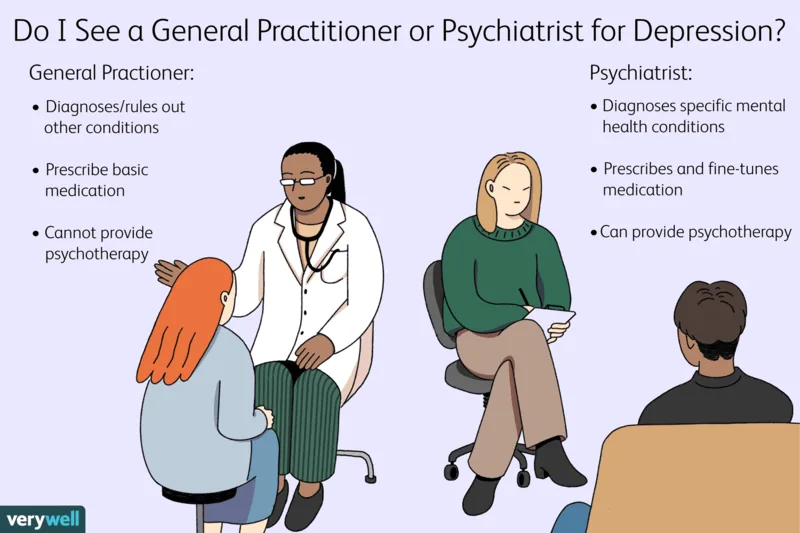
- Talk to a Therapist: A mental health professional specializing in attachment can provide a safe space to explore the origins of your style, identify triggers, and learn healthier coping mechanisms. They can also help you practice expressing needs and setting boundaries.
- Build Secure Relationships: Actively seek out and nurture connections with people who model secure attachment behaviors. Their stability and responsiveness can be a powerful corrective experience, showing you what healthy intimacy feels like.
- Challenge Negative Beliefs: Insecure attachment often comes with underlying negative beliefs about yourself or others (e.g., "I'm not lovable," "Everyone will abandon me"). Work to identify and replace these with more balanced, compassionate perspectives.
- Practice Emotional Regulation and Mindfulness: Techniques like deep breathing, meditation, and mindful awareness can help you manage intense emotions more effectively, preventing knee-jerk reactions that reinforce old patterns.
Remember, old habits can be unlearned. Even a history of challenging relationships doesn't define your future. With intentional effort, you can rewrite your relational story and cultivate the secure, fulfilling connections you deserve.