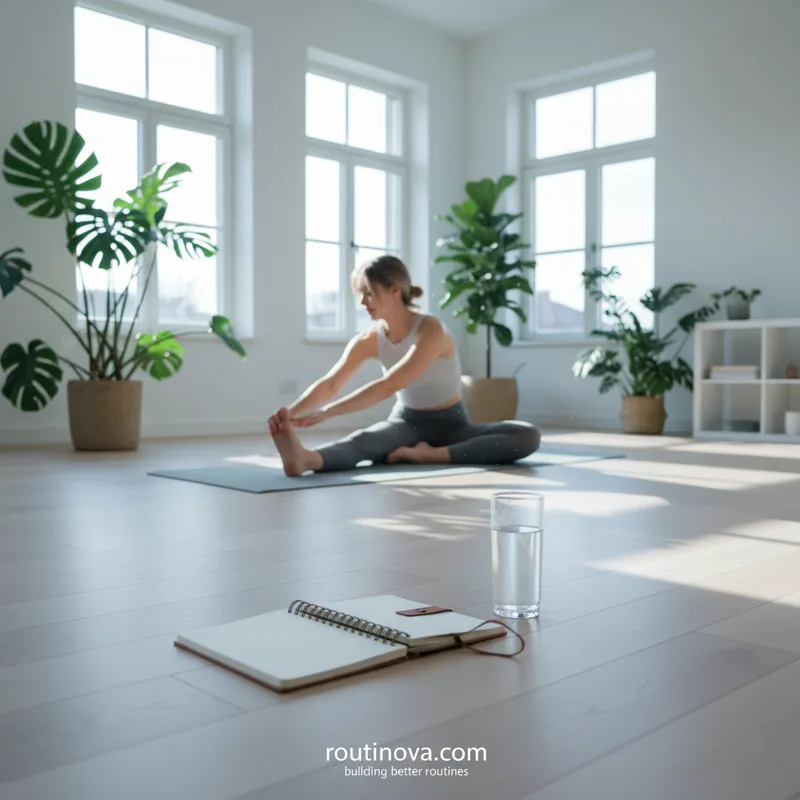
We often relegate flexibility to the realm of professional athletes or the elderly, overlooking its profound impact on daily life. But as we age, maintaining mobility becomes a quiet struggle - think of the effort it takes for many to simply reach overhead. Whether you're aiming for peak athletic performance or just want to move through life with greater ease, the question lingers: how much stretching it actually takes to see real progress? Fortunately, science offers clearer guidelines than you might expect.
This isn't about pushing through pain; it's about strategic movement. We're focusing on static stretching - the kind where you hold a position. While dynamic stretching has its own merits for warming up, the science here dives deep into the sustained holds.
For an Immediate Flexibility Boost: Aim for 4 Minutes
Flexibility isn't just a long-term goal; it offers immediate, tangible benefits. You've likely experienced this temporary, yet dramatic, effect after a good stretch - a feeling of newfound range of motion. Dancers might use this right before a performance, or you might need that extra shoulder mobility for a heavy overhead lift. This short-term gain is invaluable when you need specific movement capabilities right now.
The research indicates that to maximize these immediate, short-term benefits for a particular muscle group, you should aim for a total of four minutes of static stretching. This doesn't mean one grueling four-minute hold. You could break it down: eight 30-second stretches, or four one-minute holds, for instance. The key is accumulating that time on the same muscle, even if the stretches vary slightly. Less time yields some benefit, but four minutes appears to be the sweet spot for a significant, albeit temporary, increase in flexibility (Harvard, 2024).
Building Lasting Flexibility: 10 Minutes Per Week
If your goal is a more permanent increase in your range of motion, the target shifts. For substantial, long-term flexibility improvements, aim for 10 minutes of stretching per muscle group, per week. This is highly achievable and can be seamlessly integrated into your routine.
Consider this: if you dedicate two minutes to stretching a specific muscle group each day, five days a week, you'll hit that 10-minute weekly mark. Even better, if your current warm-up routine already includes three or four minutes of stretching per muscle, those minutes count towards your weekly total. This means your existing habits might already be setting you up for long-term gains without requiring extra time commitment (Mayo Clinic, 2023).
You don't need an exhaustive list of exercises. Pick a few key muscle groups you want to improve - perhaps your hamstrings for better squatting, your shoulders for posture, or your hips for daily comfort. Choose one or two favorite stretches for each, and make them a consistent part of your week. For example, a desk worker might dedicate a minute each day to hamstring stretches and another minute to chest openers to counteract prolonged sitting.
Does Stretching Need to Hurt?
A common misconception is that the more a stretch hurts, the more effective it is. This couldn't be further from the truth. The science is clear: hard stretching and gentle stretching yield similar flexibility improvements. The real key lies in consistency and duration, not intensity.
Flexibility trainers often advocate for a gentle approach. You should feel a stretch, a sensation that tells you you're engaging the muscle, but it should never be painful. This gentleness allows you to hold stretches longer and perform them more frequently, which are the true drivers of progress. Plus, enjoying the process makes sticking with it infinitely easier. So, ease into it - your muscles will thank you.