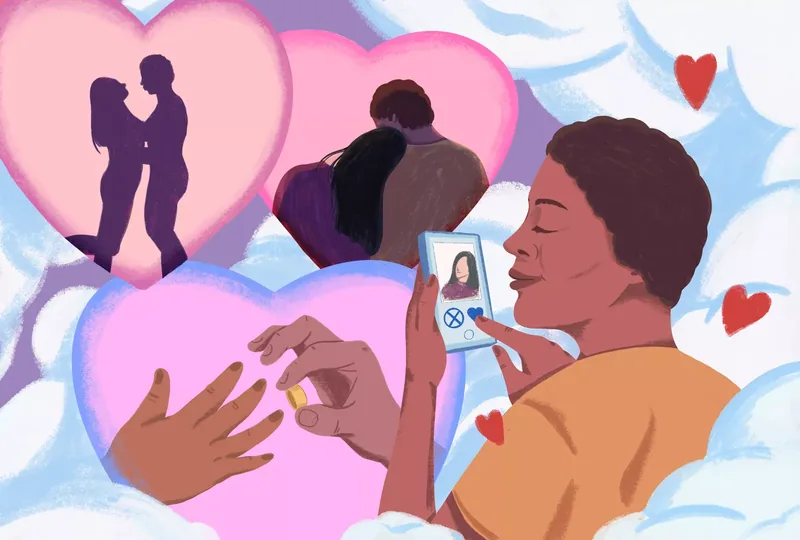
Are you someone who believes in epic love stories, perhaps even a little too much? This guide will help you discover if you embody the spirit of a true hopeless romantic, someone who approaches love with an idealized, often storybook, perspective. While this can infuse relationships with profound hope and positivity, it also comes with unique challenges. Understanding these traits, especially in the evolving landscape of 2025 relationships, is key to fostering genuinely fulfilling connections. By recognizing the signs and adopting mindful strategies, you can harness your deep capacity for love into healthy, lasting bonds.
Table of Contents
- Unpacking the True Hopeless Romantic Persona
- The Definitive Signs You’re a True Hopeless Romantic
- Navigating the Highs and Lows of Romantic Idealism
- Cultivating Healthier Romantic Habits in 2025
- Seeking Support: When Professional Guidance Helps
- Addressing Common Questions About True Hopeless Romantics
1. Unpacking the True Hopeless Romantic Persona
A true hopeless romantic is someone with an overwhelmingly optimistic, often idealized, outlook on love and relationships, frequently viewing them through a fairy-tale lens. This perspective often entails a profound belief that love can conquer all obstacles, regardless of past heartbreaks or present challenges. It’s a mindset where the desire to give and receive love is so potent that it can sometimes overshadow reality, leading individuals to project a fantasy version onto their partners rather than seeing them for who they truly are. This isn’t just about enjoying romantic gestures; it’s a fundamental way of engaging with the world of intimacy and connection.
In 2025, where dating apps and diverse relationship models are prevalent, the true hopeless romantic might find themselves navigating a complex terrain. They often enter new connections with an inherent belief in “the one” and a vision of a “happily ever after,” a narrative deeply ingrained from rom-coms and classic literature. This intense idealism, while beautiful in its capacity for hope, can also lead to significant emotional vulnerability. The romantic idealist’s heart is always open, eager to experience profound connection, but this openness requires careful management to prevent disappointment when reality inevitably diverges from the dream. Relationship experts suggest that while this positive orientation towards love is admirable, it becomes crucial to balance it with a grounded understanding of human complexity and real-world dynamics (Harvard, 2024). This persona isn’t merely about loving love; it’s about a deep-seated conviction in its transformative power, often seeking that profound connection above all else. Understanding this core definition is the first step in recognizing and embracing or adjusting these powerful romantic tendencies.
2. The Definitive Signs You’re a True Hopeless Romantic
Recognizing the signs is key to understanding if you embody the spirit of a true hopeless romantic. These traits, while endearing, can also highlight areas for self-awareness and growth in your romantic journey.
You Live for Fairy Tales and Dream of Grand Romances
If your comfort movies are always romantic comedies or classic love stories, and you find yourself imagining elaborate proposals or storybook endings, you likely possess this trait. A true hopeless romantic doesn’t just enjoy these narratives; they often internalize them as blueprints for their own love life. You might find yourself crafting detailed fantasies about what your ultimate relationship will look like, down to the smallest gestures and declarations of love. This isn’t just a fleeting thought; it’s a persistent vision that shapes your expectations for every person you date. For instance, you might envision a partner sweeping you off your feet with a spontaneous trip, much like a scene from a beloved film, rather than a quiet evening at home. This constant search for cinematic romance can be a powerful driver in your relationships.
You Dive Headfirst into New Relationships
When a new connection sparks, a true hopeless romantic tends to accelerate through the early stages of dating. Instead of a gradual getting-to-know-you period, you might quickly become emotionally invested, fantasizing about a long-term future after just a few dates. This rapid attachment often involves intense mental replays of conversations, overanalyzing every interaction, and forecasting elaborate scenarios for your shared future. This creates an accelerated sense of intimacy that might not yet be grounded in actual shared experiences or deep understanding. For example, after a memorable first date, you might already be picturing holiday celebrations or even future children with this new person, before truly understanding their core values or long-term goals. This eagerness to commit can sometimes lead to overlooking crucial compatibility factors.
You Place Partners on an Unreachable Pedestal
A hallmark of a true hopeless romantic is the tendency to idealize a partner, often elevating them to a near-perfect status. You’re constantly seeking “the one,” and each new person you date might appear to fit that mold, at least initially. This idealization can be so strong that it overrides your actual experiences with them, making it challenging to acknowledge their flaws or negative qualities. You might find yourself excusing behaviors or interpreting them in the most positive light possible, simply because you want them to be the person of your dreams. For instance, if a partner is consistently late, you might rationalize it as “charming disorganization” rather than a lack of respect for your time, because admitting the latter would chip away at your idealized image.
You Give Your All, Often Unequally
You are typically incredibly generous with your time, effort, and emotional energy in every relationship. A true hopeless romantic believes in demonstrating love through grand gestures and consistent devotion. This might manifest as spending significant amounts of money on lavish dates, thoughtful gifts, or going above and beyond to support your partner’s goals. While admirable, this giving can become problematic if your partner isn’t reciprocating at a similar level, leading to an imbalance. You might pour your heart into planning a surprise anniversary trip, only to receive a last-minute, minimal gesture in return, leaving you feeling undervalued despite your immense effort. This one-sided investment often stems from the hope that your love will inspire equal devotion.
You Overlook Glaring Red Flags
Perhaps one of the most challenging aspects for a true hopeless romantic is the propensity to ignore warning signs in a relationship. Your desire for the fairy tale can be so powerful that you actively suppress or rationalize away behaviors that would typically signal incompatibility or toxicity. You become more focused on “casting the role” of your perfect partner than genuinely getting to know the individual before you. This might mean excusing emotional unavailability, inconsistent communication, or even disrespectful behavior, all in the name of preserving your idealized vision of the relationship. For instance, if a partner frequently cancels plans last minute without a valid explanation, you might tell yourself they’re just “busy and driven” rather than acknowledging a potential lack of commitment or consideration. This selective blindness can prevent you from forming a relationship grounded in reality and mutual respect.
3. Navigating the Highs and Lows of Romantic Idealism
Being a true hopeless romantic is a double-edged sword, offering both profound joys and significant challenges in the pursuit of love. On the positive side, this deeply optimistic outlook can be incredibly empowering. It allows you to approach relationships with an open heart, ready to embrace vulnerability and believe in the best in others, even after experiencing past heartbreaks (Harvard, 2024). This resilience and unwavering hope can make you a wonderfully passionate and devoted partner, capable of seeing potential and beauty where others might only see flaws. Your belief in enduring love can inspire profound commitment and a willingness to work through difficulties, enriching the lives of those you connect with. In 2025, amidst a sometimes cynical dating landscape, a true hopeless romantic can bring a refreshing sense of wonder and genuine excitement to new connections.
However, the flip side of this idealism can lead to considerable disappointment and emotional strain. When your meticulously crafted fairy-tale expectations clash with the messy reality of human relationships, the fall can be hard. Unrealistic idealization prevents you from truly seeing your partner and the relationship for what it is, rather than what you desperately wish it to be. This can manifest in a constant feeling of being let down, as no real-world partner or dynamic can possibly live up to the perfect image you hold in your mind. Research consistently shows that unrealistic expectations are a significant predictor of lower relationship satisfaction and can negatively impact mental well-being (Harvard, 2024). For example, if you expect your partner to intuitively know your every need and fulfill it without you having to communicate, you’re setting both of you up for frustration. The challenge for a true hopeless romantic lies in finding a balance: maintaining your beautiful capacity for hope and love, while simultaneously grounding your expectations in realistic, empathetic understanding of imperfect human connections. This nuanced approach allows for the cultivation of genuine intimacy, built on reality rather than fantasy, ultimately leading to more sustainable and fulfilling relationships.
4. Cultivating Healthier Romantic Habits in 2025
For the true hopeless romantic, channeling that incredible capacity for love into healthier, more sustainable relationship patterns is a powerful journey. In the contemporary dating scene of 2025, where connections can form rapidly online, it’s more crucial than ever to develop practices that foster true intimacy and prevent disillusionment. The goal isn’t to extinguish your romantic flame, but to temper it with realism and self-awareness, allowing your love to flourish authentically.
A foundational strategy involves evaluating potential partners holistically. Instead of focusing solely on the charming qualities that fit your ideal, make a conscious effort to reflect on all aspects of a person. Create a mental or even written list of what you genuinely like, dislike, and feel uncertain about. This isn’t about finding perfection, but about acknowledging the full spectrum of their personality and behaviors. For example, if you’re drawn to someone’s adventurous spirit, also consider their tendency to be spontaneous to a fault, which might clash with your need for stability. This comprehensive view helps you identify potential incompatibilities early on, rather than glossing over them in pursuit of the fantasy. It forces you to engage with the reality of the individual, fostering a more grounded understanding of who they are beyond your projections.
Next, it’s vital to know your needs and set clear boundaries. Before entering a new relationship, take time to understand your core values, your non-negotiables, and the kind of treatment you truly deserve. Be explicit with yourself about what you will and won’t accept. This self-awareness acts as a protective shield against compromising your standards out of fear of being alone or the desperate hope of finding love. If you know you need consistent communication, don’t settle for someone who only texts you once a week, telling yourself it’s just part of their “mysterious charm.” Setting boundaries means communicating these needs respectfully and being prepared to walk away if they are consistently violated. This empowers you to seek partners who genuinely align with your well-being, rather than simply filling a romantic void.
Finally, recognize and cultivate your inherent strengths and self-worth. A true hopeless romantic often seeks external validation through love, but true relationship health stems from internal security. Spend time identifying your unique talents, values, and emotional resilience. Understand that your identity is rich and complete outside of a romantic partnership. This self-recognition helps prevent the unhealthy idealization of a partner as a means to complete yourself or avoid loneliness. For example, pursue hobbies that bring you joy, invest in strong friendships, or challenge yourself professionally. When you feel capable and whole on your own, you’re less likely to overlook red flags or accept less-than-ideal treatment in the desperate pursuit of love. This robust sense of self allows you to approach relationships from a place of abundance and choice, rather than scarcity and need, paving the way for truly equitable and fulfilling connections in 2025 and beyond.
5. Seeking Support: When Professional Guidance Helps
For a true hopeless romantic, the journey of balancing idealism with reality can sometimes feel overwhelming, especially when past patterns of disappointment or unhealthy relationships persist. It’s important to recognize that seeking professional help is a sign of strength, offering a structured and empathetic environment to explore the deeper roots of your romantic tendencies. Mental healthcare professionals, such as therapists or counselors, are equipped to provide invaluable guidance in navigating these complex emotional landscapes. In 2025, with increasing awareness around mental wellness, accessing support for relationship challenges has become more normalized and accessible than ever.
Often, the intense idealization of partners, a hallmark of the true hopeless romantic, stems from underlying fears: the fear of being hurt, the fear of loneliness, or the fear of abandonment. These deeply ingrained anxieties can unconsciously drive you to project perfection onto others, creating a protective fantasy that shields you from uncomfortable truths. A therapist can work with you to gently uncover these fears, helping you understand why you tend to deflect from seeing a partner’s negative qualities. Through guided introspection and therapeutic techniques, you can begin to process past experiences that might have contributed to these coping mechanisms, creating space for healthier patterns to emerge. This process isn’t about eradicating your romantic spirit, but about understanding its origins and learning to manage its more challenging aspects.
Furthermore, a professional can equip you with practical tools to cope with uncomfortable feelings of fear or insecurity. Rather than ignoring red flags or clinging to an idealized image, you can learn strategies to tolerate the discomfort that comes with seeing reality clearly. This might involve developing stronger emotional regulation skills, practicing mindfulness to stay present, or learning assertive communication techniques to express your needs and boundaries effectively. These skills are crucial for building resilience and navigating the inevitable ups and downs of any real relationship. A therapist can also help you identify patterns of unhealthy attachments that might be contributing to your struggles. By understanding your attachment style, you can learn to form more secure and balanced connections, moving away from cycles of idealization and disappointment. They can provide a safe space to practice new ways of relating, building confidence in your ability to foster genuinely healthy and fulfilling romantic partnerships. Ultimately, therapy empowers the true hopeless romantic to harness their profound capacity for love in a way that is both passionate and grounded, leading to greater well-being and more authentic relationships.
6. Addressing Common Questions About True Hopeless Romantics
Understanding the nuances of being a true hopeless romantic often brings up several common questions. Here, we address some of the most frequent inquiries, providing clear, concise answers that offer further insight into this unique romantic disposition, especially relevant for those navigating relationships in 2025.
Do True Hopeless Romantics Fall in Love Easily?
Yes, true hopeless romantics do tend to fall in love easily and become deeply invested in relationships very quickly. This stems from their idealized view of romance and an inherent optimism that always sees the glass as half full when it comes to potential partners. They often perceive early connections as highly significant, rapidly forming intense emotional bonds and envisioning a future with someone after only a short period. This rapid emotional attachment is a defining characteristic of their approach to love.
Is Being a True Hopeless Romantic Toxic?
Being a true hopeless romantic isn’t inherently toxic. It can be a beautiful trait, fostering hope and deep affection. However, it can become harmful or toxic if certain aspects lead to unhealthy patterns. This includes having unrealistic expectations that no one can possibly live up to, causing constant disappointment. It can also be harmful if your tendency to idealize relationships causes you to overlook significant red flags or accept unacceptable behavior. Furthermore, if your intense focus on finding “The One” leads you to neglect other crucial aspects of your life, like friends, family, or career, it can become problematic. If your romantic expectations are consistently hurting your mental health, your partner, or the relationship dynamic itself, then professional intervention may be beneficial.
Can a True Hopeless Romantic Change Their Ways?
Absolutely. While the core inclination towards romantic idealism may be deeply ingrained, a true hopeless romantic can certainly learn to temper their expectations and cultivate healthier relationship habits. This involves developing greater self-awareness, practicing realistic assessment of partners, setting clear boundaries, and building self-worth independent of a relationship. It’s a journey of growth, not eradication, allowing them to maintain their beautiful capacity for love while fostering more grounded and sustainable connections. With conscious effort and, if needed, professional guidance, a true hopeless romantic can transform their approach to love for the better.
What’s the Difference Between a Hopeless Romantic and a Realistic Romantic?
A true hopeless romantic primarily operates from an idealized, often fairy-tale vision of love, sometimes overlooking real-world complexities and flaws in pursuit of “perfection.” A realistic romantic, on the other hand, approaches love with an open heart but also with a clear understanding of human imperfection and the challenges inherent in any relationship. They appreciate grand gestures but value consistent effort, communication, and mutual respect equally. While both desire deep connection, the realistic romantic is grounded in present reality, embracing the beauty of imperfect love, whereas the hopeless romantic often strives for an unattainable ideal.