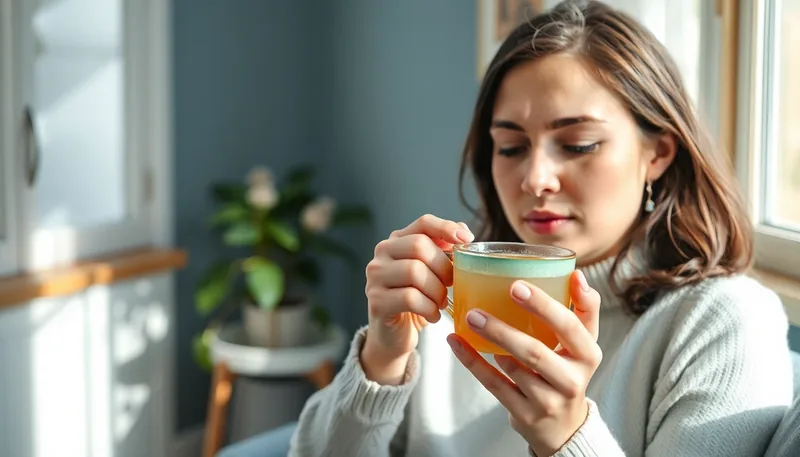
In a world increasingly seeking natural remedies, valerian root often emerges as a popular choice for anxiety. But before you reach for this ancient herb, consider this: the widespread belief in its potent anxiety-curing powers might be more folklore than fact. Many individuals grapple with the question, should you take valerian to manage their social anxiety or general nervousness? While generally considered safe for short-term use and may offer mild calming effects, robust scientific evidence supporting valerian root as an effective treatment for diagnosed anxiety disorders like social anxiety disorder (SAD) remains limited. It is not approved by the FDA for any medical use, underscoring the critical need for an informed perspective.
Valerian Root: An Ancient Remedy Reimagined
Derived from the flowering plant Valeriana officinalis, native to Europe and Asia, valerian root has a history stretching back thousands of years. Ancient civilizations revered it for its sedative qualities, applying it to a diverse range of ailments from digestive issues to headaches. Today, its primary reputation rests on its potential to alleviate sleep disturbances and mild feelings of anxiety. Despite its long-standing use, it's crucial to remember that valerian root, like many herbal supplements, lacks FDA approval for any specific medical application. Nonetheless, it is broadly regarded as safe for healthy adults when used for short durations (NCCIH, 2023).
The Science of Calm: How Valerian Interacts with Your Brain
The precise mechanism by which valerian root might influence anxiety is not fully understood, yet prevailing theories point to its potential interaction with gamma-aminobutyric acid (GABA) in the brain (Clinical Psychology Review, 2022). GABA, an inhibitory neurotransmitter, plays a crucial role in calming the central nervous system by reducing nerve transmission. This action is thought to contribute to the mild sedative and tranquilizing effects attributed to valerian, though these are generally less pronounced than those of prescription medications.
While some studies suggest a benefit for anxiety, many of these investigations have been small-scale or hampered by methodological limitations, making their results less conclusive. A meta-analysis examining discrepancies in research outcomes suggested that the variable quality and inconsistent standardization of valerian extracts used in studies could be a significant factor (Journal of Evidence-Based Complementary & Alternative Medicine, 2020). This highlights a critical challenge: without better regulation and consistency in supplement production, robust scientific consensus remains elusive.
Despite its widespread use, conclusive scientific evidence firmly establishing valerian root's effectiveness for treating diagnosed anxiety disorders, such as social anxiety disorder (SAD), is insufficient (Sleep Medicine Reviews, 2015). However, anecdotal reports from individuals who regularly use the supplement often describe feelings of increased calmness, reduced nervous tension, and alleviation of stress. Some healthcare providers have even noted positive feedback from patients regarding its calming properties (Psychiatric Clinical Psychopharmacology, 2019).
For instance, someone facing a stressful situation like a major public speaking engagement or a critical job interview might find the perceived calming effect of valerian root helpful for mild, temporary jitters. Similarly, a student grappling with pre-exam nerves might consider it for a subtle edge of composure. Yet, it's imperative to understand that these subjective experiences do not equate to a validated treatment for chronic or clinical anxiety conditions. Valerian root may foster a sense of tranquility, but it is unequivocally not a substitute for professional diagnosis and treatment of anxiety disorders.
Navigating Valerian Root: Dosage and Forms
Valerian supplements are typically derived from the plant's roots, though dried stems or other extracts can also be utilized. This versatile herb is available in several convenient forms, catering to different preferences:
- Capsules
- Tablets
- Teas
- Tinctures
There is no universally accepted "best" preparation or dosage for anxiety, largely due to the variability in research and product standardization. However, many studies exploring valerian's effects have employed daily dosages ranging from 400 to 600 milligrams. A prudent approach involves commencing with a lower dose and gradually increasing it, allowing you to ascertain the optimal amount for your individual needs. For those primarily seeking sleep support, valerian is often recommended 30 minutes to two hours before bedtime, with typical insomnia dosages ranging from 300 to 600 mg of liquid extract or 2 to 3 grams of dried root equivalent. Lower doses may be considered for general nervous tension or when combined with other calming supplements.
Before you consider, should you take valerian, always scrutinize the product label for specific instructions and, critically, engage in a discussion with a qualified healthcare professional. Their guidance is invaluable in determining an appropriate dose and form, especially given the unregulated nature of many herbal supplements.
Important Considerations: Risks, Interactions, and Safety
Integrating valerian root with certain medications can lead to increased drowsiness and other adverse effects. Particular caution is advised if you are currently taking:
- Barbiturates (e.g., phenobarbital)
- Benzodiazepines (commonly prescribed for anxiety)
- Narcotics (such as codeine)
- Over-the-counter cold and sleep remedies that contain sedatives
- Selective Serotonin Reuptake Inhibitors (SSRIs) and other antidepressants, including MAOIs
Always consult the product insert and, more importantly, discuss potential interactions with your pharmacist or healthcare provider before combining valerian with any prescription or over-the-counter drugs (NCCIH, 2023).
Certain populations should unequivocally avoid valerian root. This includes pregnant or nursing women, as well as individuals diagnosed with liver disease (Rev Colomb Gastroenterol, 2019). While valerian is generally not associated with the risk of dependency seen with some prescription sleep aids--and has even been explored in contexts like benzodiazepine withdrawal management (Progress in Neuropsychopharmacology & Biological Psychiatry, 2002)--its long-term use should still be supervised by a healthcare professional.
Furthermore, because valerian can induce drowsiness, it is paramount to understand its individual effects on you before operating heavy machinery or engaging in activities requiring full alertness. A critical point to remember is that the U.S. Food and Drug Administration (FDA) does not regulate herbal supplements with the same rigor as pharmaceuticals. This means that many products are not thoroughly tested for purity, potency, or safety, and there's no guaranteed consistency in ingredients. Therefore, if you're asking yourself, should you take valerian for social anxiety, a comprehensive discussion with your doctor is not just wise, but essential to ensure safety and appropriateness.
Common Questions About Valerian Root
For those considering this herbal option, several practical questions frequently arise:
What are the side effects of valerian root?
Side effects from valerian root are uncommon but can include mild symptoms such as headache, an upset stomach, feelings of daytime drowsiness, and dizziness (NCCIH, 2023).
How long does valerian root stay in your system?
The various compounds within valerian root are metabolized at different rates. For instance, valerenic acid, a key compound, has an elimination half-life of approximately 1.1 hours (Phytotherapy Research, 2005). Generally, the noticeable clinical effects of valerian root tend to dissipate within about four to six hours (Nutritional and Herbal Therapies for Children and Adolescents, 2010).
Where can I buy valerian root, and how to choose a quality product?
Valerian root is readily available over-the-counter at various retailers specializing in herbal supplements. Given the lack of stringent FDA regulation for herbal remedies in the U.S., selecting a high-quality product is paramount. Look for supplements, teas, or liquid extracts that have been certified by independent third-party agencies. Reputable organizations like NSF International, ConsumerLab, or the U.S. Pharmacopeia (USP) offer seals of approval, indicating that the product has been tested for purity, potency, and absence of contaminants (US Pharmacopeia, 2023).
Ultimately, the decision of whether should you take valerian for anxiety is a personal one, best made in consultation with a healthcare professional. While some individuals report subjective benefits for mild stress and nervous tension, it is not a scientifically proven treatment for clinical anxiety disorders like social anxiety. It serves as a gentle aid for temporary calmness or sleep, rather than a robust therapeutic intervention. Prioritize evidence-based treatments, and view valerian root as a potential complementary tool only after thorough discussion with your doctor, ensuring it aligns with your overall health strategy and doesn't interfere with other medications.