Imagine waking up, not just knowing how much sleep you got, but understanding the cellular story behind your recovery. According to recent studies, biomarkers in your blood can reveal insights into everything from inflammation to hormonal balance, impacting your daily energy and long-term health (Harvard, 2024). For many, this level of detail feels like a futuristic dream, but Whoop is making it a tangible reality.
Whoop Deepens Its Health Platform
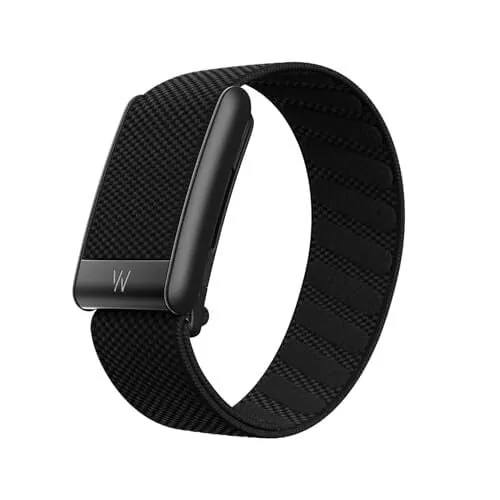
Whoop, a company that built its reputation on tracking sleep and recovery, is significantly expanding its health and wellness offerings. Beyond its already robust wearable data, members can now access a more sophisticated level of personal health analysis through blood testing. This move signals Whoop's ambition to become a comprehensive health hub, integrating continuous biometric data with crucial laboratory insights.
Last fall, Whoop introduced Advanced Labs, a service that partnered with Quest Diagnostics for in-person blood draws. This initial offering provided a broad look at 65 biomarkers, complete with clinician-reviewed reports and actionable plans integrated directly into the Whoop app. It was a notable step for a company primarily known for its wrist-worn tracker.
Now, the company is rolling out "Specialized Panels", a new suite of targeted blood tests. This evolution allows users to delve deeper into specific areas of concern, moving beyond general wellness checks to focus on goal-based health metrics. The primary keyword, whoop wants to test, encapsulates this new direction perfectly.
What Are the Specialized Panels?
The Specialized Panels are designed for users who want to zero in on particular aspects of their health. For a one-time fee of $299, members can select from five distinct panels, each covering between 75 and 89 biomarkers. These are not subscription-based like the previous comprehensive offering; they are standalone purchases, whether you subscribe to Advanced Labs or not. This flexibility is key to Whoop's strategy of providing focused, actionable data.
Here's a look at the five specialized panels:
- Heart Health: For individuals focused on cardiovascular well-being, this panel examines key indicators of heart function and risk factors.
- Performance: Athletes and fitness enthusiasts can monitor markers related to energy production, muscle recovery, and endurance. For instance, tracking iron levels and certain hormones can optimize training intensity and prevent burnout.
- Metabolic Function: This panel offers insights into how your body processes energy, crucial for managing weight, blood sugar, and overall metabolic health. Understanding these metrics can be a game-changer for those managing conditions like prediabetes.
- Women's Health: Designed to address the unique biological needs of women, this panel investigates hormonal fluctuations, thyroid function, and nutrient sufficiency relevant to reproductive health and aging.
- Men's Health: Similarly, this panel focuses on biomarkers pertinent to male physiology, such as hormone levels and indicators of prostate health.
The mechanics are designed for convenience. Users select a panel via the Whoop app, schedule an appointment at a Quest Diagnostics location, and the results are automatically synced back. Whoop's AI then interprets these results, providing clinician-reviewed insights that are layered onto your existing continuous data from the wearable. This integration aims to offer a holistic view, connecting your daily habits with your underlying biology.
The specificity of these panels is impressive. Take the Women's Health panel, for example. It includes biomarkers like Anti-Müllerian Hormone (AMH) to assess ovarian reserve, thyroid markers to understand metabolic regulation, and various nutrient indicators. Paired with Whoop's sleep and recovery data, these tests can help users navigate complex life stages like perimenopause or understand conditions affecting bone health (Mayo Clinic, 2023). It's a powerful way for whoop wants to test your body's specific needs.
Considerations Before You Test
While the insights offered by Whoop's Specialized Panels are compelling, it's crucial to approach them with informed consideration. The $299 price tag, in addition to the Whoop membership fee, represents a significant investment. More importantly, AI-generated insights, while helpful, are not a substitute for professional medical advice.
The nuances of individual health conditions, family history, and lifestyle factors are best discussed with a qualified healthcare provider. Whoop's platform provides data and interpretations, but a doctor can offer personalized context and guidance that AI cannot replicate. It's a tool to empower conversations with your doctor, not to replace them.
Another critical aspect is data privacy. Whoop states that it employs end-to-end encryption and strict access controls, and does not train its AI on personally identifiable data. However, the blood draws are handled by Quest Diagnostics, whose privacy policy indicates that personal health information can be shared with third parties for various purposes, including marketing and analytics. Users should carefully review Quest's privacy practices before proceeding. As whoop wants to test more aspects of our health, understanding where your data goes is paramount.
The line between consumer wearables and medical devices continues to blur. Whoop's foray into detailed blood testing is a significant step in this evolution. It highlights a growing trend where technology aims to provide deeper, more personalized health information, empowering individuals to take a more proactive role in their well-being. The question for consumers isn't just about whether whoop wants to test, but how they will use that information to drive meaningful health outcomes.