The silence in your apartment echoes louder than usual, each tick of the clock a reminder of the person who isn't there. You scroll through old messages, a familiar ache tightening in your chest, wondering how a connection so vibrant could leave you feeling so hollow. This isn't just a bad mood; it's the profound, disorienting experience of being lovesick. It's a state where longing for a loved one grips you so tightly that it can feel like a physical illness, impacting your energy, appetite, and even your ability to focus on daily tasks. You're not alone in this feeling; it's a deeply human experience that has inspired poets and artists for centuries. But understanding what's happening is the first step toward finding your way back to yourself.
What Does It Mean to Be Lovesick?
Feeling lovesick is more than just missing someone; it's an intense emotional and sometimes physical yearning for a person you're deeply connected to, or once were. This profound sense of longing can leave you feeling unwell, affecting your overall well-being. It's a state that often intertwines with grief, and it can surface for a variety of reasons.
Perhaps you've gone through a painful breakup or divorce, leaving a void that feels impossible to fill. Or maybe you're experiencing a growing disconnection from a current partner, where the intimacy you once shared seems to have faded, leaving you feeling adrift. Sometimes, it's the sting of being ghosted - a sudden, unexplained absence from someone you were excited about - that leaves you reeling. Even the loss of a loved one to death, or the quiet ache of unrequited love, can trigger these intense feelings of yearning and sorrow.
Signs You're Feeling Lovesick
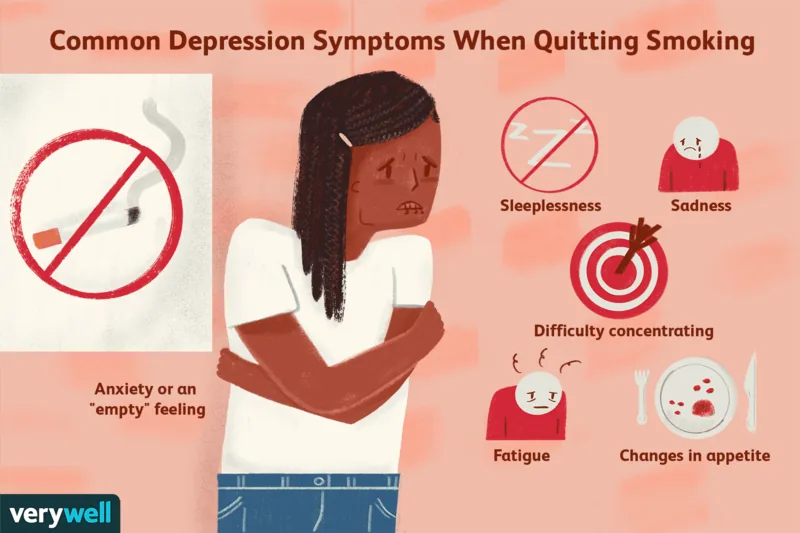
Before you can begin to heal, it's crucial to identify what you're experiencing. The symptoms of lovesickness can often mimic those of depression, making it easy to dismiss them as simply a "bad day." You might notice a significant drop in your usual energy levels, or find your sleep patterns disrupted - either sleeping too much or too little. Changes in appetite, whether a loss of interest in food or an increased craving for comfort, are also common.
The phrase "broken heart" isn't just a metaphor; for some, the intense emotional pain of lovesickness can manifest physically. This phenomenon, sometimes referred to as stress-induced cardiomyopathy, can cause chest pain as your body surges with stress hormones (American Heart Association, n.d.).
Beyond the physical, your mental landscape can shift dramatically. You might find yourself hyper-fixated on the person you're missing, making it difficult to concentrate on work, hobbies, or even simple daily routines. Compulsively checking your phone for messages or notifications becomes a default action. The emotional fallout can be equally devastating. If you've been rejected or ghosted, feelings of worthlessness or a blow to your self-confidence are common. Experiencing a disconnect with a current partner might bring on fear, betrayal, or confusion. In cases of unrequited love, shame or the feeling of being invisible can weigh heavily on you.
How to Cope and Heal
Navigating the depths of lovesickness requires a delicate balance of acknowledging your pain and practicing mindful self-care. The first step is self-awareness: pay attention to how you're truly feeling and behaving. Are you withdrawing from friends and family? Are your eating and sleeping habits significantly off? Are obsessive thoughts about the person consuming your mind?
It's vital to ground yourself and seek equilibrium. Allow yourself the space to feel your emotions fully, but also establish gentle boundaries around how long you'll allow yourself to dwell on them. This might look like setting aside 30 minutes each day for journaling, pouring out your thoughts and feelings, and then consciously redirecting your attention when your mind inevitably drifts back to what you're missing.
Keeping yourself thoughtfully occupied can also be a powerful tool. This isn't about avoiding your feelings, but rather about re-engaging with life in meaningful ways. Invest time in hobbies that bring you genuine joy, reconnect with friends and family, and prioritize self-care activities. Whether it's reading a good book, spending time in nature, taking a long bath, or pursuing a creative outlet like painting or gardening, these activities can help restore your sense of self.
Furthermore, incorporating healthy habits into your daily routine can significantly boost your mood and resilience. Regular exercise, such as a brisk walk or a jog, has been shown to positively impact mental well-being (Damrongthai et al., 2021). A balanced diet and consistent meditation practice can also provide a strong foundation for emotional recovery.
When to Seek Support
While self-care and healthy habits are essential, there are times when the weight of lovesickness feels too heavy to bear alone. Reaching out for additional support can make a profound difference. This might mean confiding in a trusted friend or family member, sharing your grief, gaining a new perspective, or simply feeling heard and validated.
For more complex or persistent feelings, seeking professional help from a therapist can be invaluable. A therapist can guide you through your array of emotions, help you understand the root causes of your lovesickness, and equip you with strategies to rebuild your self-confidence and reclaim your joy. They can offer a safe space to process grief, attachment patterns, and the intricate emotional landscape that comes with deep longing (Leary, 2015).
If intense feelings of love and longing are significantly impacting your physical health, work, or other relationships, seeking professional guidance is a sign of strength, not weakness. Remember, you don't have to navigate this alone. Be kind to yourself, celebrate small victories in your healing journey, and know that with time and support, you can move through this experience and rediscover your emotional balance.