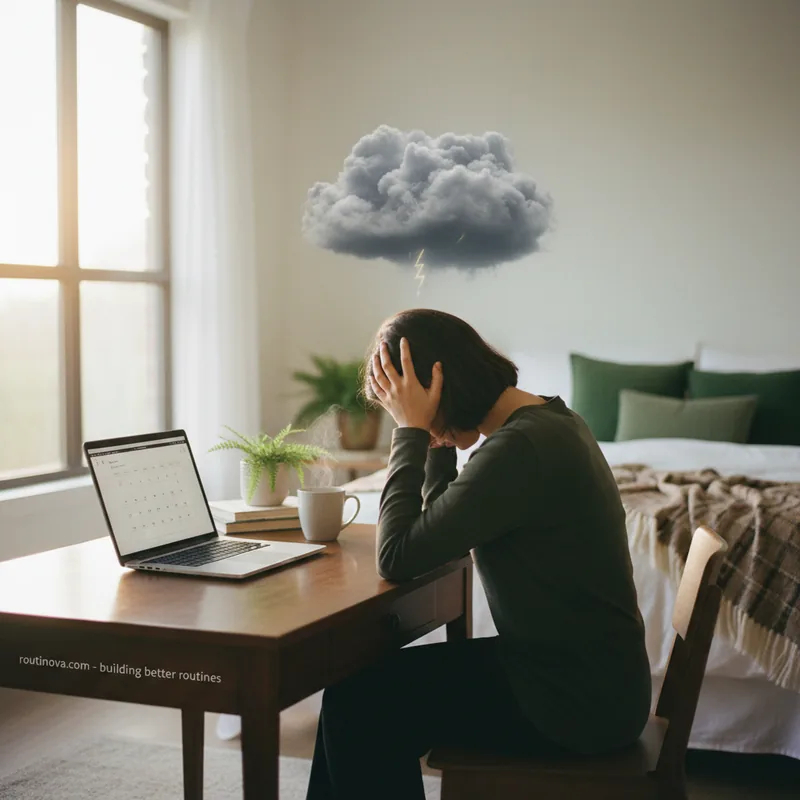
If you've ever heard or used the phrase 'mentally unstable,' you're likely trying to describe someone struggling with their inner world. But here's the uncomfortable truth: this term, while common, is deeply flawed and stigmatizing. It paints a broad, often negative, picture that completely misses the nuances of genuine mental health conditions. Instead of offering clarity, it creates distance and judgment. Let's unpack what does term mentally unstable truly mean to people, and why moving beyond it is essential for fostering a more compassionate understanding of mental well-being. The good news? We can learn to speak with more precision and empathy, creating a healthier dialogue around mental health.
Redefining "Mentally Unstable": A Crucial Conversation
The phrase 'mentally unstable' might feel descriptive, but it's a relic of a less informed era. It's not a clinical diagnosis, nor does it accurately reflect the complex spectrum of human experience. Think about it: when someone says, 'what does term mentally unstable' imply, they often conjure images of unpredictability or even danger. This perception fuels stigma, making it harder for individuals to seek help and for society to offer genuine support (Stubbe, 2017). The shift toward terms like 'mental health condition' or 'mental health disorder' is not just about political correctness; it's about accuracy, respect, and reducing the pervasive shame associated with these challenges.
Recognizing the Signs: When Support is Needed
It's easy to dismiss changes in someone's behavior, but sometimes, those shifts are quiet alarms signaling a deeper struggle. Spotting the early indicators of a mental health condition isn't about diagnosing, but about recognizing when a friend, family member, or even you, might need a compassionate conversation or professional guidance. What most people don't realize is how varied these signs can be, often manifesting subtly before becoming more pronounced.
Common indicators that someone might be navigating a mental health challenge include:
- Sudden, dramatic mood swings: One day they're fine, the next they're overwhelmed by sadness or irritability.
- Intense anxiety or paranoia: A constant feeling of unease, excessive worry, or unwarranted suspicion about others.
- Disrupted sleep patterns: Insomnia or sleeping excessively, far beyond typical fatigue.
- Withdrawal from social life: Losing interest in activities they once loved, or actively avoiding friends and family.
- Difficulty with focus and concentration: Struggling to complete tasks, follow conversations, or stay engaged.
- Unusual thoughts or perceptions: Experiencing delusions (fixed false beliefs) or hallucinations (seeing/hearing things that aren't there).
- Self-harm or suicidal thoughts: A critical sign requiring immediate attention.
If you are having suicidal thoughts, please contact the National Suicide Prevention Lifeline at 988 for support and assistance from a trained counselor. If you or a loved one are in immediate danger, call 911. Remember, recognizing these signs is the first step toward offering help, not judgment. You don't need to know what does term mentally unstable mean to understand that someone is hurting.
Common Mental Health Conditions: Beyond the Labels
When we move past vague labels, we find a landscape of distinct conditions, each with its own complexities. Understanding these helps us offer targeted support and reduce the mystery surrounding mental health. Here's a look at some common mental health disorders, illustrating just how diverse these experiences can be:
Anxiety Disorders
Anxiety isn't just everyday worry; it's an overwhelming, persistent fear that can hijack daily life. It's the most prevalent mental health disorder in the United States, impacting millions (NIMH, 2023). Imagine racing thoughts that never quiet, a constant knot in your stomach, or a pervasive sense of dread that makes simple tasks feel monumental. Physical symptoms like sweating, trembling, and difficulty breathing are also common. For example, someone with social anxiety might avoid job interviews or social gatherings, missing out on crucial life experiences (Stubbe, 2017).
Depression
More than just 'feeling down,' depression casts a long shadow over everything. It's a persistent sadness, a profound loss of interest or pleasure in activities, and often, a crushing fatigue that makes getting out of bed feel impossible. Appetite changes, difficulty concentrating, and feelings of worthlessness are also hallmarks. This isn't something one can simply 'snap out of'; it's a profound medical condition (NIMH, 2023).
Bipolar Disorder
Bipolar disorder creates extreme mood swings, oscillating between periods of intense energy and euphoria (mania) and deep despair (depression). During manic phases, individuals might experience decreased need for sleep, rapid speech, reckless behavior, and inflated self-esteem. The depressive phases, however, mirror major depression, often leaving individuals feeling hopeless and lethargic (NIMH, 2023). It's a challenging condition that requires careful management.
Schizophrenia
This is a severe and chronic mental health condition that affects how a person thinks, feels, and behaves. People with schizophrenia may seem like they have lost touch with reality. Symptoms can include delusions, hallucinations, disorganized thinking and speech, and a lack of motivation. These experiences can make maintaining relationships and daily functioning incredibly difficult (Sheffield, 2018).
Post-Traumatic Stress Disorder (PTSD)
PTSD can emerge after experiencing or witnessing a traumatic event. It's not just a bad memory; it's a persistent re-experiencing of the trauma through flashbacks, nightmares, and intrusive thoughts. Individuals often avoid anything that reminds them of the event, leading to significant distress and disruption in their lives (NIMH, 2023). A veteran might struggle with loud noises, or a survivor of an accident might avoid driving, for instance.
Obsessive-Compulsive Disorder (OCD)
OCD involves a cycle of obsessions (unwanted, intrusive thoughts, images, or urges that cause distress) and compulsions (repetitive behaviors or mental acts performed to reduce the distress or prevent a dreaded event). For example, a person might have an overwhelming fear of contamination and feel compelled to wash their hands hundreds of times a day, severely impacting their ability to work or socialize (Harvard Health, 2024).
Eating Disorders
Conditions like anorexia nervosa, bulimia nervosa, and binge eating disorder involve severe disturbances in eating behaviors and related thoughts and emotions. These are not simply about food; they're complex mental health conditions with serious physical and psychological consequences, often driven by distorted body image and a desperate need for control (Mayo Clinic, 2023). For example, someone with anorexia might restrict food intake to the point of severe malnutrition, while someone with bulimia might engage in cycles of binge eating and purging.
If you're concerned about any of these conditions, remember that a mental health professional is the best resource for assessment and diagnosis. They can help clarify what does term mentally unwell mean in a specific context.
The Ripple Effect: How Mental Health Impacts Life
A mental health condition doesn't exist in a vacuum; its symptoms can create a cascading effect, touching nearly every aspect of a person's life. The impact extends far beyond individual distress, affecting relationships, work, and even physical well-being. It's a profound challenge that can disrupt the very foundations of daily living.
Consider these common ways mental health conditions can cast a long shadow:
- Challenges at work or school: Concentration falters, motivation wanes, and completing tasks becomes an uphill battle, often leading to missed deadlines or academic struggles.
- Strain on relationships: Irritability, withdrawal, or difficulty communicating can push loved ones away, leading to isolation and loneliness (Tough, 2017).
- Increased risk of self-harm or suicide: For some, the overwhelming pain can lead to desperate measures, highlighting the critical need for intervention and support (Brådvik, 2018).
- Poor physical health: Neglecting self-care, sleep disturbances, and chronic stress can manifest in physical ailments, creating a vicious cycle (Pizzol, 2023).
- Financial instability: Difficulty maintaining employment or making sound financial decisions can lead to economic hardship (Kiely, 2015).
- Homelessness: In severe cases, the inability to manage daily life can lead to housing instability (Padgett, 2020).
- Substance abuse: Some individuals may turn to drugs or alcohol as a way to self-medicate, inadvertently compounding their problems (NIMH, 2023).
- Impaired judgment and decision-making: Conditions can affect cognitive functions, leading to poor choices in personal, professional, or financial matters.
Understanding this broad impact helps us appreciate the urgency and complexity of mental health support. It's about more than just feeling better; it's about reclaiming a life.
Pathways to Healing: Treatment & Support
The journey to healing is deeply personal, and there's no single map that fits everyone. What works for one person might not resonate with another, which is why a tailored approach to treatment is so crucial. The good news is that many effective strategies exist, offering hope and tangible pathways forward. It's about finding the right combination of professional guidance, medication, and self-care that empowers an individual to thrive.
Therapy: A Space for Growth
Therapy offers a safe, confidential space to explore thoughts, emotions, and behaviors. It's not just about talking; it's about learning new coping skills, challenging unhelpful patterns, and gaining profound insights. Some widely recognized and effective therapeutic approaches include:
- Cognitive Behavioral Therapy (CBT): Helps individuals identify and change negative thinking patterns and behaviors.
- Dialectical Behavior Therapy (DBT): Focuses on emotional regulation, mindfulness, and interpersonal effectiveness, particularly helpful for intense emotional experiences.
- Acceptance and Commitment Therapy (ACT): Encourages acceptance of difficult thoughts and feelings while committing to actions aligned with personal values.
- Family Therapy: Involves family members in the treatment process, addressing dynamics that impact mental health.
Medication: Supporting Brain Chemistry
For many, medication plays a vital role in managing symptoms by rebalancing brain chemistry. A doctor or psychiatrist will carefully assess an individual's specific needs, symptoms, and overall health to prescribe the most appropriate option. It's important to remember that medication is often most effective when combined with therapy. Common types include:
- Antidepressants: Such as SSRIs (selective serotonin reuptake inhibitors) and SNRIs (serotonin and norepinephrine reuptake inhibitors), which help regulate mood.
- Mood stabilizers: Used to even out the extreme highs and lows associated with conditions like bipolar disorder.
- Antipsychotics: Primarily for conditions involving psychosis, like schizophrenia, to manage delusions and hallucinations.
- Anti-anxiety medications: To alleviate severe anxiety symptoms, often used short-term or on an as-needed basis.
- Stimulants: Sometimes prescribed for conditions like ADHD, which can co-occur with other mental health challenges.
Self-Care: Everyday Foundations for Well-being
Beyond formal treatment, daily self-care practices form the bedrock of mental well-being. These aren't luxuries; they are essential tools for managing symptoms, building resilience, and fostering a sense of control. Small, consistent efforts can make a significant difference.
- Prioritize adequate sleep: Consistent, restorative sleep is critical for brain function and mood regulation.
- Nourish your body: A balanced diet provides the essential nutrients your brain needs to function optimally.
- Embrace movement: Regular physical activity is a powerful mood booster and stress reducer.
- Establish a routine: Predictability can create a sense of stability and reduce anxiety.
- Practice relaxation techniques: Deep breathing, meditation, and progressive muscle relaxation can calm the nervous system.
- Engage in creative outlets: Activities like painting, playing music, or writing can be therapeutic and provide a healthy outlet for emotions.
It's about finding what replenishes you, whether it's spending time in nature, connecting with supportive friends, or pursuing a hobby. These actions are not a replacement for professional help, but powerful complements to any treatment plan. Remember, understanding what does term mentally healthy mean for you is a journey, not a destination, and self-care is a vital part of that path.
How to Support Someone Else
If you're worried about a loved one, your presence and understanding can be profoundly impactful. The most important thing is to approach them with empathy, not judgment. Avoid dismissive language, especially loaded terms like 'mentally unstable.' Instead, open a conversation by expressing your observations and concerns gently. 'I've noticed you seem a bit withdrawn lately, and I care about you. Is everything okay?' This validates their experience without making assumptions. Encourage them to seek professional help, offering to assist with finding resources or even accompanying them to an appointment. Your support can be a crucial bridge to their healing journey.