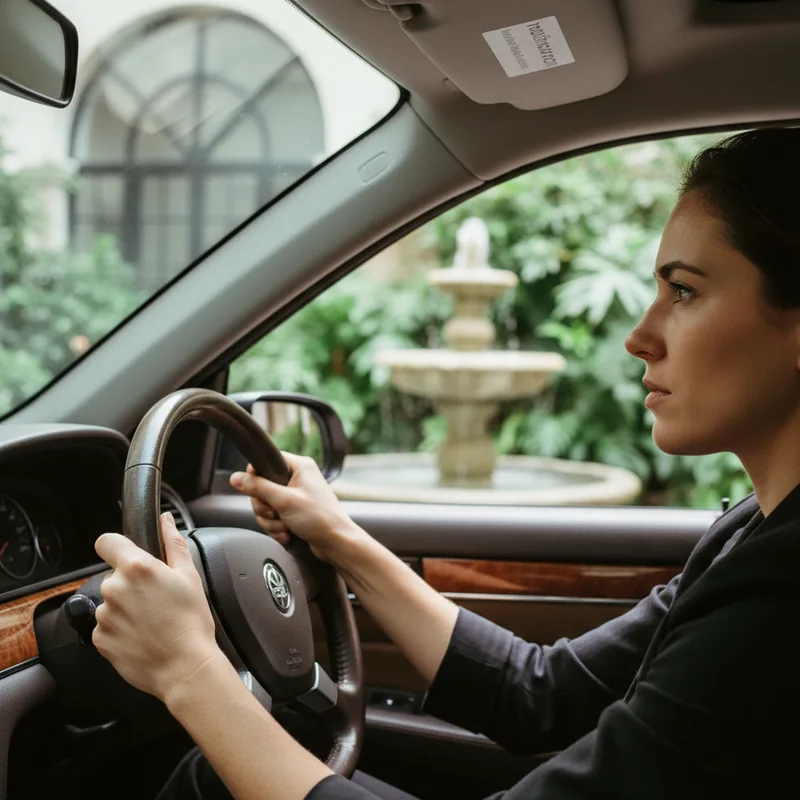
That tightness in your chest when you approach a car. The racing heart as you buckle your seatbelt. The overwhelming urge to escape before the engine even turns on. If you've experienced this, you're not alone--and it's not your fault. Why amaxophobia can be so overwhelming is because it's not just about being careful; it's a paralyzing fear that can completely reshape your world. The good news? Understanding what's happening is the first step toward taking back control.
Understanding Amaxophobia
Amaxophobia, often called ochophobia, motorphobia, or hamaxophobia, is the intense fear of being in a vehicle--whether as a driver or passenger. This phobia extends beyond simple caution to create genuine terror that can make even short car journeys feel impossible.
For those who experience it, amaxophobia isn't just "being nervous" about driving. It's a full-body reaction that can trigger panic attacks, physical discomfort, and an urgent need to escape the situation. Why amaxophobia can be particularly challenging is that it often forces people to make significant life adjustments just to avoid triggering situations.
Symptoms to Watch For
The physical manifestations of amaxophobia can be intense and varied. Many people experience:
- An overwhelming fear of being in an accident
- Intense anxiety about potential injuries or death
- Panic about being trapped inside a vehicle
- Physical reactions like sweating, trembling, rapid heartbeat, and nausea
- Dizziness or feeling faint
- Shortness of breath or hyperventilation
These symptoms can range from mild to severe. Some individuals might manage short trips with trusted drivers, while others find themselves completely unable to travel by vehicle at all.
Why Amaxophobia Can Be So Debilitating
The true impact of amaxophobia often extends far beyond the immediate fear response. Why amaxophobia can be life-altering becomes clear when we examine how it restricts daily activities and opportunities.
Consider this: in many parts of the world, cars aren't just conveniences--they're necessities. From commuting to work to attending family gatherings, from accessing healthcare to grocery shopping, vehicle access underpins countless aspects of modern life. When amaxophobia takes hold, these routine activities can become monumental challenges.
The professional consequences can be equally significant. People with severe amaxophobia may find themselves limited to jobs within walking distance, potentially passing over career advancement opportunities that require reliable transportation. This limitation can affect earning potential and long-term financial stability.
Socially, the impact can be isolating. Being unable to accept rides to gatherings, attend events outside your immediate neighborhood, or even visit friends and family can create distance in relationships. Over time, this isolation can lead to depression and further anxiety.
What Triggers This Fear
Amaxophobia doesn't develop in a vacuum. Several factors can contribute to its development:
- Genetic predisposition: Research suggests that having a close family member with anxiety disorders or phobias can increase your risk of developing amaxophobia (Harvard, 2024).
- Learned behavior: Hearing detailed accounts of car accidents or observing others' fearful reactions to driving can condition similar responses.
- Direct trauma: Experiencing or witnessing a serious traffic accident is one of the most common triggers for amaxophobia.
- Related conditions: Amaxophobia often coexists with other anxiety disorders like agoraphobia (fear of situations where escape might be difficult) or claustrophobia (fear of enclosed spaces).
Interestingly, amaxophobia can manifest differently from person to person. Some individuals primarily fear driving themselves, while others are most anxious as passengers. Some experience both scenarios with equal intensity. These variations highlight how personal experiences shape the specific nature of the phobia.
Real-Life Examples
Sarah, a 34-year-old marketing professional, developed amaxophobia after being in a serious accident as a passenger. Though she wasn't driving, the trauma left her unable to ride in cars for over two years. Her career suffered as she turned down promotions requiring relocation, and social invitations became increasingly rare as friends grew tired of her constant cancellations.
Meanwhile, Mark, a 28-year-old software developer, has always been anxious as a passenger but can drive himself without issue. This creates its own challenges--he can get to work independently but struggles to attend networking events or social gatherings where he'd need to be a passenger. His relationship has suffered as his partner feels rejected when he refuses to ride in her car.
These examples illustrate how amaxophobia doesn't affect everyone the same way, yet the underlying fear remains equally powerful across different manifestations.
Breaking Free: Treatment Options
The good news about amaxophobia is that it's highly treatable. Several evidence-based approaches can help individuals regain their freedom and confidence:
Exposure Therapy
Considered the gold standard for phobia treatment, exposure therapy gradually introduces individuals to their feared situations in a controlled, safe environment. This might start with simply looking at pictures of cars, then sitting in a stationary vehicle, then taking short drives with a therapist present, and eventually progressing to longer trips.
Virtual reality exposure therapy has emerged as an innovative approach, allowing individuals to experience simulated driving situations in a completely controlled environment before transitioning to real-world scenarios (Mayo Clinic, 2023).
Cognitive-Behavioral Therapy
CBT helps identify and challenge the irrational thoughts that fuel amaxophobia. Therapists work with individuals to recognize patterns like "Every time I get in a car, I'll have an accident" and replace them with more balanced perspectives like "Most car trips end safely without incident."
Many people find significant relief after just a few CBT sessions, making it an efficient option for those ready to confront their fears.
Medication Options
While not a standalone solution, certain medications can help manage the acute symptoms of anxiety associated with amaxophobia. Beta-blockers can reduce physical symptoms like rapid heartbeat and trembling, while SSRIs may help address underlying anxiety that contributes to the phobia.
Medication works best when combined with therapy, addressing both the physical and psychological aspects of the condition.
Living Beyond Amaxophobia
Recovery from amaxophobia isn't just about being able to ride in a car--it's about reclaiming your life and all the opportunities that come with it. The journey looks different for everyone, but several strategies can support the process:
- Build a support network: Share your goals with trusted friends and family who can offer encouragement and celebrate your progress.
- Start small: Begin with the least anxiety-provoking situations and gradually work your way up to more challenging scenarios.
- Develop relaxation techniques: Deep breathing, mindfulness meditation, and progressive muscle relaxation can help manage anxiety in the moment.
- Consider alternative transportation: In some cases, exploring options like public transit, rideshares, or biking might provide stepping stones toward full recovery.
Remember, recovery isn't linear. There will be good days and challenging days. What matters is persistence and self-compassion as you work toward your goals.
If amaxophobia is significantly impacting your quality of life, consider reaching out to a mental health professional who specializes in anxiety disorders. With the right support and treatment, most people can overcome their fear and regain their freedom on the open road.