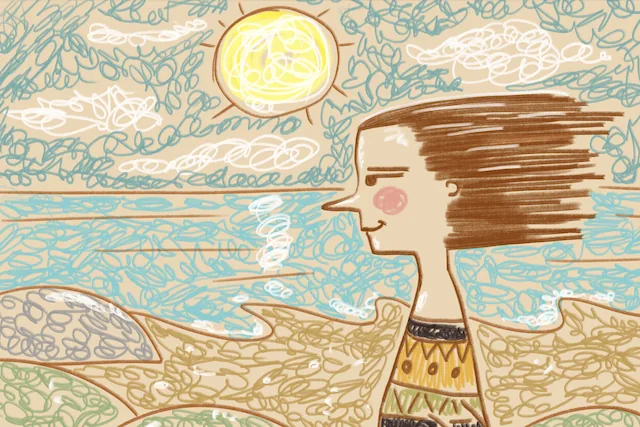
When Maya entered the partial hospitalization program, she felt utterly isolated by her anxiety. It was during a shared lunch break, listening to another patient describe a similar struggle with panic attacks, that she first felt a flicker of hope. "You get it," she whispered, and in that moment, the heavy cloak of loneliness began to lift. This profound connection between patients--these fellow travelers on the road to recovery--is emerging as a critical, yet often overlooked, component of successful mental health treatment.
The Epidemic of Isolation and a New Solution
The U.S. Surgeon General's 2023 report sounded an alarm on an epidemic of loneliness, declaring it a pressing public health issue. The data is stark: strong social relationships are powerful predictors of health and longevity, while isolation significantly increases the risk for conditions like depression. In fact, one landmark study analyzing over 100 potential factors found that confiding in others was the single strongest predictor of reduced depression risk (Harvard, 2020). Intensive treatment programs--whether residential, inpatient, or day programs--uniquely position people to combat this isolation by placing them in consistent proximity with peers.
While the potential for healing through peer support has long been acknowledged anecdotally, it remained poorly measured. How often do patients truly connect? What makes an interaction helpful versus harmful? To answer these questions, researchers developed and validated a new tool called the "Fellow Travelers in Treatment" scale. This patient-informed survey moves beyond simply counting social contacts to assess the quality of interactions--measuring respect, mutual learning, and emotional safety among peers in treatment.
Quality Over Quantity: The Key Findings
When nearly 500 adults in a behavioral health partial hospital program completed the scale, the results were revealing. The sheer frequency of social contact--how often someone ate lunch with others or made small talk--did not correlate with lower depression or anxiety scores at discharge. The magic wasn't in the quantity of interactions, but in their substance.
The data pointed to two specific qualities that made a significant difference: feeling respected by peers and learning useful strategies from them. Patients who reported higher levels of these experiences showed measurably lower symptoms. This underscores a vital shift in perspective: the therapeutic environment isn't just a backdrop for individual therapy; the community itself is an active ingredient in healing. For example, in an art therapy group, a patient might learn a new grounding technique not from the therapist, but from a peer who shares how mixing certain colors helps calm their racing thoughts.
Cultivating Meaningful Connections in Treatment
So, how do we foster these high-quality connections that fuel recovery? It requires intentional design of the treatment environment. Programs can move beyond passive coexistence to create structured and unstructured opportunities for genuine peer engagement. The benefits of these fellow travelers in treatment are clear: reduced symptom severity, decreased feelings of alienation, and a stronger foundation for sustained recovery.
Consider the power of a peer-led mindfulness session, where one patient guides a short meditation they've found helpful, or a shared journaling activity where experiences are exchanged without judgment. Another powerful example is the "coping skills swap," where patients dedicate time to share one personal tool that has helped them manage a specific symptom, making the collective wisdom of the group accessible to all. These practices actively build the respect and mutual learning that the research identifies as so valuable.
It's also crucial to recognize that some individuals, particularly those experiencing psychosis, reported lower levels of connection and respect in the study. This highlights the need for tailored support to ensure everyone can safely engage and benefit from the community. Creating smaller, more facilitated discussion groups or pairing patients with "connection buddies" can help bridge this gap.
The Journey Forward, Together
The "Fellow Travelers in Treatment" scale gives us a new lens to see what truly matters in therapeutic settings. Healing is not a solitary climb. As this and other research continues to validate the profound impact of social bonds (Mayo Clinic, 2023), the mandate for mental health care becomes clear: we must consciously design programs that do more than treat symptoms--they must nurture communities.
By prioritizing environments where individuals feel seen, respected, and able to learn from one another, we unlock a powerful, synergistic force for recovery. The path out of loneliness and distress is walked alongside others who understand the terrain. The ultimate benefit of these fellow travelers in treatment is the rediscovery of hope, not in isolation, but in shared humanity and collective resilience.