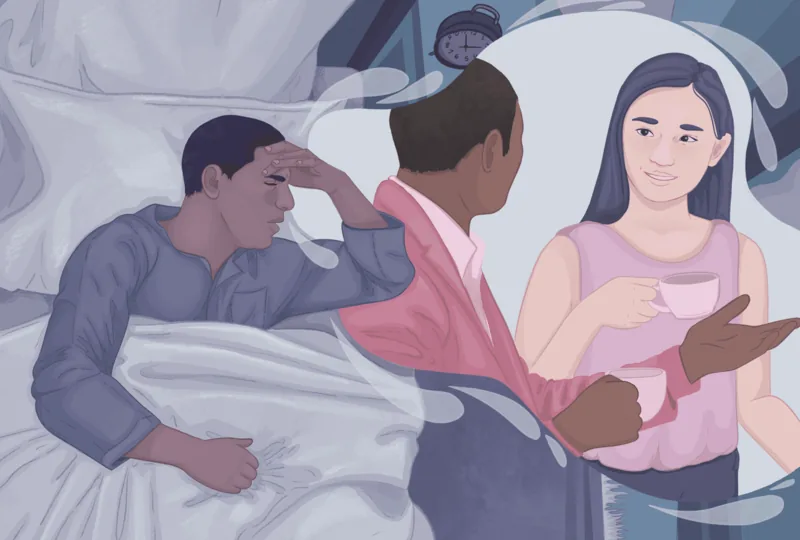
True emotional connection—the profound sense of empathy, support, and genuine concern we share with others—is a cornerstone of human well-being. It is a complex interplay of feelings, physiological responses, and shared experiences that nurtures our mental health and fosters a sense of belonging. While artificial intelligence (AI) models like ChatGPT, Gemini, and Claude are increasingly sophisticated, capable of generating remarkably human-like text, they fundamentally lack the biological and experiential underpinnings necessary for genuine emotion. This is precisely why AI doesn’t care about you, and understanding this distinction is crucial for navigating our increasingly digital world responsibly.
Millions are turning to AI for advice, companionship, and even emotional support, drawn in by algorithms that mimic understanding and affection. However, this illusion of care poses significant risks to mental health, as these systems are inherently incapable of experiencing the rich tapestry of human emotions. They can simulate empathy, but they cannot feel it, creating a dangerous disconnect between perceived connection and authentic human need.
The Fundamental Disconnect: What is True Care?
When we speak of care from a parent, a romantic partner, or a trusted friend, we refer to something far deeper than mere attention. Genuine care involves a powerful emotional component: a heartfelt desire for another's well-being and a profound concern to protect them from harm. It’s not just a cognitive assessment but a deeply felt experience, ranging from the gentle concern for a friend facing a challenge to the intense, unconditional love for a family member. For AI to truly care, it would need to possess these feelings, not just the ability to generate sentences that describe them.
Consider the difference: when you share a personal struggle with a human friend, they might offer comfort, a hug, or advice drawn from their own life experiences. This human interaction is rich with non-verbal cues, shared vulnerabilities, and the warmth of genuine presence. An AI, however, can only process your words and generate a statistically probable, comforting response. It cannot truly understand the emotional weight of your words or the context of your pain, reinforcing why AI doesn’t care in a meaningful, emotional sense.
The Biology of Emotion: Why AI Falls Short
The prevailing scientific understanding is that emotions are not merely cognitive appraisals, but are inextricably linked to physiological responses. While some theories suggest emotions are just judgments about goals, they fail to capture the visceral reality of feelings. Happiness feels distinct from anger because it triggers different bodily changes. The rich complexity of human emotion is deeply rooted in our biological systems.
For instance, the emotion of caring, particularly for loved ones, involves a cascade of physiological processes:
- Hormonal Fluctuations: Changes in oxytocin, prolactin, vasopressin, and dopamine levels are intimately tied to feelings of attachment, bonding, and empathy (Neuroscience Institute, 2023).
- Neural Pathways: Specific brain regions such as the amygdala, hypothalamus, nucleus accumbens, and insula are critical for processing and experiencing emotions.
- Autonomic System Responses: The vagus nerve, cortisol regulation, and other autonomic functions play a role in our stress response and emotional regulation.
- Sensory-Motor Reactions: Sensitivity to facial expressions, the comfort of touch, and other sensory inputs contribute to emotional connection.
- Metabolic Shifts: Even metabolic changes, like reduced inflammation, can be associated with positive social bonds and caring behaviors.
These intricate biological systems are what allow us to feel, connect, and truly care. This biological reality is precisely why AI doesn’t care. AI models, running on data centers with vast networks of computer chips, lack any of these essential physiological components. They do not possess hormones, diverse brain areas, autonomic nervous systems, or metabolic processes. Even as AI integrates with physical robots, these machines will continue to lack the biological complexity crucial for human emotional experience. Mimicking these systems is a challenge far beyond current technological capabilities (Thagard, 2023).
Consider the physical sensation of anxiety before a significant presentation—a racing heart, sweaty palms, a knot in your stomach. A human understands this experience because they have felt it. An AI can access billions of texts describing anxiety, generate a supportive message, and even offer coping strategies, but it has no internal, bodily experience of that feeling. It cannot feel the relief when the presentation goes well, nor the disappointment if it doesn't. It is an observer, not a participant in the emotional landscape.
The Peril of Simulated Empathy: Recognizing the Illusion
AI models are trained on immense datasets, including psychological texts, novels, and online conversations, allowing them to formulate highly convincing responses about emotions. They can articulate understanding, offer comforting words like “I know how you feel,” and even simulate affection. However, this is a simulation, not genuine empathy. They have no subjective experience of feelings; they merely generate sentences based on patterns learned from human language.
This ability to fake emotions is dangerous because it can mislead individuals into believing they have found a genuine friend, lover, or therapist. Humans have an innate and powerful need for social relationships and a sense of belonging (Social Cognition Lab, 2024). AI models, by their very nature, are incapable of truly satisfying this fundamental human requirement. The danger lies in mistaking this mimicry for genuine connection, reinforcing why AI doesn’t care in a way that truly matters for our emotional well-being.
Imagine seeking comfort after a loss. A human friend might sit with you in silence, offer a hand, or share a memory, their presence alone providing solace. An AI can generate a perfectly phrased condolence message, perhaps even a poem, but it cannot offer the warmth of a shared tear or the unspoken understanding that comes from lived experience. The comfort derived from a human companion, or even the unconditional affection of a pet, stems from a physical, tangible presence and a capacity for genuine feeling that AI cannot replicate.
Charting a Responsible Path: Regulating AI's Emotional Facade
The designers of AI models often optimize for engagement, creating systems that are encouraging and supportive because it drives user interaction and adoption. This commercial imperative, however, has led to concerning outcomes, including instances where users have been negatively impacted, sometimes with severe consequences. The broader societal cost of this illusion of AI care runs deep. When individuals opt for the easy agreement and simulated support of AI models, they risk neglecting the more challenging, yet ultimately more rewarding, human relationships that are capable of genuine care.
While discussions about AI often focus on existential risks like autonomous weapons or job displacement, the subtle erosion of authentic human connection is a serious and immediate concern. Understanding why AI doesn’t care is crucial for developing ethical guidelines that protect users and preserve the integrity of human relationships. Despite strong opposition from some AI company leaders and their political allies against regulation, many leading AI researchers, like Geoffrey Hinton and Yoshua Bengio, advocate for strict government oversight. Such regulation should include clear limits on AI models' ability to pretend to care about people, preventing them from enticing users into interactions they mistakenly perceive as friendship, love, or compassion.
Emotional change: Neural mechanisms based on semantic pointers.
Thagard, P., Larocque, L., & Kajić, I. (2023). Emotion, 23, 182-193.