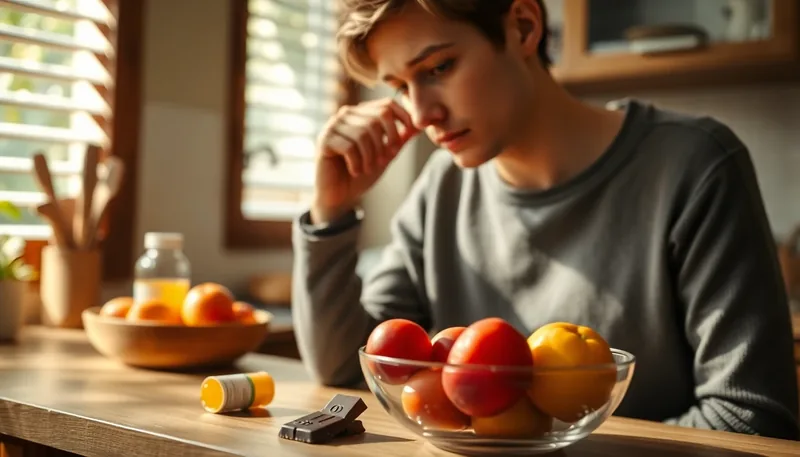
That sudden, intense desire for cookies or chocolate while taking your medication isn't just in your head--it's in your neurochemistry. Understanding why you might crave sweets on nortriptyline reveals fascinating connections between brain chemistry, metabolism, and emotional regulation.
The Neurochemical Connection
Nortriptyline, a tricyclic antidepressant, works by increasing levels of neurotransmitters like serotonin and norepinephrine in your brain. This mechanism, while effective for mood regulation, can directly influence appetite centers in the hypothalamus. Research indicates that enhanced serotonin activity can paradoxically increase carbohydrate cravings in some individuals, as the brain seeks quick energy to support neurotransmitter synthesis (Harvard, 2024). This explains why you might crave sweets specifically, rather than just experiencing general hunger.
Another factor involves histamine receptors. Nortriptyline blocks H1 histamine receptors, which typically suppress appetite. When these receptors are inhibited, the brain's natural appetite suppression weakens, potentially leading to increased hunger and specific cravings for high-calorie, sweet foods. This dual action on both serotonin and histamine pathways creates a perfect storm for sugar cravings.
Beyond the Brain: Metabolic Shifts
The medication's effects extend beyond neurotransmitters to influence how your body processes energy. Some patients report changes in how they metabolize glucose while on nortriptyline. When blood sugar levels fluctuate more dramatically, the body may signal for quick energy sources--explaining another reason why you might crave sweets during treatment adjustments.
Consider this scenario: A patient notices their cravings peak about two hours after taking their medication, coinciding with when nortriptyline concentrations in the bloodstream reach their peak. This timing suggests a direct pharmacological relationship rather than random appetite changes. Managing these cravings involves understanding their pattern and preparing healthy alternatives before the urge strikes.
Emotional and Habitual Factors
Depression and anxiety themselves can alter eating patterns. When medication begins to lift mood, some individuals rediscover pleasure in food--particularly sweets, which trigger dopamine release. This creates a feedback loop where medication improves mood, making sweets more appealing, and sweets provide temporary mood elevation. Breaking this cycle requires conscious strategy rather than willpower alone.
Sleep patterns also play a role. Nortriptyline's sedative effects can disrupt normal sleep architecture for some patients. Research shows that sleep deprivation increases ghrelin (the hunger hormone) and decreases leptin (the satiety hormone), potentially explaining why you might crave sweets more intensely when sleep quality changes (Mayo Clinic, 2023).
Managing Cravings Effectively
Rather than fighting cravings, work with your body's signals. When you notice why you might crave sweets emerging, try these evidence-based approaches:
- Time your meals strategically: Eat balanced meals with protein, fiber, and healthy fats before medication peaks to stabilize blood sugar.
- Choose complex carbohydrates: Opt for whole fruits, sweet potatoes, or oatmeal instead of refined sugars to satisfy cravings nutritionally.
- Stay hydrated: Sometimes thirst masquerades as hunger or sugar cravings.
- Incorporate mindful eating: When cravings strike, pause for 10 minutes before acting. Often the intensity diminishes.
Consider keeping a craving journal for two weeks. Note timing, intensity, what you were doing, and what you ate. Patterns often reveal triggers unrelated to medication--like stress, boredom, or specific environments. This data helps you and your healthcare provider make informed adjustments.
When to Consult Your Provider
While cravings are common, significant weight gain or obsessive food thoughts warrant discussion. Your provider might:
- Adjust dosage timing (taking medication with dinner instead of breakfast)
- Recommend complementary therapies like cognitive behavioral techniques
- Suggest dietary modifications or refer you to a nutritionist
- In rare cases, consider alternative medications with different side effect profiles
Never adjust medication without professional guidance. Sudden changes can cause withdrawal symptoms including nausea, headache, and mood fluctuations. A gradual, monitored approach ensures both physical and emotional stability during transitions.
Broader Side Effect Context
Sweet cravings exist within nortriptyline's broader side effect profile. Common effects include dry mouth, constipation, and drowsiness--particularly when starting treatment. These typically diminish within weeks as your body adjusts. More serious but rare effects require immediate attention: irregular heartbeat, difficulty breathing, or significant mood worsening.
Medication interactions present another consideration. Nortriptyline can interact with blood pressure medications, certain gastrointestinal drugs, and substances affecting serotonin levels. Always inform providers about all medications, supplements, and herbal remedies you're taking. Alcohol amplifies sedation and should be avoided or strictly limited during treatment.
Understanding why you might crave sweets provides empowerment, not resignation. With knowledge and strategy, you can manage this side effect while benefiting from nortriptyline's therapeutic effects. The goal isn't elimination of all cravings, but creation of a sustainable balance where medication supports your mental health without compromising physical wellbeing.