We celebrate productivity relentlessly, yet quietly mourn the loss of activities done purely for joy. The paradox of modern adulthood is that we have more tools for efficiency than ever, but less space for unstructured play that actually keeps us sane.
For many, the concept of a "hobby" feels like a luxury reserved for retirement or childhood. But research increasingly shows that regular leisure activities aren't just nice-to-have additions to our lives--they're fundamental to mental resilience. The right types of hobbies you choose can serve as powerful antidotes to burnout, anxiety, and the creeping isolation that defines so much of contemporary adult experience.
Why Hobbies Matter More Than Ever
According to mental health researchers, we're facing unprecedented levels of psychological distress. The solution isn't always more therapy or medication--sometimes it's reclaiming the activities that bring us into flow states and connect us with others who share our passions.
As one clinical psychologist notes, hobbies create "third places"--environments outside home and work where people gather around shared interests. These spaces counteract the fragmentation of modern life by building community and purpose beyond professional identity.
Studies from Harvard (2024) demonstrate that leisure activities measurably reduce cortisol levels, improve sleep quality, and enhance overall life satisfaction. The Mayo Clinic (2023) similarly reports that regular engagement in enjoyable activities strengthens immune function and reduces depression risk.
1. Active Hobbies: Movement as Medicine
When we think of exercise, we often imagine obligation--the gym membership we feel guilty about not using. Active hobbies flip this script entirely. They're about movement that feels like play, not punishment.
Consider joining a recreational sports league where the emphasis is on camaraderie over competition. Adult soccer leagues, pickleball groups, or even frisbee golf communities offer dual benefits: cardiovascular health and meaningful social connection. The key is finding activities where skill development happens naturally through repetition, not pressure.
Rock climbing deserves special mention here. It's meditative, problem-solving, and requires complete presence--your mind can't wander when you're on a wall. Many gyms now offer beginner courses specifically designed for adults who've never climbed before.
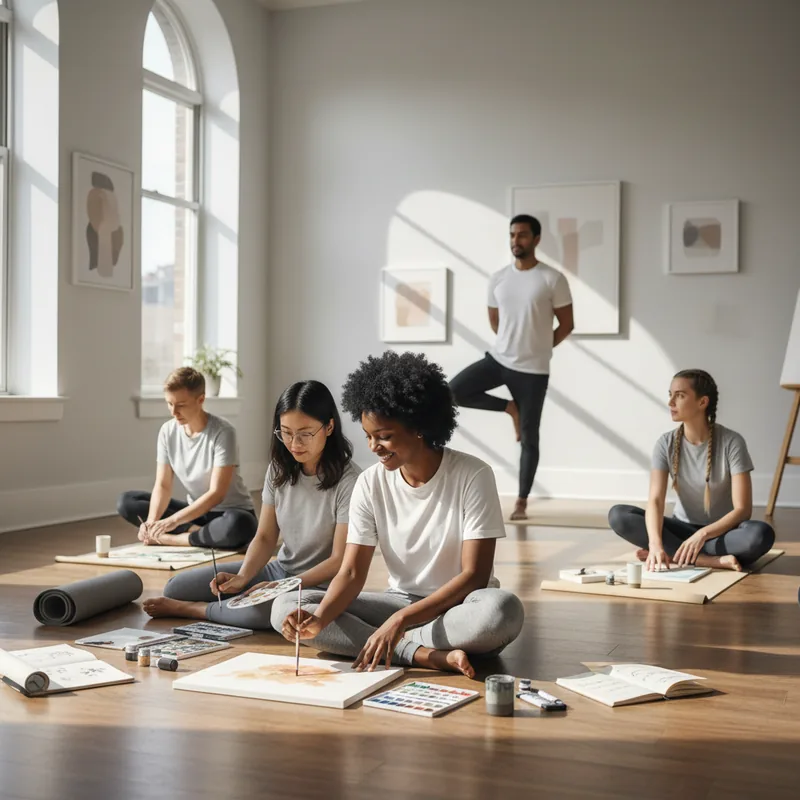
Yoga studios increasingly recognize the adult beginner market, with "gentle" or "foundations" classes that prioritize accessibility over Instagram-worthy poses. These spaces often become unexpected communities.
2. Creative Hobbies: Rewiring Your Brain
Creativity isn't about talent--it's about process. When you engage in creative work, you're literally building new neural pathways. This neuroplasticity is especially crucial as we age.
The options here are genuinely endless. Watercolor painting, for instance, has a low barrier to entry but offers infinite depth. The medium's forgiving nature makes it ideal for adults who fear "doing it wrong." Similarly, keeping a visual journal--combining sketches, words, and found objects--creates a private space for processing emotions that words alone can't capture.
Learning an instrument as an adult rewires the brain in remarkable ways. Piano or guitar lessons improve working memory and pattern recognition. Many music stores now offer adult group classes where everyone starts from zero, eliminating the intimidation factor.
Consider pottery throwing. The tactile nature of clay is profoundly grounding, and the wheel demands a mindfulness that quiets mental chatter. Plus, you end up with functional objects--a rare hobby that produces tangible, useful results.
3. Community-Based Hobbies: The Antidote to Isolation
Loneliness is now considered as dangerous as smoking. Community-based hobbies directly combat this by placing you in regular contact with people who share your interests, creating what sociologists call "weak ties"--the casual relationships that actually make life feel meaningful.
Volunteering represents the purest form of this category. Walking dogs at a shelter, tutoring children, or maintaining community gardens all provide structure, purpose, and connection. The key is choosing causes that genuinely resonate, not what you think you "should" care about.
Book clubs have evolved far beyond wine and cheese discussions. Many now focus on specific genres or authors, meet in mornings or parks, and prioritize genuine conversation over social performance. Libraries often host these groups for free.
Urban gardening collectives offer another powerful model. Tending plots together creates natural conversation rhythms and shared investment in something that grows. The physical work provides a welcome contrast to screen-based labor, and harvest time brings genuine celebration.
4. Unexpected Hobbies: Embracing the Niche
The most rewarding hobbies are often the ones that surprise you. These are activities you might never have considered but that unlock hidden dimensions of yourself.
Birdwatching, for example, demands patience and teaches you to notice subtle details in your immediate environment. It transforms ordinary walks into treasure hunts. The barrier to entry is essentially zero--just a pair of basic binoculars and a field guide app.
Digital photography clubs have exploded in popularity. Unlike the solitary experience of taking photos alone, these groups organize monthly challenges and critique sessions that accelerate learning. The social accountability keeps members engaged long-term.
Learning a new language through conversation groups rather than apps creates human connection while building skills. Many cities have "language exchange" meetups where native speakers help each other practice.
Even something as specific as soap-making or candle-crafting can become a meditative practice with tangible results you can gift or use.
5. Hobbies You Didn't Realize Were Hobbies
Many adults already have hobbies but don't recognize them as such. That coffee ritual where you grind beans and carefully pour? That's a hobby. The way you organize your vinyl collection? Hobby. Your deep knowledge of obscure film directors? Absolutely a hobby.
The shift in mindset matters enormously. When you reframe these activities as intentional hobbies rather than quirky habits, you give yourself permission to invest time and energy in them. This might mean upgrading your coffee gear, creating a cataloging system for your collection, or starting a film discussion group.
Coding, graphic design, or baking sourdough bread can all start as curiosity and evolve into genuine hobbies. The key is removing the pressure to monetize or perfect them. These are for you, not your portfolio.
6. Geographic Considerations: Urban vs. Rural Hobbies
Where you live shapes what's accessible, but it rarely limits what's possible. Cities offer density--more classes, groups, and specialized shops. Rural areas offer space and natural resources. Both have advantages.
In urban environments, the challenge is often choice paralysis. The solution is to start with one thing and commit for a set period (say, eight weeks) before evaluating. City libraries and community centers are goldmines for affordable classes.
Rural living might require more creativity and self-direction, but also offers unique opportunities. Astronomy benefits from dark skies. Foraging connects you deeply to local ecosystems. Woodworking requires space that rural properties often provide. The internet also bridges geographic gaps--you can join online communities that share your specific niche interest.
What Doesn't Count as a Hobby
It's worth drawing a line between passive consumption and active engagement. While there's nothing wrong with enjoying media, binge-watching television or endlessly scrolling social media don't provide the psychological benefits of true hobbies.
The distinction lies in agency and creation. Hobbies involve learning, skill-building, or producing something. They challenge you. Consumption, while relaxing, doesn't generate the same sense of mastery or connection.
This isn't about judgment--it's about understanding what actually restores your mental energy versus what merely numbs it.
Why Adults Struggle to Maintain Hobbies
Understanding the barriers is crucial for overcoming them. Most adults face several predictable obstacles:
Time scarcity feels absolute, but often represents a prioritization issue. We make time for what we value. The question isn't whether you have time, but whether you're willing to protect hobby time from other demands.
Resource limitations are real but often overstated. Many rewarding hobbies require minimal investment. Public libraries offer free classes. Community centers provide affordable access to equipment. Online tutorials cost nothing.
Perfectionism is the silent hobby killer. Adults arrive at new activities expecting competence they would never demand of children. This internal pressure transforms potential joy into another source of stress.
Beginner anxiety compounds perfectionism. We worry about looking foolish or asking "dumb" questions. In reality, every expert was once a beginner, and most hobby communities are thrilled to welcome newcomers.
Identity attachment can make starting something new feel like admitting previous interests were wrong. But humans are meant to evolve. Your past self doesn't get to veto your future growth.
How to Start (and Stick With) a New Hobby
Success with adult hobbies requires a different approach than childhood exploration. Here's what works:
Start ridiculously small. Instead of "learn guitar," commit to "practice five minutes daily for two weeks." Tiny commitments bypass resistance and build momentum.
Find your people early. Join a class or group from day one. The social accountability and shared learning experience dramatically increase follow-through. Plus, you'll learn faster with others.
Focus on process, not product. The goal is enjoying the activity itself, not creating masterpieces or winning competitions. If you're having fun, you're succeeding.
Check in regularly. Every month, ask: "Am I still enjoying this?" If not, pivot. There's no shame in abandoning something that doesn't fit. Life's too short for hobbies that feel like chores.
Embrace the awkward phase. The first few weeks will feel uncomfortable. That's not a sign you're bad at it--it's a sign you're learning. Discomfort is the price of growth.
The mental health benefits of hobbies don't require perfection or commitment. They simply require showing up, regularly, for something that interests you. In a world that demands constant productivity, choosing to be a beginner at something purely for joy is a radical act of self-care.
Your future self--who sleeps better, feels less anxious, and has meaningful connections beyond work--will thank you for starting today.