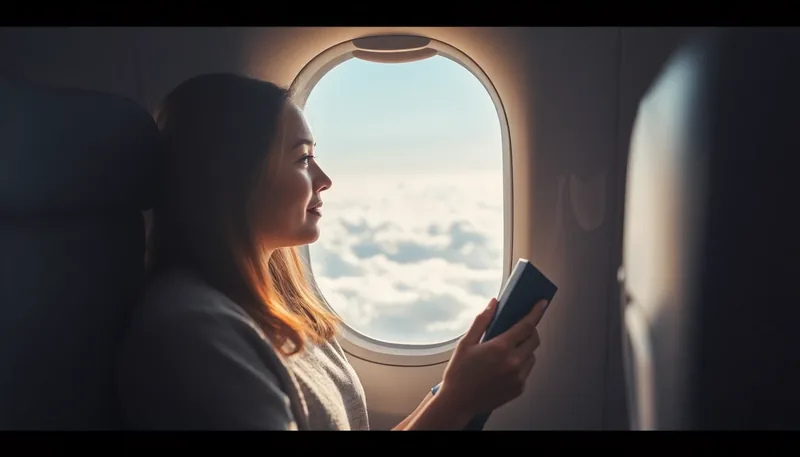
A staggering 40% of the population experiences some form of flying-related anxiety annually (Clark & Rock, 2016). For many, this apprehension escalates into aerophobia, a profound and often debilitating fear of flying that can severely limit personal and professional opportunities. The good news is that overcoming aerophobia is entirely possible through a combination of understanding its roots, employing proven therapeutic strategies, and developing effective personal coping mechanisms. This comprehensive guide will illuminate the path to reclaiming your freedom to travel and soar above the clouds with confidence.
Understanding Aerophobia: More Than Just Nerves
Aerophobia, sometimes referred to as aviophobia, is classified as a specific phobia, characterized by an intense and persistent fear of air travel. Despite compelling statistics indicating that air travel is statistically safer than many other modes of transportation, including cars and trains, the fear of flying remains a prevalent concern (Savage, 2013). While a degree of nervousness before a flight is common, aerophobia manifests as significant distress that can begin long before boarding, impacting daily life and decision-making.
The symptoms of aerophobia mirror those of other intense phobias, encompassing a range of physical, emotional, and cognitive reactions. When confronted with the thought or reality of flying, individuals may experience:
- Physical Symptoms: Chills, choking sensations, flushed skin, gastrointestinal upset, increased heart rate, nausea, shaking, shortness of breath, and excessive sweating. These can escalate into a full-blown panic attack, marked by heart palpitations, a feeling of detachment, and an overwhelming fear of dying.
- Cognitive Symptoms: Clouded thinking, disorientation, and an inability to focus on anything other than the impending flight or perceived danger.
- Emotional Symptoms: Intense irritability, dread, and a pervasive sense of impending doom.
Anticipatory anxiety is a hallmark of aerophobia, where individuals begin to experience symptoms days or even weeks before a scheduled flight. This pre-flight distress can be as disruptive as the in-flight anxiety itself, turning the anticipation of travel into a source of significant suffering.
Unpacking the Roots of Flight Anxiety
The origins of aerophobia are multifaceted, often intertwined with other anxieties or specific life experiences. Understanding these contributing factors is a crucial step toward overcoming aerophobia. Several related conditions can exacerbate or even trigger a fear of flying:
- Claustrophobia: The confined space of an airplane cabin, with limited personal room, can be a significant trigger for those with a fear of enclosed spaces.
- Acrophobia (Fear of Heights): A general aversion to heights can naturally extend to the experience of being thousands of feet in the air.
- Social or Germ Phobia: Spending extended periods in close proximity to strangers, particularly in an enclosed environment, can be distressing for individuals with social anxiety or an intense fear of germs. For instance, a business executive might avoid essential international conferences, not due to the flight itself, but the dread of sharing cabin air and surfaces with hundreds of people (Harvard Health, 2024).
Beyond co-occurring phobias, specific events and environmental factors play a significant role in the development of aerophobia:
- Traumatic Experiences: Directly experiencing a turbulent flight, an emergency landing, or even extensively following news coverage of airline disasters can be enough to instill a profound fear. The collective anxiety following events like the September 11 attacks, for example, led to a widespread, albeit often temporary, increase in flight apprehension.
- Learned Behavior: Observing a parent or close relative exhibit a strong fear of flying can lead to internalized trepidation, especially in children. This observational learning can shape an individual's perception of air travel as inherently dangerous.
- Underlying Conflicts: Sometimes, aerophobia can be a manifestation of deeper, unresolved personal issues. A student, for example, might develop an intense fear of flying soon after moving away from home for college, unconsciously associating the flight with the trauma of separation and the anxieties of independence (Mayo Clinic, 2023). Similarly, a new parent might develop aerophobia, not due to the flight itself, but an overwhelming fear of leaving their child behind or a heightened sense of vulnerability.
Research indicates that specific triggers such as turbulence, take-off, and bad weather are among the most anxiety-inducing aspects of flying (Clark & Rock, 2016). Delays and unexpected changes in travel plans can further intensify these fears.
Effective Strategies for Overcoming Aerophobia
Fortunately, aerophobia is a highly treatable condition, offering hope to those who feel trapped by their fear. A range of therapeutic interventions and practical approaches can help individuals regain control and confidence.
Psychotherapy and Behavioral Approaches
Cognitive Behavioral Therapy (CBT) is widely considered the gold standard for treating specific phobias, including the fear of flying. CBT helps individuals identify and challenge the irrational thought patterns that fuel their anxiety, replacing them with more realistic and adaptive perspectives. Key CBT-based techniques include:
- Exposure Therapy: This involves controlled, gradual confrontation with the feared object or situation. For aerophobia, exposure can range from looking at pictures of planes, visiting an airport, sitting in a parked aircraft, using virtual reality flight simulations, or ultimately, taking a short flight. Experts agree that direct exposure is often the most effective method (Eaton, Bienvenu, & Miloyan, 2018).
- Systematic Desensitization: A specific form of exposure therapy where individuals are taught relaxation techniques and then gradually exposed to increasing levels of flight-related stimuli while maintaining a relaxed state.
- Virtual Reality (VR) Therapy: Offers a safe and controlled environment to simulate flying experiences, allowing individuals to practice coping strategies without leaving the ground. Studies have shown internet-based exposure programs using VR to be effective (Campos et al., 2019).
Group Classes and Airline Programs
Many airlines and specialized organizations offer fear of flying courses, often spanning a weekend. These programs typically include educational sessions with pilots and cabin crew, discussions on airline safety, and sometimes even a supervised, short flight. For individuals without complex co-occurring psychological disorders, these classes can be incredibly beneficial, demystifying the flying process and building familiarity with the environment.
Medication as an Adjunct
While not a standalone cure, certain medications can be prescribed to manage acute symptoms of anxiety or motion sickness associated with flying. Anti-anxiety medications, such as benzodiazepines like alprazolam (Xanax) or diazepam (Valium), may be used for short-term relief during flights. However, these are typically used in conjunction with psychotherapy, as they address symptoms rather than the underlying phobia.
Empowering Yourself: Coping and Thriving
Beyond formal treatment, several self-help strategies can significantly aid in overcoming aerophobia and managing anxiety during travel:
- Educate Yourself: Knowledge is power. Learning about the mechanics of flight, the reasons behind turbulence, and the various sounds an airplane makes can demystify the experience and reduce the fear of the unknown. Understanding that turbulence is akin to driving on a bumpy road, rather than a sign of imminent danger, can be profoundly reassuring.
- Identify and Challenge Irrational Thoughts: Pay attention to catastrophic thinking patterns. For example, if a slight bump makes you think, "The wing is about to fall off," consciously challenge that thought with facts about aircraft engineering and safety protocols. Replace it with a more realistic thought, "This is normal turbulence, the plane is designed to handle it."
- Recognize Your Triggers: Become attuned to what specifically heightens your anxiety--is it take-off, turbulence, being in a confined space, or news about delays? Once identified, you can develop targeted coping strategies for those specific moments. Perhaps listening to a specific playlist during take-off or practicing deep breathing during turbulence.
- Practice Relaxation Techniques: Cultivate a "relaxation toolkit" that you can deploy when anxiety strikes. Techniques like deep diaphragmatic breathing, progressive muscle relaxation, and guided visualization can help calm your nervous system. Imagine yourself on a peaceful beach or in a serene forest, focusing on sensory details to distract from the flight.
If your fear of flying is significantly impacting your life, limiting travel, or causing severe distress, seeking guidance from a qualified mental health professional is highly recommended. They can provide an accurate diagnosis, rule out co-occurring conditions, and tailor an individualized treatment plan to help you navigate the skies with newfound peace.
With dedication and the right support, the journey to overcoming aerophobia is well within reach, opening up a world of travel and experiences that were once shadowed by fear.