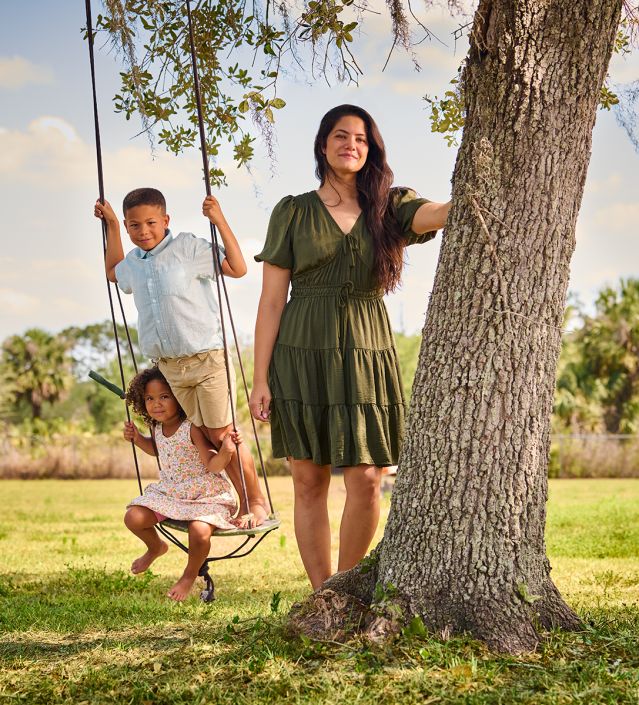
When Eleanor, a retired teacher, first started spending Tuesdays and Thursdays with her two young grandchildren, she expected endless games of peek-a-boo and storytelling. What she didn't anticipate was the mental workout she'd receive. From improvising fantastical tales to patiently explaining why the sky is blue, Eleanor found her mind sharper, her memory clearer, and her problem-solving skills surprisingly honed. It turns out, her experience isn't just anecdotal; it's backed by science.
The Surprising Cognitive Boost of Grandparenting
For many, caring your grandchildren is a profound source of joy and a vital support system for their adult children. Beyond the emotional rewards, recent research suggests that this special role offers significant cognitive benefits, helping to safeguard brain health as we age. What the study by Chereches et al. (2026) in the journal Psychology and Aging reveals is that caring your grandchildren is not just emotionally rewarding, but also a powerful buffer against cognitive decline.
Traditionally, we're encouraged to engage in mentally stimulating activities like puzzles or learning new languages to maintain cognitive vitality. However, a significant finding by the American Psychological Association indicates that grandparents who provide childcare consistently score higher on tests of memory and verbal fluency compared to their non-caregiving peers (National Institute on Aging, 2024). This holds true regardless of the frequency or specific type of care provided, highlighting the inherent value of the role itself.
A comprehensive 6-year study conducted in the Netherlands, involving nearly 3,000 grandparents aged 50 and older, meticulously tracked various caregiving activities. These ranged from overnight stays and helping with homework to driving to extracurriculars and simply playing. Notably, for grandmothers, the benefits extended to a measurably slower rate of cognitive decline over time compared to those who didn't engage in grandchild care.
Beyond Babysitting: How Engagement Sharpens the Mind
The magic isn't in the specific tasks, but in the quality of engagement. One key insight is the shift towards monotasking. When deeply immersed in a grandchild's world, whether building a complex LEGO castle or explaining the nuances of a new board game, attention becomes singularly focused. This contrasts sharply with the multitasking demands of modern adult life, allowing the brain to concentrate more effectively and build stronger neural pathways.
This finding highlights that caring your grandchildren is less about the specific activity and more about the quality of focused, social interaction. As children grow, their developing brains prompt grandparents to re-engage executive functioning and problem-solving skills. For instance, explaining abstract concepts in simple terms, like why a plant needs sunlight, or helping a grandchild navigate the basics of a new tablet for educational games, requires significant mental flexibility and patience. This active participation fosters cognitive agility.
Furthermore, the experience often rekindles creativity and storytelling abilities that may have lain dormant since raising one's own children. Planning a spontaneous scavenger hunt in the backyard or improvising a bedtime story with fantastical characters are examples of how grandparents tap into imaginative capacities. This renewed use of diverse cognitive skills contributes significantly to maintaining a vibrant and adaptive mind (University of California, 2023).
Navigating the Nuances: Balancing Joy and Challenges
While caring your grandchildren is often a positive experience, it's crucial to acknowledge the complexities that can arise. The research, while illuminating, doesn't always account for the full spectrum of family dynamics. Conflicts over boundaries, differing parenting styles with adult children, or feelings of being over-reliant upon can introduce stress that might mitigate some cognitive benefits.
For instance, mediating a sibling squabble over a toy or helping a grandchild with online learning when the technology is unfamiliar can be mentally demanding in ways that are not always joyous. The study's authors themselves noted this limitation, suggesting that providing care within a supportive family environment likely yields different cognitive effects than caregiving in a more stressful context where grandparents might feel unsupported by parents or spouses.
However, even when challenges arise, the very act of navigating these situations--requiring empathy, negotiation, and adaptive thinking--can itself be a form of cognitive exercise. Ultimately, whether it's daily involvement or occasional visits, caring your grandchildren is a unique opportunity to enrich your own cognitive landscape, foster deep intergenerational connections, and experience a profound sense of purpose that benefits both mind and spirit.