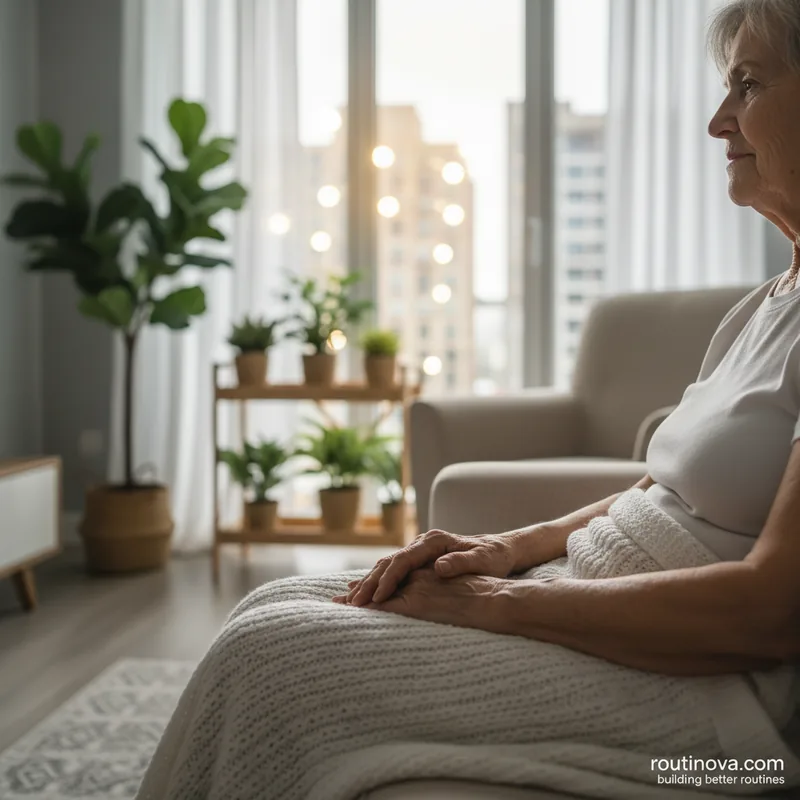
Have you ever considered what a "good death" truly looks like, not just for the individual, but for their loved ones navigating the complex healthcare system? A good death, one where an individual experiences dying with dignity, is characterized by comfort, respect, and autonomy, allowing for a peaceful transition surrounded by love. Unfortunately, in the U.S., achieving this ideal often requires immense advocacy due to a fragmented healthcare system that frequently prioritizes rigid protocols over human compassion. Our society spends vast resources on prolonging life, yet we often falter when it comes to supporting individuals and families as life naturally concludes. This oversight leads to unnecessary suffering and a profound sense of injustice for those seeking a dignified end.
The System's Shortcomings in End-of-Life Care
In the United States, the pervasive cultural narrative often frames death as a medical failure, something to be fought against at all costs. This perspective inadvertently contributes to a healthcare system that struggles to embrace the natural arc of life, particularly its conclusion. Despite growing awareness, end-of-life care, including vital hospice and palliative services, remains significantly underutilized and often delayed. A primary reason for this delay is a widespread misunderstanding of what these services entail and stringent eligibility criteria that can prevent timely access for patients truly nearing their final chapter.
For instance, many patients with advanced chronic illnesses, such as late-stage heart failure, are often denied hospice care because their specific lab values or functional metrics don't align with rigid, arbitrary checklists. A patient might be struggling with severe symptoms and declining quality of life, yet if their ejection fraction or albumin levels are deemed "too high," they might not "qualify" for the very care designed to alleviate their suffering. This disconnect between clinical reality and bureaucratic requirements creates immense frustration and prevents individuals from experiencing comfort and dying with dignity when they need it most (Mayo Clinic, 2023).
The consequences of this systemic rigidity are profound, leading to prolonged suffering, unnecessary medical interventions, and emotional distress for both patients and their families. When care is delayed, opportunities for meaningful conversations, advanced care planning, and truly patient-centered support are lost, leaving families overwhelmed and unprepared.
Our Father-Daughter dance at my wedding.Source: Cynthia Chen-Joea
Barriers to Compassionate Care: A Personal Account
The challenges within the healthcare system became acutely personal when my own father, living with Parkinson's Dementia for over a decade, approached his final months. His slow, relentless decline was heartbreaking to witness, and as a physician, I recognized the clear signs that his end-of-life journey had begun. He was eating less, sleeping more, and eventually became completely bedbound. The need for hospice care was evident, but what I didn't anticipate was the arduous battle we would face to secure it.
Our journey was fraught with systemic hurdles. We encountered missed follow-ups and a rigid adherence to protocols that defied common sense; my bedbound father was asked to come into the clinic for labs, and a telehealth visit was initially denied. It took my intervention as a physician to secure an exception. Then came the request for hospice, which was met with rejection based on arbitrary metrics--a slight weight gain and "too high" albumin levels. These checkboxes, designed for efficiency, completely overlooked the nuanced reality of his suffering and decline.
When hospice proved inaccessible, we sought palliative care, only to be met with a labyrinthine system. Countless calls bounced between departments, many staff members unclear on the distinctions between hospice and palliative care, or the process for guiding families. Even with my medical background, the sheer number of barriers to advocating for comfort, respect, and dying with dignity for my father was stunning.
The situation culminated in a crisis. My mother called 911, and on the way to the hospital, my father coded. He was resuscitated and intubated--precisely what we had hoped to avoid. Upon arrival, his albumin levels were still deemed "too high" for hospice. In that hospital room, I found myself in a conversation I had facilitated countless times for other families: the agonizing decision to withdraw care. Explaining the kindest, most compassionate choice to my mother, while knowing it was for my own father, was the hardest decision of our lives.
A study by the National Hospice and Palliative Care Organization (NHPCO) highlights that only about 50% of eligible patients receive hospice care in their last year of life, often due to late referrals or misunderstanding of benefits. This statistic painfully mirrors our family's experience, underscoring how widespread these systemic failures are (NHPCO, 2022).
My parents at the hospital after the birth of my baby girl.Source: Cynthia Chen-Joea
Reclaiming Dignity: The Path to a Peaceful Transition
Despite the systemic obstacles, we ultimately chose a compassionate extubation and comfort care. We remained by his bedside through the night, honoring our Chinese cultural traditions by gathering belongings and items to guide him into the afterlife. In the early morning, surrounded by love, my father passed quietly and peacefully. This was the death we had hoped for--one grounded in presence, dignity, and profound love--but it was a death we had to fiercely advocate for, despite the system.
The fact that my father, even on his deathbed, did not "qualify" for hospice based on arbitrary criteria remains a stark reminder of the system's failings. These metrics cannot measure suffering, nor can they capture the heartbreak of watching a loved one fade. At the end of life, what families truly need is not more rules or checklists, but genuine compassion and understanding from a healthcare system that has become so entangled in policy, protocol, and paperwork that it has often lost sight of its fundamental purpose: to care.
The ultimate goal of medicine should extend beyond merely treating diseases or prolonging life. It must encompass honoring the dignity of life even as it concludes. When death is treated as a failure or an inconvenience to be avoided until the very last moment, we inflict unnecessary emotional harm and deny individuals the opportunity for a peaceful transition. For example, a family in California successfully utilized a doula specializing in end-of-life support to navigate complex medical decisions and create a personalized comfort plan, illustrating a proactive approach beyond traditional medical systems (Stanford Health Care, 2021).
A Call for Systemic Transformation
Hospitals and healthcare systems have a moral imperative to improve end-of-life care. This transformation must begin with integrating palliative care much earlier in the disease course, ensuring that patients and families receive holistic support--managing symptoms, understanding prognosis, and planning for the future--without the rigid constraints often associated with hospice. Furthermore, hospice pathways must be clarified and made more accessible, ensuring that eligibility is guided by clinical reality and patient values, rather than by arbitrary laboratory thresholds or bureaucratic checklists.
When hospice is not appropriate or desired, patients and families still deserve comprehensive guidance about alternative forms of support. This requires significant investment in training healthcare professionals at every level--from front-line staff to specialists--to understand the nuances of hospice and palliative care, initiate these sensitive conversations early, and support families with empathy and clarity. The goal is to ensure that every individual has the opportunity to experience dying with dignity, a fundamental human right that should not depend on a family's ability to navigate an overly complex system (Harvard Medical School, 2024).
In our Chinese tradition, we honor those who passed with offerings, incense, and presence. This is how we remember my dad.Source: Cynthia Chen-Joea
Honoring Life's Full Arc
As physicians, we dedicate ourselves to helping people live well and with meaning. Death, in this context, is not a failure of medicine; it is an undeniable, natural part of life's full arc. What is a profound failure, however, is our frequent inability to provide compassionate, dignified care for individuals as they approach their final moments. This is a failure we can--and absolutely must--change.
Dying with dignity should never be a privilege that families have to fight for; it should be the unwavering standard of care. It is a reflection of the Hippocratic oath we take as doctors: to do no harm, respect autonomy, preserve dignity, and recognize our limits. The end of life represents one of the most sacred moments we are called to witness, a transition that deserves humanity, respect, and thoughtful support.
When we fail to meet this moment with the compassion it demands, we fail not only our patients and their grieving families but also the very purpose of our profession. How we choose to care for people at the end of their lives speaks volumes about who we are as a healthcare system and as a society. It reveals whether we are truly willing to honor death not as a defeat or an inconvenience, but as a sacred, inevitable transition deserving of profound dignity and unwavering compassion.