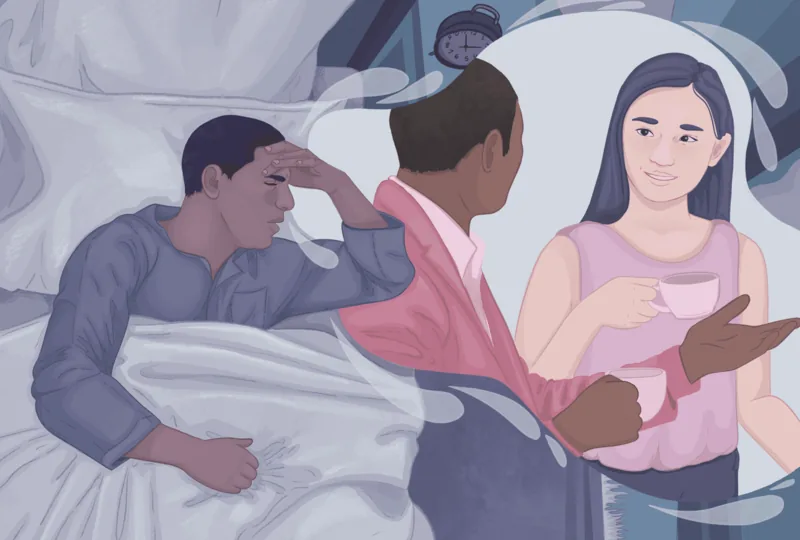
What if you could consciously reshape your brain's responses, altering deeply ingrained patterns of anxiety, inattention, or even pain? The idea of directly influencing your brain activity might sound like science fiction, but it's the core promise of neurofeedback therapy. This innovative approach allows individuals to gain insights into their own neural processes, learning to modulate brainwave patterns for improved mental and emotional well-being. It's a journey into self-regulation, offering a unique path to understanding and transforming how your mind functions.
Understanding Neurofeedback Therapy
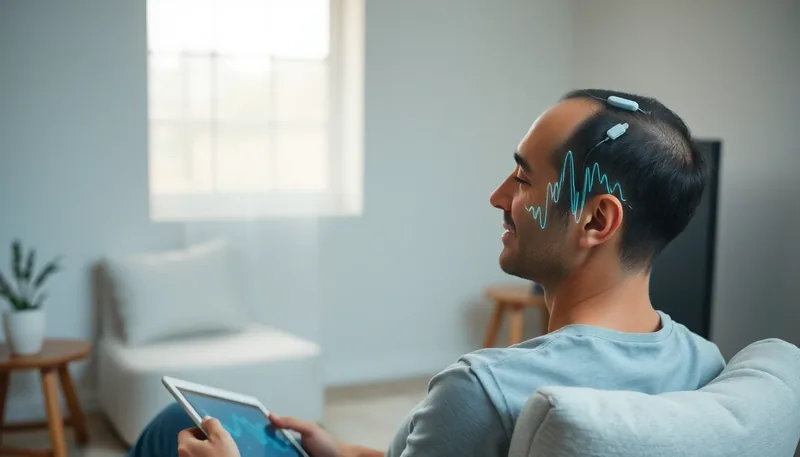
Neurofeedback therapy, often described as brain training, is a non-invasive process that uses advanced technology to monitor brainwave activity in real time. For anyone considering this innovative approach, here is what to know about the fundamental principles behind neurofeedback. Electrodes, typically placed on the scalp, detect electrical activity in specific brain regions. This information is then translated into immediate, understandable feedback, usually in the form of audio tones, visual displays, or even interactive games.
Patients observe their brain's reactions to various prompts or stimuli, often without conscious effort. For instance, a screen might brighten when desirable brainwave patterns are produced, or a sound might change in pitch. This instantaneous feedback allows the individual to develop an intuitive understanding of their brain's activity. Over time, and with consistent practice, the brain learns to self-regulate, reinforcing more adaptive patterns and reducing those associated with undesirable symptoms. This process helps individuals understand the root of certain feelings or reactions that they might not even realize are occurring, fostering greater self-awareness and control (Clinical Neuroscience, 2023).
Exploring Different Neurofeedback Modalities
When exploring the landscape of neurofeedback, it's essential to understand what to know about the various types available, as each is tailored to address specific brain frequencies and conditions. The electrodes attached to the skin are designed to detect particular brain frequencies, which are essentially the speed at which brain waves are emitted, indicating different brain functions or reactions.
Frequency/Power Neurofeedback: This is the most common and straightforward type, sometimes called "surface neurofeedback." It typically involves two to four electrodes to detect frequencies linked to conditions like ADHD, anxiety, and insomnia.
Slow Cortical Potential Neurofeedback (SCP-NF): Aimed at helping individuals with ADHD, epilepsy, and migraines, SCP-NF has shown promise, even being explored as a non-pharmacological alternative for children with ADHD (Pediatric Neurology, 2014).
Low-Energy Neurofeedback System (LENS): Unlike other types, LENS doesn't require conscious effort from the patient. While lying still with eyes closed, electrodes identify areas of low brain activity. They then emit very low magnetic field frequencies, which can gradually alter brain function. LENS has been applied to conditions such as insomnia, fibromyalgia, restless legs syndrome, anxiety, depression, and anger (Biofield Research, 2014).
Hemoencephalographic (HEG) Neurofeedback: Specifically beneficial for those suffering from severe migraines, HEG monitors blood flow in the brain. The feedback helps patients learn to increase blood flow to specific areas, potentially reducing the pain or recurrence of migraines (Headache Research, 2003).
Live Z-score Neurofeedback: This modality has shown effectiveness in treating insomnia. A compelling case study reported significant symptom improvement in a group after just 15 sessions of 20 minutes each (Applied Psychophysiology, 2011).
Low-Resolution Electromagnetic Tomography (LORE-TA): Requiring 19 electrode attachments, LORE-TA monitors intricate brain activities related to obsessive-compulsive disorder, addiction, and depression. This method provides detailed insights into the brain's inner workings, particularly in individuals with addiction (Neuroscience Reports, 1994).
Functional Magnetic Resonance Imaging (fMRI) Neurofeedback: Currently the most research-intensive method, fMRI neurofeedback uses advanced imaging to map out the brain's internal mechanisms, offering a precise view of neural activity (Brain Imaging, 2015).
Beyond clinical applications, neurofeedback is also being explored for performance enhancement. For example, a professional gamer might use frequency training to enhance their focus and reaction time during competitive play, learning to maintain optimal brain states under pressure.
Conditions and Applications of Neurofeedback
Neurofeedback therapy is a continuously evolving field with a wide array of potential applications. Patients often seek neurofeedback for a range of mental and neurological concerns, and it's helpful to know what to know about the specific conditions it aims to address. While research is ongoing, the primary conditions for which people typically explore neurofeedback include:
Attention-Deficit/Hyperactivity Disorder (ADHD)
Depression
Insomnia and sleep disturbances
Migraines and chronic headaches
Addiction and substance use disorders
Obsessive-Compulsive Disorder (OCD)
Chronic low energy
Anger management issues
For instance, an athlete might utilize neurofeedback to manage pre-competition jitters, learning to quiet an overactive mind and improve mental clarity for peak performance. In another scenario, a university student could use neurofeedback to reduce test anxiety, learning to maintain a calm and focused brain state during exams. If you are considering neurofeedback for a particular condition, it is crucial to research practitioners who specialize in that specific area to ensure the most effective and targeted treatment.
Unpacking the Benefits and Efficacy
As with any therapeutic modality, understanding what to know about the documented benefits and scientific efficacy is crucial. One of the most significant advantages of neurofeedback therapy is its capacity to reveal the intricate, often unconscious, workings of the brain. This provides individuals with an unbiased view of their reactions, helping them identify unhelpful behavioral patterns and actively work towards changing them.
The real-time feedback mechanism is another powerful benefit. It allows for immediate understanding and adjustment of brain activity, which can be particularly advantageous for individuals struggling with anger management, who may be sensitive to external input (Neurotherapy Journal, 2013). While still being extensively researched, neurofeedback has demonstrated promising effectiveness in small group studies, with outcomes often depending on the number of sessions and the specific condition being addressed.
Beyond its impact on the conditions listed, neurofeedback has also shown potential for cognitive enhancement. A study involving 20 older adults, for example, reported increased brain activity after eight 30-minute sessions of gamma or beta neurofeedback. Participants showed significant increases in brain activity, suggesting that the aging brain retains more capacity than previously thought. However, the study noted no significant changes in cognitive functioning directly attributable to the therapy (Aging Research, 2014).
Furthermore, neurofeedback has consistently shown positive impacts on children with ADHD. One notable study indicated that both parents and children reported significant improvements after an intensive summer of neurofeedback training, highlighting its potential as a supportive intervention (Child Psychology, 1995).
Important Considerations and Getting Started
Before embarking on this journey, it's important to know what to know about the practical considerations and how to begin. It's vital to remember that neurofeedback therapy is a continuously evolving field, with ongoing research refining its applications and understanding (Neuroscience Society, 2015).
Several practical aspects warrant consideration. Insurance coverage for neurofeedback sessions can be inconsistent, and treatment may involve a significant personal investment. The therapy also requires a time commitment, often involving multiple sessions over several weeks or months. Additionally, questions regarding the long-term durability of the benefits are still being explored. Despite these considerations, many medical professionals and researchers believe neurofeedback holds significant promise for developmental and addiction issues, with numerous individuals and families reporting improvements in clinical trials.
To find a qualified practitioner, resources like the International Society for Neuroregulation & Research (ISNR) offer directories. When contacting a potential therapist or doctor, inquire about insurance coverage, payment options, the typical number of electrodes used, their approach for patients with your specific background, and the estimated number of sessions. Your first session will usually involve a comprehensive review of your medical history and the concerns you wish to address. Sessions can vary widely, from traditional talk therapy to passive monitoring while you watch a movie, listen to music, or engage with a game, all while your brain activity is being observed and trained.