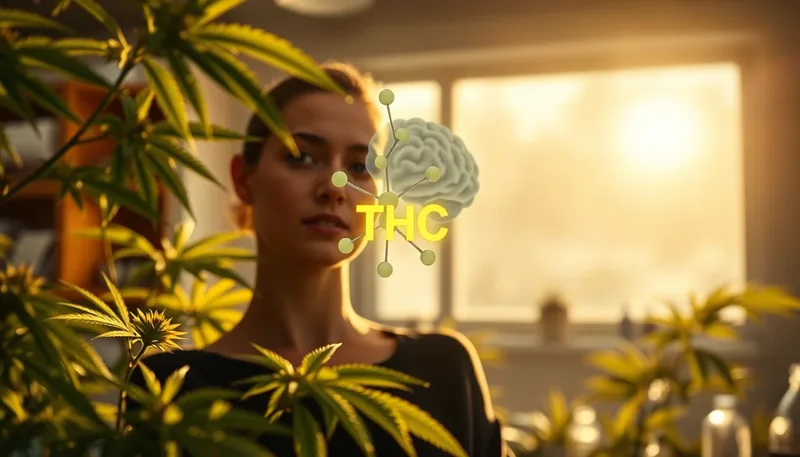
Delta-9-tetrahydrocannabinol--commonly known as THC--is the primary psychoactive component of cannabis that produces the characteristic "high" associated with marijuana use. As the most researched cannabinoid, THC interacts with the body's endocannabinoid system to produce both therapeutic benefits and potential risks. Understanding this complex molecule is essential for making informed decisions about cannabis use, whether for medical purposes or personal exploration.
What Is THC?
THC stands for delta-9-tetrahydrocannabinol, the main psychoactive component of cannabis plants. This molecule binds to cannabinoid receptors throughout the brain and body, primarily affecting the central nervous system. While cannabis contains over 100 different cannabinoids, THC remains the most prominent due to its intoxicating effects and therapeutic potential.
The psychoactive properties of THC distinguish it from other cannabinoids like CBD, which doesn't produce intoxication. When consumed, THC crosses the blood-brain barrier and activates the brain's reward system by stimulating dopamine release. This mechanism explains both the pleasurable sensations and the addictive potential associated with regular use.
How THC Works in the Body
THC operates through the endocannabinoid system, a complex network of receptors and neurotransmitters that regulates various physiological processes. The molecule's psychoactive effects occur primarily through its interaction with CB1 receptors in the brain.
The Endocannabinoid System
This biological system plays a crucial role in maintaining homeostasis, influencing everything from mood and appetite to pain perception and memory. THC mimics the body's natural endocannabinoids, particularly anandamide, but with stronger and longer-lasting effects. Research indicates that THC's interaction with this system explains both its therapeutic benefits and potential side effects (Harvard Medical School, 2024).
Neurochemical Effects
When THC activates CB1 receptors, it triggers dopamine release in the brain's reward pathways. This creates the euphoric sensations associated with cannabis use. However, this same mechanism contributes to dependence potential, as the brain learns to associate THC consumption with pleasurable outcomes. Regular use can lead to tolerance, requiring higher doses to achieve the same effects.
Forms and Consumption Methods
Modern cannabis products offer diverse ways to consume THC, each with distinct onset times, duration, and intensity of effects. Understanding these options helps users make safer, more effective choices.
Traditional Inhalation
Smoking remains the most common method, with effects appearing within minutes and lasting 1-3 hours. Vaping has gained popularity as a potentially less harmful alternative, though recent safety concerns about vaping-related lung injuries have prompted caution. Both methods provide rapid relief for conditions like chronic pain and nausea, making them preferred options for medical users needing immediate symptom management.
Edibles and Oral Products
THC-infused foods, beverages, and capsules offer longer-lasting effects (4-8 hours) with delayed onset (30-90 minutes). This method avoids respiratory risks but requires careful dosing due to the delayed effects. Pharmaceutical preparations like dronabinol provide standardized THC doses for medical applications, particularly for chemotherapy-induced nausea and AIDS-related appetite loss.
Emerging Delivery Systems
Recent innovations include transdermal patches that provide controlled THC release over extended periods, sublingual strips that dissolve under the tongue for rapid absorption, and nano-emulsified beverages with faster onset times. These developments reflect the growing sophistication of cannabis products beyond traditional forms.
Medical Applications
THC demonstrates significant therapeutic potential across multiple medical conditions, though research continues to evolve. The FDA has approved synthetic THC medications for specific indications, while whole-plant cannabis remains under investigation.
Approved Medical Uses
Dronabinol (Marinol, Syndros) and nabilone (Cesamet) are FDA-approved synthetic THC medications prescribed for chemotherapy-induced nausea and vomiting, as well as AIDS-related anorexia. These pharmaceuticals provide standardized dosing and quality control unavailable with whole-plant products. Clinical trials show approximately 70% of chemotherapy patients experience significant nausea reduction with THC-based treatments (Mayo Clinic, 2023).
Emerging Therapeutic Areas
Research suggests THC may benefit chronic pain management, particularly neuropathic pain resistant to conventional treatments. Studies also indicate potential applications for multiple sclerosis spasticity, glaucoma, and certain sleep disorders. The entourage effect--where THC works synergistically with other cannabis compounds--may enhance therapeutic outcomes while mitigating side effects.
Mental Health Considerations
While some users report anxiety relief with low-dose THC, higher doses can exacerbate anxiety symptoms. Research on depression remains mixed, with some studies suggesting mood improvement and others indicating increased depression risk with heavy use. Medical professionals emphasize that THC should complement, not replace, established mental health treatments.
Potential Risks and Side Effects
Despite therapeutic potential, THC carries significant risks, particularly with frequent use or high-potency products. Understanding these dangers enables safer consumption practices.
Short-Term Effects
Immediate side effects include impaired coordination, altered judgment, increased heart rate, dry mouth, and bloodshot eyes. These typically resolve within hours but can be problematic for activities requiring focus, such as driving. Novel products like THC-infused beverages have led to accidental overconsumption cases, highlighting the importance of clear labeling and responsible use.
Long-Term Concerns
Regular THC use, particularly during adolescence, may affect brain development and cognitive function. Research indicates potential impacts on memory, attention, and executive functioning. A 2023 longitudinal study found that adolescent cannabis users showed altered neural connectivity patterns persisting into adulthood (Journal of Neuroscience, 2023).
Psychosis and Mental Health
High-potency THC products increase psychosis risk, particularly in individuals with genetic vulnerability. The relationship appears dose-dependent, with daily use of high-THC cannabis associated with up to five times greater psychosis risk compared to non-users. These findings have prompted public health warnings in regions with legalized cannabis markets.
Addiction and Dependence
Contrary to popular belief, THC can lead to substance use disorder, with approximately 30% of regular users developing dependence. The risk increases with early initiation, frequent use, and high-potency products.
Cannabis Use Disorder
Diagnostic criteria include unsuccessful attempts to cut down, cravings, tolerance development, and continued use despite negative consequences. Withdrawal symptoms--irritability, sleep disturbances, decreased appetite, and restlessness--typically peak within the first week of cessation and can persist for several weeks.
Treatment Approaches
Effective interventions include cognitive behavioral therapy, motivational enhancement therapy, and contingency management. While no medications specifically target cannabis use disorder, supportive treatments can address co-occurring conditions like anxiety or depression. Recovery rates improve significantly with professional support compared to self-directed cessation attempts.
Legal Landscape and Regulation
Cannabis laws continue evolving globally, creating a complex patchwork of regulations affecting THC access and use.
United States Regulations
Federal law classifies cannabis as a Schedule I substance, though many states have legalized medical and/or recreational use. The proposed reclassification to Schedule III would acknowledge medical utility while maintaining restrictions. This discrepancy between state and federal laws creates challenges for research, banking, and interstate commerce.
Global Perspectives
Countries like Canada and Uruguay have legalized recreational cannabis nationwide, while others maintain strict prohibition. European nations generally permit medical use with varying degrees of restriction. These differing approaches provide natural experiments in cannabis policy, with early data suggesting legalization doesn't necessarily increase adolescent use but may reduce illicit market activity.
Quality and Safety Concerns
Unregulated markets pose contamination risks from pesticides, heavy metals, and microbial pathogens. Legal markets implement testing requirements, but inconsistencies remain. Consumers should seek products with certificates of analysis from independent laboratories, verifying potency and purity.
Responsible Use Guidelines
For those choosing to use THC products, harm reduction principles can minimize risks while maximizing potential benefits.
Start low and go slow, particularly with edibles or unfamiliar products. Wait at least two hours before consuming additional doses. Avoid combining THC with alcohol or other substances, as interactions can amplify impairment. Never drive or operate machinery while intoxicated--impairment can persist longer than subjective feelings of being "high."
Consider the setting and your mental state before use. Anxiety-prone individuals may benefit from products with balanced THC:CBD ratios. Keep products securely stored away from children and pets, preferably in child-resistant containers. Regular users should consider tolerance breaks to reset sensitivity and reduce dependence risk.
Consult healthcare providers about potential medication interactions, particularly with blood thinners, sedatives, or psychiatric medications. Document your experiences to identify optimal products and dosages for your needs. Remember that individual responses vary significantly based on genetics, metabolism, and previous experience.
Future Research Directions
Scientific understanding of THC continues advancing, with several promising research areas emerging. Studies investigating minor cannabinoids and terpenes may reveal new therapeutic combinations. Genetic research aims to identify individuals at higher risk for adverse effects, enabling personalized recommendations.
Novel delivery systems promise more precise dosing and targeted effects. International collaborations are standardizing research methodologies, addressing historical limitations in cannabis science. As legal barriers diminish, expect accelerated discoveries about THC's mechanisms and applications.
THC remains a molecule of contradictions--both medicine and intoxicant, both ancient remedy and modern pharmaceutical. Navigating this complexity requires balancing potential benefits against established risks, informed by evolving science rather than cultural assumptions. Whether considering medical use or personal exploration, education remains the most powerful tool for responsible engagement with this remarkable compound.