We live in a world wired for connection, yet the quiet echo of solitude can feel deafening, especially when the calendar turns. New Year's Eve, with its societal pressure for celebration and togetherness, can amplify feelings of loneliness. But what if being alone on this particular night wasn't a deficit, but an opportunity? Learning how to cope when you find yourself solo on New Year's Eve is about shifting perspective and reclaiming the narrative.
This is your chance for a deliberate pause, a moment for genuine self-reflection and intentional self-care. Instead of focusing on what might be missing, let's explore how to make this solitary celebration deeply meaningful and restorative. You can transform a potentially isolating evening into a powerful act of self-love and personal growth.
Embrace the Quiet for Self-Reflection
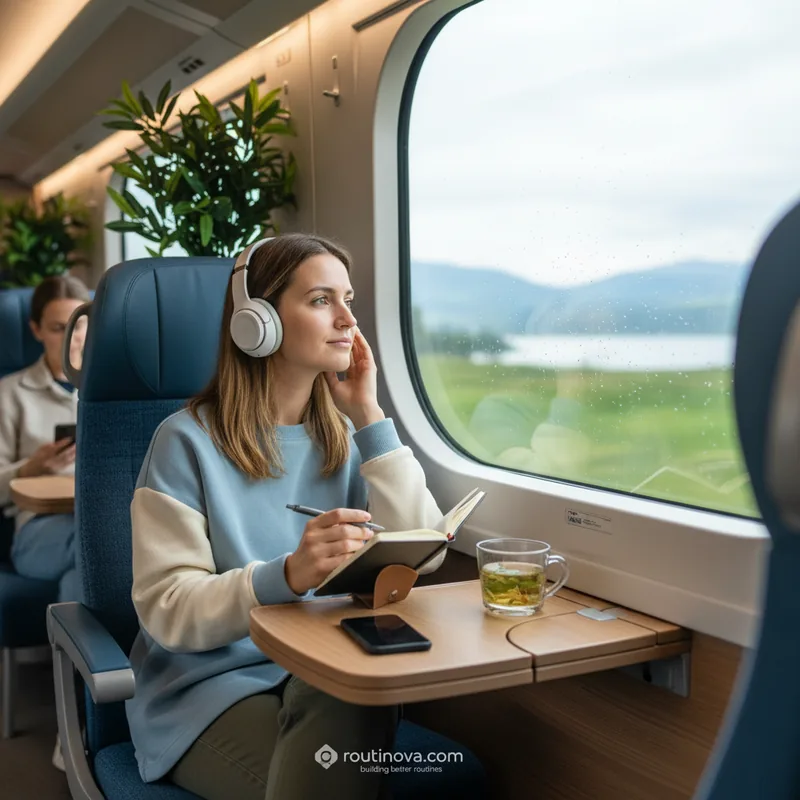
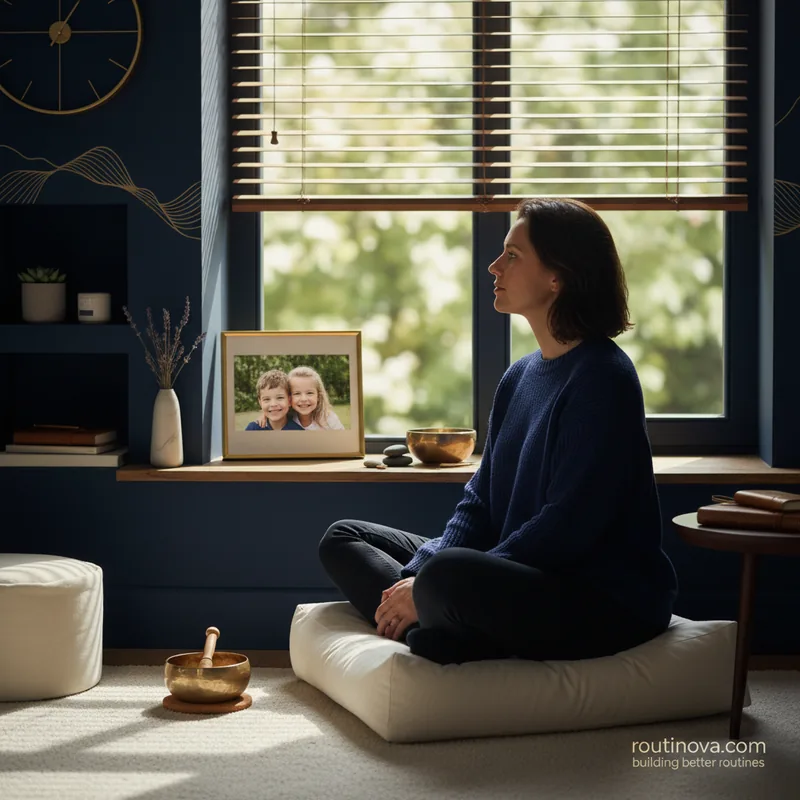
The final hours of the year offer a unique space for introspection. When you're not caught up in the buzz of a crowd, you can engage in a more profound and honest assessment of the past twelve months. Acknowledge your triumphs, no matter how small they may seem. Did you learn a new skill? Overcome a personal challenge? Simply navigate a tough week with grace? Recognizing these moments is crucial.
If the year has been kind, consider a well-deserved treat. This could be anything from planning a dream vacation you've always wanted to take, even if it's just a future possibility, to indulging in a delicious meal, either cooked at home or ordered from your favorite restaurant. Perhaps it's finally buying that book you've been eyeing or investing in a small wellness item, like an aromatherapy diffuser, to enhance your home sanctuary.
Conversely, if the year felt like a series of setbacks, use this time to understand what didn't go as planned. What lessons can be gleaned? Embracing optimism, even when things feel disappointing, is key to moving forward. Starting each day, or in this case, each new year, with a hopeful outlook can guide you towards your goals (Stack, 1995).
Craft Your Own Celebration
Being alone doesn't mean you have to forgo the spirit of New Year's Eve. It simply means designing a celebration that resonates with you. This is where learning how to cope when you're by yourself truly shines, allowing for personalized enjoyment.
Read a Book: If a quiet evening is your preference, treat it like any other cherished night. Curl up with a captivating novel or delve into a non-fiction book that sparks your interest. For those inclined towards personal development, a self-help book focused on relationships or emotional well-being could be particularly fitting.
Set Meaningful Resolutions: New Year's Eve is a classic time for resolutions. Instead of vague intentions, aim for specific, actionable goals. Consider resolutions that foster growth and connection:
- Cultivate gratitude for your strengths and blessings.
- Develop assertiveness to communicate your needs more effectively.
- Prioritize healthy habits like balanced nutrition, adequate sleep, and regular exercise.
- Practice facing challenges head-on, perhaps by saying "yes" to one new experience.
- Seek support for mental health concerns through therapy or online communities.
- Refine social skills, like learning to initiate and maintain conversations.
- Embrace radical acceptance of yourself, quirks and all.
Consider resolutions that directly address areas where you want to grow, such as improving communication skills or building resilience.
Say 'Yes' to an Invitation: If you initially declined an invitation due to apprehension--perhaps feeling like the odd one out or overwhelmed by social pressure--it's not too late to reconsider. Accepting a last-minute invitation can be a fantastic way to practice stepping outside your comfort zone and usher in the new year with a commitment to embracing more social opportunities.
Indulge in Entertainment: Staying in can be just as festive. Order some gourmet takeout, queue up your favorite films--perhaps a New Year's Eve classic like 'When Harry Met Sally' or a thrilling heist movie like 'Ocean's Eleven'--and enjoy the iconic ball drop. These activities provide a sense of participation and holiday spirit from the comfort of your own space.
Connect in Your Own Way
Even when physically alone, connection is still within reach. Understanding how to cope when you're solitary on this night means leveraging available tools to feel part of something larger.
Schedule Calls: Arrange calls with loved ones right before midnight. A simple countdown together can make the moment feel shared. You don't need lengthy conversations; a brief connection to ring in the new year is often enough. Video calls via platforms like FaceTime or Zoom can add an extra layer of personal touch.
Engage on Social Media (Mindfully): If phone calls aren't feasible, social media can be a bridge. Share your New Year's Eve moments or simply observe others celebrating across different time zones. The key is to engage positively and avoid the trap of comparison or negative scrolling.
Embrace the Mundane: Sometimes, the best way to handle the pressure of a holiday is to simply ignore it. Treat New Year's Eve like any other night. Tidy your living space, experiment with a new recipe, or prioritize a full night's sleep. Don't let tradition dictate your comfort if you're not feeling celebratory.
Manage Expectations for Lasting Well-being
Holidays can sometimes trigger feelings of melancholy, especially if expectations don't align with reality. This phenomenon, sometimes called the 'broken promises effect,' occurs when the idealized version of a holiday clashes with lived experience, leading to disappointment (Stack, 1995).
If you anticipated the new year bringing drastic positive changes but still feel anxious or down, remember that personal growth is a gradual process. Setting realistic expectations for New Year's Eve, and indeed for any celebration, is crucial for maintaining emotional balance. Learning how to cope when you feel overwhelmed by these feelings is essential.
If social anxiety or persistent low mood significantly impacts your life, consider seeking professional guidance. Resources like the Substance Abuse and Mental Health Services Administration (SAMHSA) National Helpline (1-800-662-4357) can provide information on support and treatment options (SAMHSA, n.d.). Remember, navigating how to cope when you feel alone is a skill that can be learned and strengthened over time.