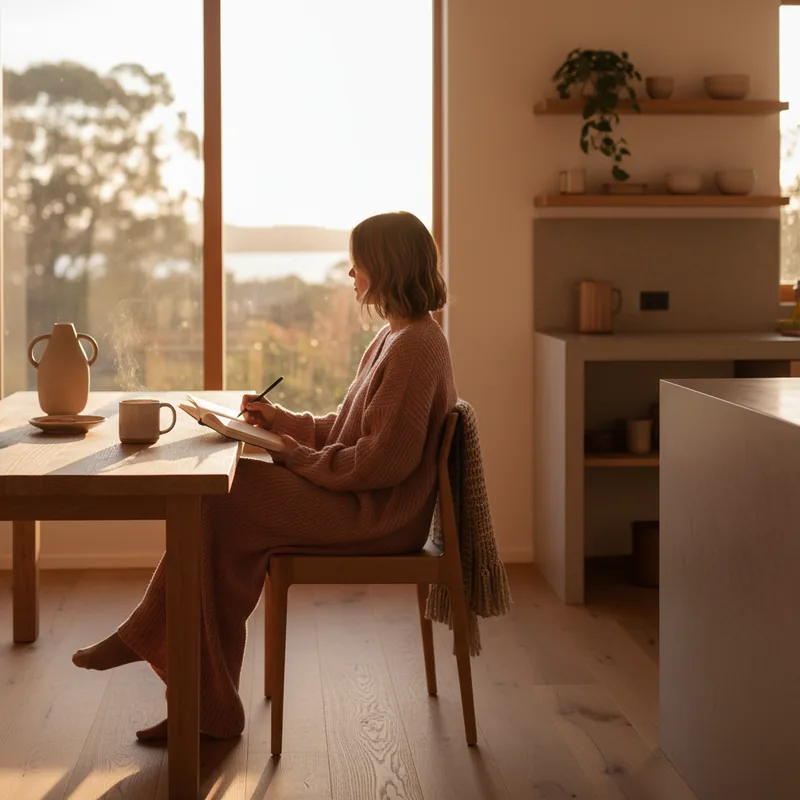
In a world that constantly buzzes with connection and demands our attention, the idea of choosing to be alone can feel counterintuitive. Yet, the psychological benefits of being alone are profound, offering a sanctuary for self-discovery, enhanced creativity, and deeper peace. If you're seeking a way to recharge and reconnect with yourself amidst the noise, embracing solitude is a powerful, often overlooked, path to well-being.
Alone vs. Lonely: Understanding the Difference
It's crucial to distinguish between being alone and experiencing loneliness. Loneliness is a distressing emotional state characterized by a yearning for social connection that isn't being met, even when surrounded by others. In contrast, being alone is a physical state of solitude, a deliberate choice to spend time by oneself, separate from social interactions.
You can feel lonely in a crowded room, and you can feel perfectly content and fulfilled when you are by yourself. The key difference lies in intention and feeling. Solitude, when chosen and embraced, fosters a sense of peace and allows for genuine self-reflection without external pressures or opinions.
While prolonged, unwanted isolation can be detrimental, research indicates that a healthy dose of voluntary solitude is vital for mental and emotional health, especially as we age (Weinstein et al., 2021). It provides an essential break from the constant demands and distractions of social life, allowing for introspection and personal growth.
The Profound Psychological Benefits of Being Alone
Embracing time by yourself isn't about avoiding people; it's about investing in yourself. The psychological benefits of being alone are multifaceted, contributing to a richer inner life and improved overall well-being, provided it's balanced with meaningful social connections.
Enhanced Self-Awareness and Reflection
When you're not constantly interacting with others, you have the mental space to truly listen to your own thoughts, feelings, and needs. This quiet introspection is fundamental to understanding yourself better, recognizing your values, and identifying your personal goals. It's during these moments of solitude that you can process experiences, gain clarity on challenges, and make decisions aligned with your authentic self.
Boosted Creativity and Problem-Solving
While brainstorming in groups is often touted, solo work can be a powerful catalyst for creativity. Without the pressure to conform or the distraction of group dynamics, your mind is free to wander, make novel connections, and explore unconventional ideas. Studies suggest that individuals are just as capable, if not more so, of solving complex problems when working independently, free from the need for consensus (Brand et al., 2023).
Consider a writer facing a plot dilemma or an artist seeking inspiration; stepping away to work alone can unlock breakthroughs that group sessions might stifle due to social pressures.
Improved Focus and Memory
In collaborative settings, individuals might unconsciously rely on others to carry the cognitive load, a phenomenon known as social loafing. When you work alone, you are solely responsible for the task, which often leads to deeper engagement and better information retention. Research has shown that individual recall can outperform group recall for certain types of memory tasks (Marion & Thorley, 2016).
This improved focus extends beyond work. Whether you're learning a new skill or simply trying to absorb a complex topic, solitude minimizes distractions, allowing for concentrated learning.
Strengthened Relationships
Paradoxically, spending time alone can significantly improve your relationships with others. By taking time for self-care and personal reflection, you return to social interactions refreshed and with a clearer sense of self. This can lead to more meaningful and less dependent connections. Furthermore, brief periods of absence can sometimes enhance appreciation for loved ones, as the saying "absence makes the heart grow fonder" suggests (Li & Kanazawa, 2016).
Increased Empathy and Emotional Intelligence
While it might seem counterintuitive, a period of solitude can actually enhance your ability to understand and connect with others. By stepping back and reflecting on your own experiences and emotions, you can develop a greater capacity to recognize and empathize with the feelings of those around you. Taking a break from constant digital communication, for instance, has been shown to improve individuals' ability to interpret non-verbal emotional cues (Uhls et al., 2014).
Personal Growth and Self-Discovery
Time spent alone is an invaluable opportunity for personal development. It allows you to explore your interests without judgment, pursue hobbies that truly resonate with you, and challenge yourself in ways that align with your aspirations. Whether it's picking up a new skill or simply reflecting on your life's journey, solitude provides the fertile ground for growth.
Activities to Embrace the Power of Being Alone
If you're looking for ways to incorporate more beneficial solitude into your life, consider these activities:
Explore Nature Solo
Going for a hike, a walk in a park, or simply sitting by a lake alone can be incredibly restorative. Nature has a calming effect, reducing stress and improving mood. It offers a chance to disconnect from technology and reconnect with the physical world, fostering both mental and physical health (Oh et al., 2017).
Indulge in a Solo Cultural Outing
Visit a museum, art gallery, or attend a concert or play by yourself. This allows you to fully immerse yourself in the experience without the need to cater to anyone else's preferences or pace. You can linger at exhibits that fascinate you or leave ones that don't, making the experience entirely your own.
Travel Independently
Solo travel can be a transformative experience. It pushes you out of your comfort zone, enhances problem-solving skills, and offers unparalleled freedom to explore the world on your own terms. It's a powerful way to build confidence and gain new perspectives (Hamid et al., 2021).
Pursue a New Skill or Hobby
Enroll in a class--be it pottery, coding, a new language, or cooking--that genuinely interests you. This is a fantastic way to dedicate time to personal enrichment and meet new people who share your passions, all while focusing on your own learning journey.
Practice Mindful Activities
Engage in solo activities that promote mindfulness, such as meditation, yoga, or even mindful walking. These practices help anchor you in the present moment and cultivate a deeper sense of inner peace and self-awareness.
Creative Writing or Journaling
Dedicate time to writing down your thoughts, ideas, or stories. Journaling helps process emotions and clarify thinking, while creative writing allows you to explore imaginative worlds and express yourself freely.
Digital Detox
Intentionally disconnect from your phone and the internet for a set period. This allows you to be fully present in your surroundings and engage more deeply with offline activities, reducing the constant mental chatter from notifications and social media.
Cultivating Healthy Solitude
Learning to be comfortable and thrive in your own company is a skill that can be developed. It requires intention and practice, especially in our hyper-connected society.
Plan Your Alone Time: Schedule dedicated periods for solitude, just as you would for social engagements or work. Treat this 'me time' as a valuable appointment you keep with yourself.
Minimize Distractions: When you set aside time to be alone, consciously reduce potential distractions. Put away your phone, close unnecessary tabs on your computer, and create an environment conducive to introspection or chosen activity.
Value Your Thoughts: Recognize that your inner world is rich and deserves attention. Cultivate a mindset that views solitude not as an absence of others, but as a presence of self.
Find Your Rhythm: Solitude doesn't always mean absolute silence. Some find peace while listening to calming music or reading. Others might prefer the quiet contemplation of meditation. Experiment to find what helps you achieve a state of inner calm and focus.
Summary: Embracing Your Alone Time
Whether you naturally gravitate towards solitude or find it more challenging, integrating intentional periods of being alone into your life offers significant psychological benefits. It's an opportunity to nurture your inner life, enhance creativity, deepen self-understanding, and ultimately, strengthen your connection with yourself and others.
By consciously choosing and valuing your alone time, you invest in your resilience, well-being, and personal growth. Make it a priority to carve out moments for yourself each week, fostering a richer, more balanced, and fulfilling life.