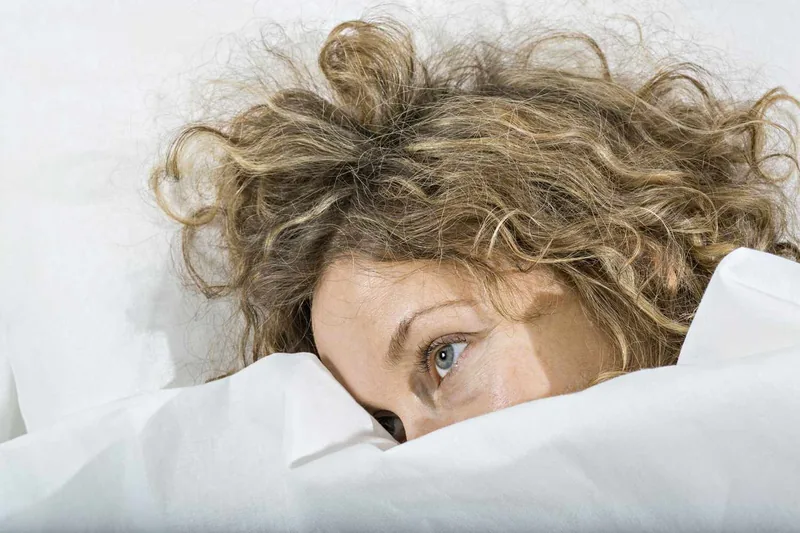
The quiet of night used to be a battleground. Every attempt to sleep was met with a racing mind, a restless body, and the gnawing anxiety of what came next. For months, the simple act of closing your eyes felt like surrendering to another night of tossing and turning, a constant reminder of the difficult path of recovery. If this sounds familiar, you're not alone. Withdrawal insomnia is a significant hurdle many face, but understanding effective ways to deal withdrawal symptoms, especially those that disrupt sleep, can pave the way to healing.
The Sleep Thief: How Addiction Disrupts Your Rest
Addiction doesn't just affect your waking hours; it profoundly rewires your body's natural rhythms, especially your sleep-wake cycle. When you stop using substances, your body is in a state of flux, trying to recalibrate after prolonged disruption. This often manifests as insomnia, a common withdrawal symptom that can plague individuals recovering from alcohol, opioids, stimulants, cannabis, and even certain anxiety or sedative medications (Angarita et al., 2016). It's your body's way of signaling that it's adjusting, but for you, it feels like a cruel paradox - needing rest for recovery, yet being unable to find it.
The duration of these sleep disturbances can vary significantly. For some, it might be a few challenging weeks, while for others, it can take six months or even longer to return to more normalized sleep patterns (Wilkerson et al., 2019). This extended period of sleep deprivation can feel overwhelming, amplifying other withdrawal discomforts and making the recovery journey feel even steeper. But here's the crucial point: this phase is often temporary, and proactive strategies can make a significant difference.
Practical Ways to Deal Withdrawal Insomnia
The good news is that improving your sleep during withdrawal is achievable. It's about replacing old, disruptive habits with new, supportive routines. Think of it as actively curating an environment and a mindset conducive to rest. This is where establishing healthy sleep hygiene and implementing specific ways to deal withdrawal symptoms related to sleep becomes paramount.
1. Anchor Your Days with Routine
Consistency is your new best friend. Going to bed and waking up at the same times each day, even on weekends, helps regulate your body's internal clock. This predictability signals to your brain that it's time to wind down or wake up, making it easier to fall asleep and stay asleep.
Before bed, create a calming wind-down routine. This isn't about forcing sleep, but about signaling to your body that the day is ending. Try reading a physical book (avoiding screens), listening to quiet music, or engaging in gentle stretching. The key is to choose activities that relax you, not stimulate you.
2. Embrace the Daylight
Your circadian rhythm, or internal body clock, thrives on light cues. During active addiction, this rhythm is often completely out of sync. A powerful way to begin resetting it is by exposing yourself to natural daylight early in the morning. Step outside, even for a few minutes, and let the sunlight hit your eyes (without sunglasses, but avoid looking directly at the sun). This simple act tells your brain it's daytime, helping to consolidate your sleep at night (Brainard et al., 2015).
Conversely, dim the lights in your living space as evening approaches. This mimics the natural decrease in light that signals your body to prepare for sleep.
3. Natural Approaches to Calm the Mind
Sometimes, your body and mind need a little extra help to quiet down. Before reaching for anything potentially habit-forming, explore natural avenues. A warm, caffeine-free herbal tea, like chamomile or valerian root, can be incredibly soothing. Valerian root, in particular, has been studied for its potential sleep-promoting effects (Shinjyo et al., 2020), though it's always wise to discuss its use with a healthcare provider, especially when withdrawing from other substances.
Melatonin, a hormone naturally produced by your body to regulate sleep-wake cycles, is also available as a supplement. It can be helpful in the short term for adjusting sleep timing. L-theanine, an amino acid found in green tea, is another option known for its stress-reducing and relaxation-promoting qualities, which can indirectly improve sleep quality (Kim et al., 2019).
Beyond supplements, consider mindfulness and meditation. Even 10-15 minutes of guided meditation or deep breathing exercises can significantly reduce anxiety and prepare you for sleep. Creating a dedicated relaxation practice is one of the most effective ways to deal withdrawal symptoms that keep you awake.
4. Mindful Movement and Stress Reduction
While intense exercise close to bedtime can be disruptive, gentle physical activity during the day can significantly improve sleep quality. Activities like walking, yoga, or tai chi can help release pent-up energy and reduce stress without overstimulating your system.
For example, incorporating a 30-minute walk in a park each afternoon can make a tangible difference. Similarly, journaling before bed can be a powerful tool. Writing down your worries, thoughts, or even just recounting your day can help clear your mind, preventing those anxious thoughts from hijacking your sleep. Keeping a simple sleep diary to track your bedtime, wake time, sleep quality, and any activities that might have impacted your sleep can also provide valuable insights into what works best for you.
When to Consider Medication: With Caution
In some cases, healthcare providers might recommend short-term use of prescribed sleep aids or other medications to manage severe withdrawal symptoms, including insomnia. However, this approach requires extreme caution. The primary concern is avoiding the development of new dependencies or using one substance to replace another. This is why it's crucial to have an open and honest conversation with your doctor about your specific situation.
If medication is prescribed, adhere strictly to the dosage and duration instructions. Understand potential side effects and discuss any concerns you have. The goal is temporary relief to facilitate better sleep hygiene practices, not a long-term solution. Using over-the-counter sleep aids, alcohol, or marijuana during withdrawal is generally discouraged due to their own addictive potential and their ability to interfere with natural sleep processes (Brower & Perron, 2010).
Why Prioritizing Sleep is Non-Negotiable for Recovery
Getting quality sleep isn't just about feeling less tired; it's a cornerstone of successful, long-term recovery. Sleep deprivation has been shown to decrease the sensitivity of dopamine receptors in the brain. This can lead to increased impulsivity and a higher susceptibility to cravings, significantly increasing the risk of relapse (National Institute on Drug Abuse, 2014).
Research also indicates a direct link between sleep quality and drug cravings. When individuals report poorer sleep, they often experience more intense cravings for substances (Lydon-Staley et al., 2017). By actively implementing ways to deal withdrawal and prioritizing sleep, you are directly strengthening your defenses against relapse.
Think of sleep as a vital part of your recovery toolkit. It supports emotional regulation, cognitive function, and overall physical health - all essential components for rebuilding your life. Protecting your sleep is a proactive step towards a healthier, more balanced future.
Sources: (Angarita et al., 2016), (Wilkerson et al., 2019), (Brainard et al., 2015), (Shinjyo et al., 2020), (Kim et al., 2019), (Brower & Perron, 2010), (National Institute on Drug Abuse, 2014), (Lydon-Staley et al., 2017)