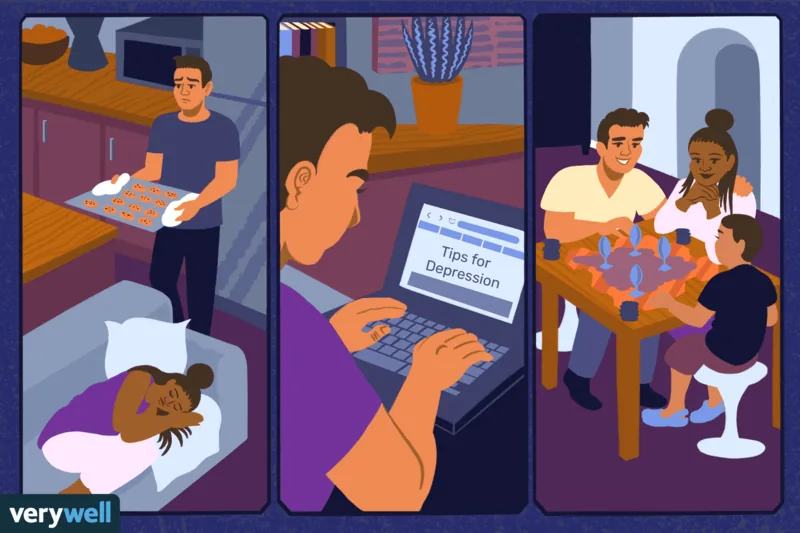
When the one you love is battling depression, it can feel like navigating a relentless storm. Your instinct is to help, to fix, to make the pain disappear. But depression isn't a simple problem with a quick solution; it's a complex illness that affects every facet of a person's life, including their relationships. Supporting your partner through this challenging time means understanding the illness, offering unwavering presence, and crucially, remembering to care for yourself.
Understand What Depression Truly Is
Depression is far more than just feeling sad or having a bad day. It's a serious mental health condition with profound biological, psychological, and social impacts. Dismissing it as laziness or a lack of willpower is not only inaccurate but deeply harmful. Your partner's pain is real, a heavy burden that can make even simple tasks feel insurmountable. Recognize that depression doesn't always have a discernible trigger; it can emerge without a clear reason.
It's vital to challenge the stigma surrounding mental illness. Educating yourself about depression is one of the most powerful ways to support your partner. Understanding its symptoms, causes, and treatment options can help you approach the situation with greater empathy and less frustration. Reputable organizations like the Anxiety and Depression Association of America or the National Institute of Mental Health offer a wealth of factual information.
A critical aspect of understanding depression is recognizing its potential for danger. Suicide is a significant risk, making it essential to ensure your partner's environment is safe. This might involve conversations about removing potential means of harm and taking any talk of self-harm very seriously. If you or someone you know is in crisis, the National Suicide Prevention Lifeline at 988 is a vital resource.
Practice Essential Self-Care
Caring for a partner with depression can be emotionally and physically draining. It's easy to get so caught up in their struggle that you neglect your own needs. But here's the crucial point: you cannot pour from an empty cup. Prioritizing your well-being isn't selfish; it's a necessity for sustaining your support in the long run.
What does self-care look like when you're managing a difficult situation? It means intentionally carving out time for activities that replenish your mind, body, and spirit. This could include maintaining a healthy diet, engaging in regular exercise, ensuring you get adequate sleep, and pursuing hobbies that bring you joy. Simple practices like meditation, spending time in nature, or connecting with friends can make a significant difference.
Sometimes, self-care also involves making difficult decisions about the relationship itself. If your emotional or physical safety, or that of your children, is consistently at risk, seeking professional guidance on how to protect yourself is paramount. Your well-being matters just as much.
Be a Constant, Gentle Presence
Perhaps the most profound way to support your partner is simply to be there. This doesn't always mean having the perfect words or knowing how to fix everything. Often, it means offering a listening ear without judgment, holding their hand, or just sitting with them in silence. Verbalize your support, letting them know they are not alone in this fight.
Depression can manifest in ways that are difficult to witness. Your partner might become irritable, withdrawn, or less interested in activities they once enjoyed, including intimacy. They might lash out or seem distant. It's vital to remember that these behaviors are symptoms of the illness, not a reflection of their feelings for you. Try not to take these changes personally; they are a manifestation of the depression, not a rejection of your love or presence.
Practical support can also be incredibly valuable. Depression can drain energy and motivation, making daily tasks feel overwhelming. Offer to help with chores, errands, or managing appointments. For instance, you might proactively offer to pick up prescriptions or help them draft an email to their therapist. Shared responsibilities can lighten their load significantly, showing your commitment in tangible ways.
Guide Towards Treatment and Offer Hope
While your support is invaluable, it's not a substitute for professional help. Encourage your partner to seek treatment from mental health professionals. This might involve helping them research therapists, schedule appointments, or even accompanying them to sessions if they feel anxious. Reassure them that seeking help is a sign of strength, not weakness, and that recovery is possible.
You can also play a role in their treatment adherence. Gently remind them about taking prescribed medication or attending therapy sessions. Celebrate small victories along the way, acknowledging their efforts and progress, no matter how incremental.
Offer genuine hope. Depression can create a bleak outlook, making it hard for individuals to see a future beyond their pain. Remind your partner of their strengths, their passions, and the reasons they have to keep going--whether it's family, friends, pets, or personal goals. Hold onto these positive anchors with them until the darkness begins to lift.
Finally, continuously demonstrate your love. Depression can foster feelings of worthlessness and being a burden. Counteract these destructive thoughts by expressing your affection openly and consistently. Tell them you love them, show them through actions, and reassure them that your commitment to them remains strong, even when the illness makes it hard for them to believe it themselves.