Have you ever felt a sudden, overwhelming surge of fear accompanied by physical symptoms that felt like they would never end? Understanding the role of medications to treat panic is a crucial step in regaining control and finding relief from the debilitating effects of panic disorder.
Medication is a cornerstone in managing panic disorder, offering a pathway to reduce the intensity and frequency of panic attacks, alleviate persistent anxiety, and address co-occurring conditions like depression. While psychotherapy is also vital, pharmacological interventions can provide essential support. The primary goal of these medications is to help stabilize brain chemistry, thereby lessening the body's alarm response and allowing individuals to engage more fully in therapeutic strategies.
Understanding Panic Disorder Treatment
The journey to manage panic disorder often involves a multi-faceted approach, with medication playing a significant role alongside psychotherapy. In many cases, a combination of treatments is prescribed. For instance, an antidepressant might be recommended for daily use to consistently lower the baseline anxiety and prevent panic episodes, while a faster-acting anti-anxiety medication could be prescribed for 'as-needed' use during acute panic attacks to swiftly reduce their severity.
When considering medications to treat panic, it's important to distinguish between 'on-label' and 'off-label' uses. 'On-label' medications have been specifically FDA-approved for treating panic disorder based on rigorous clinical trials. These include certain SSRIs like fluoxetine and sertraline, as well as benzodiazepines such as clonazepam and alprazolam. However, a healthcare provider might prescribe other medications 'off-label' if they believe, based on their expertise and the patient's unique condition, that it could be beneficial.
Beyond medication, various forms of psychotherapy are highly effective. Cognitive Behavioral Therapy (CBT) helps individuals identify and change negative thought patterns and behaviors associated with panic. Exposure therapy gradually exposes individuals to feared situations or sensations in a safe environment, helping to reduce avoidance. Panic-Focused Psychodynamic Psychotherapy (PFPP) explores the underlying psychological roots of panic symptoms.
Antidepressant Medications for Panic Disorder
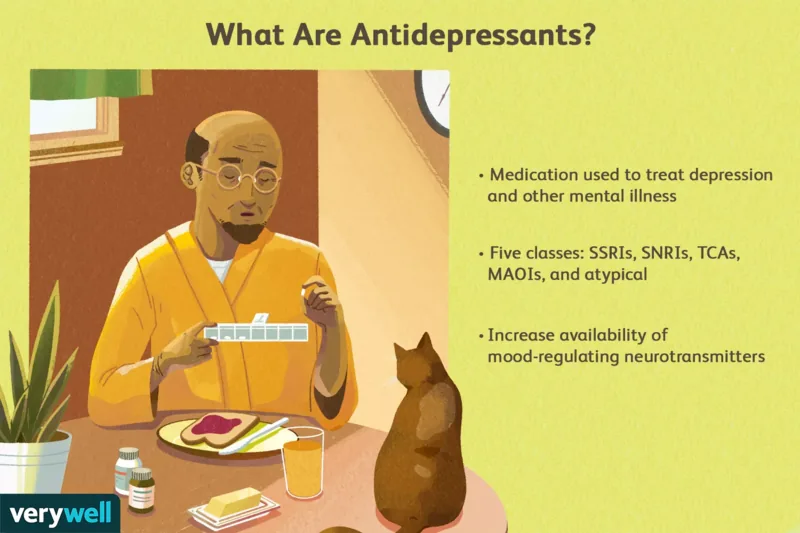
Originally developed in the 1950s to treat mood disorders, antidepressants have evolved into powerful tools for managing a wide spectrum of anxiety disorders, including panic disorder and agoraphobia. They work by influencing neurotransmitters, the chemical messengers that facilitate communication between brain cells. By modulating these pathways, antidepressants can significantly reduce anxiety, lessen panic symptoms, and decrease the overall occurrence and intensity of panic attacks.
Selective Serotonin Reuptake Inhibitors (SSRIs)
SSRIs are frequently the first line of treatment for panic disorder due to their favorable balance of effectiveness and manageable side effects. These medications selectively target serotonin, a key neurotransmitter involved in mood regulation and anxiety. SSRIs work by preventing nerve cells from reabsorbing serotonin, thus increasing its availability in the brain. This enhanced serotonin signaling helps to stabilize mood and reduce feelings of anxiety.
Commonly prescribed SSRIs for panic disorder include:
- Celexa (citalopram)
- Paxil (paroxetine)
- Prozac (fluoxetine)
- Zoloft (sertraline)
Research has consistently shown SSRIs to be effective for long-term management of panic disorder. For example, a person experiencing frequent panic attacks might start a daily regimen of Zoloft, noticing a gradual reduction in anticipatory anxiety and the severity of any breakthrough panic attacks over several weeks (Jakubovski et al., 2019). Their generally well-tolerated side effect profile makes them a preferred choice for many.
Serotonin-Norepinephrine Reuptake Inhibitors (SNRIs)
SNRIs, like SSRIs, work on serotonin but also influence norepinephrine, another neurotransmitter associated with alertness and the body's stress response. By blocking the reuptake of both serotonin and norepinephrine, SNRIs can offer robust relief for anxiety symptoms.
Examples of SNRIs include:
- Cymbalta (duloxetine)
- Effexor XR (venlafaxine)
Effexor XR is specifically FDA-approved for treating panic disorder. While Cymbalta may be used off-label, both can be effective. A common side effect profile for SNRIs may include fatigue, insomnia, or changes in appetite and sexual function. For someone whose panic disorder is accompanied by fatigue or low energy, an SNRI might be particularly beneficial.
Tricyclic Antidepressants (TCAs)
Though less commonly prescribed now due to the advent of SSRIs and SNRIs, Tricyclic Antidepressants (TCAs) remain a viable option for some individuals. They work on serotonin and norepinephrine but can have a broader range of side effects compared to newer classes of antidepressants.
Common TCAs include:
- Elavil (amitriptyline)
- Tofranil (imipramine)
- Pamelor (nortriptyline)
TCAs might be considered for individuals who haven't responded adequately to SSRIs or SNRIs. For instance, if a patient has tried multiple SSRIs without sufficient relief, a TCA could be explored under close medical supervision (Schneider et al., 2019).
Monoamine Oxidase Inhibitors (MAOIs)
MAOIs represent one of the oldest classes of antidepressants. They function by inhibiting the monoamine oxidase enzyme, which breaks down neurotransmitters like serotonin, norepinephrine, and dopamine. This leads to increased levels of these neurotransmitters.
Examples of MAOIs include:
- Nardil (phenelzine)
- Parnate (tranylcypromine)
- Emsam (selegiline)
MAOIs are typically reserved for treatment-resistant cases due to strict dietary restrictions (avoiding tyramine-rich foods) and potential for serious drug interactions (Culpepper, 2013). However, for those who can adhere to the precautions, they can be highly effective when other medications to treat panic have failed.
Anti-Anxiety Medications for Rapid Relief
When immediate relief from the intense symptoms of a panic attack is needed, anti-anxiety medications are often prescribed. These drugs work quickly to calm the central nervous system, reducing the physiological arousal that characterizes a panic attack and promoting a sense of tranquility.
Benzodiazepines
Benzodiazepines are a class of anti-anxiety drugs widely used for their rapid sedative and anxiolytic effects. They enhance the effect of GABA (gamma-aminobutyric acid), a neurotransmitter that inhibits brain activity, leading to a calming effect.
Common benzodiazepines include:
- Xanax (alprazolam)
- Klonopin (clonazepam)
- Valium (diazepam)
- Ativan (lorazepam)
Because of their potential for dependence and withdrawal symptoms, benzodiazepines are typically prescribed for short-term use or on an as-needed basis to manage acute panic episodes (Griffin et al., 2013; Balon & Starcevic, 2020). It is crucial never to stop taking benzodiazepines abruptly. Doing so can lead to dangerous withdrawal symptoms. Dose reduction should always be managed under the guidance of a healthcare professional.
For example, someone with a history of severe, debilitating panic attacks might keep a prescription for Klonopin to take only when they feel an attack beginning, helping them to navigate through it without it escalating uncontrollably. This allows them to engage in other coping strategies, like deep breathing or grounding techniques.
Other Non-Habit-Forming Options
For individuals seeking relief without the risk of dependence associated with benzodiazepines, several other medications can be helpful. These include:
- SSRIs and SNRIs: As discussed, these antidepressants are non-habit-forming and effective for long-term management.
- Beta-blockers: Medications like propranolol can help manage the physical symptoms of anxiety, such as rapid heart rate and trembling, making them useful for situational anxiety or as an adjunct treatment.
- Buspirone (Buspar): This medication works differently than benzodiazepines and is considered non-habit-forming, though it may take several weeks to become fully effective.
- Hydroxyzine (Vistaril): An antihistamine that can also help reduce anxiety symptoms.
These options provide alternatives for managing panic and anxiety symptoms with a lower risk profile, supporting a more sustainable treatment plan.
Frequently Asked Questions About Panic Medication
How can I manage a panic attack without medication?
Psychotherapy is highly effective. During an attack, deep breathing exercises can combat hyperventilation (Ma et al., 2017). Grounding techniques (focusing on your senses), mindfulness practices, and progressive muscle relaxation can also provide relief and help prevent future episodes.
How should I ask my doctor about panic attack medication?
Be direct. Explain that you are experiencing panic attacks and wish to discuss medication options to manage your symptoms. Your doctor will likely ask about your experiences and discuss potential treatments and side effects.
How long does it take for panic attack medication to work?
Benzodiazepines offer rapid relief, often within minutes to an hour. Antidepressants like SSRIs and SNRIs typically take one to three weeks to show initial effects, with full benefits sometimes taking several weeks to months to manifest (Garakani et al., 2020).
Are there non-habit-forming medications for panic attacks?
Yes, SSRIs, SNRIs, beta-blockers, buspirone, and hydroxyzine are considered non-habit-forming options that can effectively help manage panic attacks and anxiety.