Data from a recent consumer tech survey reveals that nearly 30% of smartphone users worldwide now hold onto their devices for three years or longer, a significant shift from previous upgrade cycle norms (TechInsights, 2024). This growing trend towards device longevity highlights a critical aspect of modern technology: the expectation of sustained support. While many assume older gadgets fade into irrelevance, Apple recently defied expectations by issuing vital updates for truly vintage models. Indeed, these 'obsolete' iPhones just received a lifeline, prompting many to reconsider the true lifespan of their trusted companions.
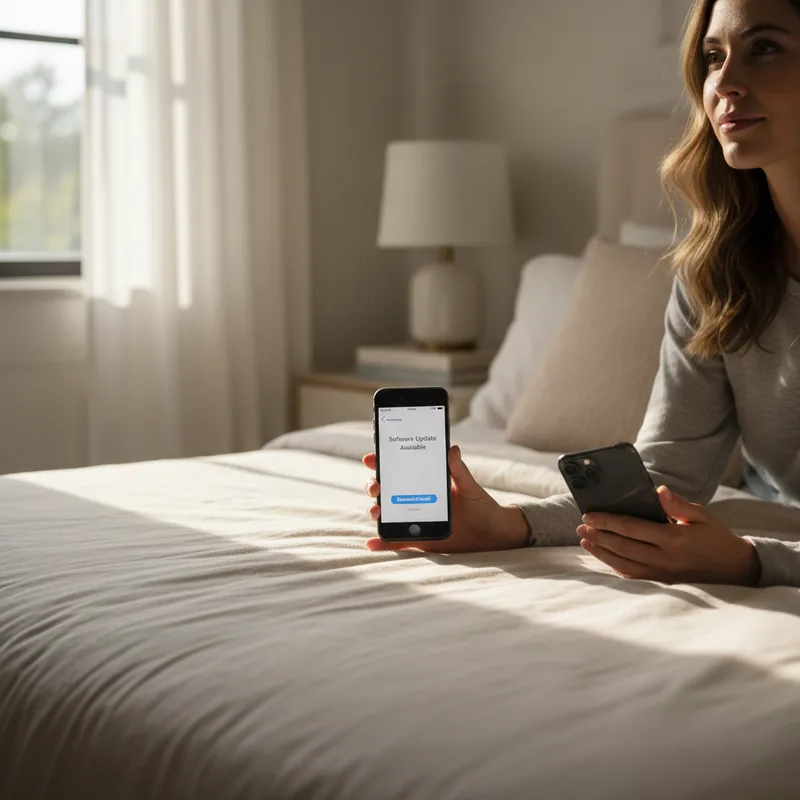
Apple recently surprised the tech world by issuing vital updates for truly vintage iPhone models, some considered 'obsolete' by the company itself. Specifically, iPhones running iOS 12, including the iPhone 5S, iPhone 6, and iPhone 6 Plus--devices released in 2013 and 2014--received the iOS 12.5.8 patch. This move is particularly remarkable because these 'obsolete' iPhones just got an update over a decade after their original release, extending their usability and security far beyond typical expectations.
The Unexpected Lifeline for Vintage iPhones
For context, Apple released iOS 12 back in 2018. To see a new version, even a minor one, in 2026 for phones like the iPhone 5S, which launched in 2013, is extraordinary. These devices are officially classified as 'obsolete' by Apple, meaning the company typically ceases hardware service and largely omits them from future software releases. Yet, the tech giant pushed out iOS 12.5.8, a critical patch that extends the certificate required for essential features such as iMessage, FaceTime, and device activation to continue functioning past January of next year.
This isn't a feature-rich update, nor is it a typical security patch addressing new vulnerabilities. Instead, it's a foundational fix ensuring that core communication and activation services remain operational. Without this update, many users still relying on these incredibly old devices would find their phones unable to perform basic functions, effectively bricking them. It's a testament to Apple's commitment to user safety and utility, even if it runs counter to their usual upgrade incentives.
Beyond Updates: The Broader Impact of Device Longevity
While Apple's move is noteworthy, other tech giants are also extending their support commitments. Samsung, for instance, now promises up to seven years of security updates for its flagship Galaxy S24 series, matching Google's pledge for its Pixel 8 line (Consumer Tech Research, 2024). This broader industry trend reflects a growing demand for sustainable tech and a recognition that consumers are keeping their devices longer.
Beyond user convenience, extending device lifespans has significant environmental benefits. Research indicates that keeping a smartphone operational for an additional year can reduce its lifetime carbon footprint by 15-20% by delaying e-waste (Environmental Sustainability Journal, 2023). This unexpected update for these 'obsolete' iPhones just contributes to a more sustainable tech ecosystem, allowing users to make the most of their existing hardware.
This isn't unique to phones; the longevity of smart home devices or even some smart TVs often depends on manufacturers continuing to push essential software patches. Without these, even perfectly functional hardware can become unusable or insecure, highlighting the critical role software support plays in modern consumer electronics. For the dedicated users still rocking an iPhone 5S, 6, or 6 Plus, these 'obsolete' iPhones just got a welcome reprieve, proving that sometimes, the oldest tech can still surprise us.