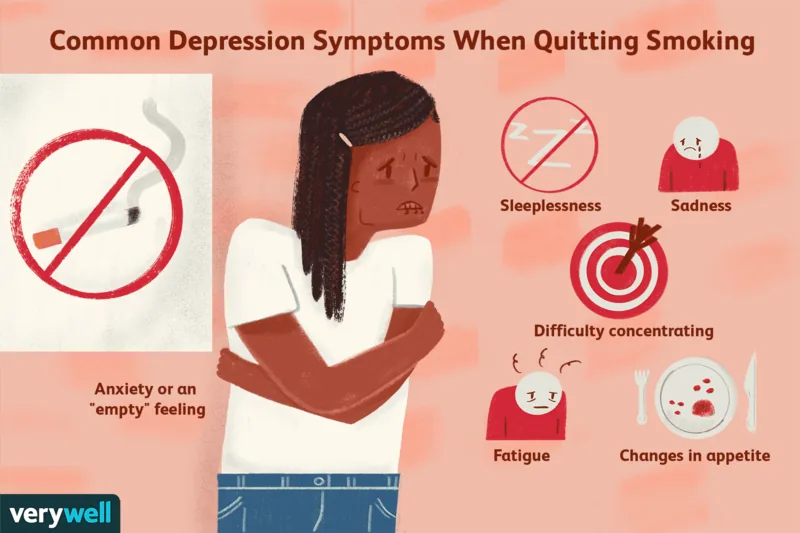
The question hangs heavy in the air for anyone considering quitting smoking: Will I always miss it? It's a fear that keeps countless individuals tethered to nicotine, convinced that life without cigarettes will forever feel like a dull, empty space. But here's the truth, right upfront: you won't miss smoking forever. While the journey away from nicotine addiction is a process, the intense cravings and the feeling of loss diminish significantly over time, eventually fading into the background. It's about retraining your brain, not just resisting a craving.
Think about it this way: what you often perceive as 'missing smoking' is actually your body's response to nicotine withdrawal, cleverly disguised as a fond memory. Once you break free from that cycle, the hold lessens. This isn't just wishful thinking; it's a reality backed by science and countless success stories. The longer you go without a cigarette, the less intense those urges become (McLaughlin et al., 2015).
The Lingering Shadow: Why Quitting Feels So Hard
Quitting smoking isn't just about overcoming a physical addiction; it's a profound psychological battle. Your body craves nicotine, yes, but your mind has built an intricate web of associations, linking cigarettes to nearly every aspect of your daily life. This dual challenge is why the initial phase of quitting can feel overwhelming, making you wonder, will I always miss this ritual?
Beyond Nicotine: The Power of Association
Nicotine is a powerful, addictive substance, but it's the habits and associations that truly embed smoking into your routine. You might not even realize these links exist until you try to break them. For example, perhaps you always lit up while driving to work, or maybe a cigarette was your constant companion during a phone call with your best friend. These aren't just random acts; they're deeply ingrained cues that trigger a craving.
Consider the gardener who quits in winter. Months pass, cravings subside, then spring arrives. The smell of fresh earth, the feel of sunshine on their face as they dig, and suddenly, an intense urge for a cigarette hits. It's not a failure; it's a powerful, old association resurfacing. Another common trigger? Finishing a big, complex project at work. For years, that moment of accomplishment might have been celebrated with a smoke, creating a strong mental link between success and nicotine.
The Withdrawal Rollercoaster: Physical vs. Mental
The immediate aftermath of quitting is often marked by intense cravings, particularly in the first few days. These physical urges are your body adjusting to the absence of nicotine (Benowitz, 2010). But here's what's interesting: while nearly 60% of former smokers report some desire to smoke within a year, only a small minority -- around 11% -- experience major, prolonged cravings beyond six months (Hughes, 2010).
This suggests that the initial physical withdrawal quickly gives way to a more insidious mental game. Your mind, accustomed to the immediate relief smoking provided from the discomfort of withdrawal, interprets that relief as pleasure. This creates a false narrative that smoking is enjoyable or necessary, rather than merely a temporary fix for an induced craving.
Retraining Your Brain: The Journey to Freedom
Every smoke-free day is a lesson. You're essentially going back to school, learning how to navigate life without the crutch of cigarettes. This isn't about deprivation; it's about building new neural pathways and proving to yourself that you are capable of handling triggers differently. The real question isn't will I always miss it, but rather, how quickly can I learn to live without it?
Every Craving, a Victory
Instead of viewing a craving as a setback, reframe it as an opportunity. Each time you successfully resist the urge, you strengthen your resolve and reinforce your new, smoke-free identity. Think of it as practice: the more you practice responding to triggers without smoking, the easier it becomes. It's a tangible step towards breaking free from the addiction's grip.
Initially, you might try to avoid triggers altogether, and that's okay for a start. But you can't live in a bubble forever. Facing these situations head-on, armed with new strategies, is a necessary part of recovering from nicotine addiction. It builds resilience and confidence, showing your brain that life's moments can be just as rich, if not richer, without a cigarette.
Anticipating the Triggers: Calendar Your Comebacks
Sometimes, a craving can ambush you months, even years, after quitting. These aren't signs of failure; they're simply old connections resurfacing. Seasonal changes, holidays, or specific events can act as powerful triggers. For instance, if you always enjoyed a cigarette with your morning coffee on the patio during summer, that first warm morning might bring an unexpected urge.
This is where proactive planning comes in. As you create your quit plan, look at the calendar. Are there upcoming vacations, family gatherings, or hobbies you'll resume that were once linked to smoking? Acknowledging these potential triggers beforehand doesn't mean they will definitely cause a craving, but it allows you to prepare mentally and strategically for the possibility.
Rewriting the Narrative: Changing What Smoking Means to You
The way you perceive smoking profoundly impacts your ability to quit and stay quit. Many ex-smokers who claim they "still miss smoking" years later often haven't truly changed their fundamental beliefs about what cigarettes meant to them (Bertin et al., 2018). They might still romanticize the act, believing it offered comfort, focus, or pleasure. But here's the catch: that 'pleasure' was largely the temporary relief from nicotine withdrawal.
The Illusion of Pleasure
Nicotine withdrawal begins almost immediately after you extinguish a cigarette. Your body's need to ease this discomfort becomes intertwined with whatever activity you're doing at the moment. Over time, your mind starts to believe that smoking is a vital component of a fulfilling life. You might convince yourself that life will be dull or stressful without cigarettes, when in reality, you're confusing physical addiction with genuine enjoyment.
To truly break free, you must dismantle this illusion. You have to shift your mindset to one that severs those false links. When you change how you think about smoking, and what it truly means to you, the question of will I always miss it becomes irrelevant. You'll realize you're not missing a pleasure, but escaping a trap.
Confronting Reality: Health, Wealth, and Well-being
Part of changing your mindset involves confronting the stark realities of smoking. For years, you might have consciously avoided information about health risks or financial costs. But now, being honest with yourself isn't about self-punishment; it's about empowerment.
Read up on the research detailing the harms of smoking, not as a scare tactic, but as a motivator. Focus on the incredible benefits that accrue when you quit: improved health, more energy, better finances, and a renewed sense of control. This positive framing helps reframe smoking from a perceived pleasure to a genuine obstacle to your well-being.
Your Toolkit for Triumph: When Cravings Strike
Even with a strong mindset, cravings will inevitably pop up. They might feel sneaky, powerful, and capable of derailing your progress. But you are not powerless. Having a well-stocked toolkit of strategies can make all the difference, transforming a moment of weakness into a moment of strength.
Building a Strong Foundation: Self-Care Is Non-Negotiable
The basics of self-care are your first line of defense against cravings. When you're well-rested, properly nourished, hydrated, and managing stress effectively, your resilience against urges dramatically increases. Think of it as fortifying your inner defenses. Prioritize quality sleep, eat a balanced diet, drink plenty of water, and find healthy outlets for stress, whether it's meditation, exercise, or a creative hobby.
Crafting New Rituals: Replacing the Old
When you remove smoking from your routine, certain activities might feel incomplete. Instead of dwelling on what's missing, see it as an exciting opportunity to create new, healthier rituals. If you always smoked after dinner, try taking a short walk or listening to a favorite podcast instead. If your commute always started with a cigarette, try a new route to work, or use that time to listen to an audiobook. This creates a mental and physical shift, breaking old patterns.
For example, if you typically took a "smoke break" every hour at work, replace it with a 5-minute stretching routine or a quick walk around the block. This maintains the break in routine but without the nicotine. Another idea: if a specific brand of coffee was always paired with a morning cigarette, switch to a new brand or even a different beverage entirely to disrupt the ingrained association.
The Power of Connection: Don't Go It Alone
You don't have to face the challenging moments of quitting in isolation. Reach out to your support network--a trusted friend, family member, or someone from an online smoking cessation group (Stead et al., 2017). Sometimes, talking through an urge helps; other times, a simple distraction, like a casual chat about your day, can be enough to let the craving pass.
Rewarding Progress, Not Perfection
If you feel an urge to smoke, resist the urge to punish yourself. Depriving yourself further or feeling guilty only creates more stress, which can ironically trigger more cravings. Instead, focus on celebrating your milestones. Hit one month smoke-free? Treat yourself to a massage. Six months? Invest in a new wardrobe that highlights your healthier glow. These positive reinforcements strengthen your commitment and remind you of the tangible benefits of quitting.
Smart Substitutions: What to Do with Your Hands and Mouth
Often, the urge for a cigarette is also a need for oral fixation or something to do with your hands. Keep sugar-free gum, mints, or crunchy vegetable sticks readily available. These can provide a healthy outlet for those physical urges (Nides et al., 2018). Be mindful of caloric intake, however, as some people may gain weight when replacing smoking with food (MedlinePlus).
Here's a simple yet effective substitution: brush your teeth! Not only does it engage your hands and mouth, but the fresh, clean feeling can also deter you from wanting a cigarette. It's a small act that reinforces your commitment to a healthier body.
The Long Game: You Won't Miss Smoking Forever
The idea that will I always miss smoking is a powerful deterrent for many. But the reality is that the brain's reward pathways can be rewired. Over time, the intensity and frequency of nicotine cravings decrease significantly (Potvin et al., 2015). What might start as a daily battle transforms into an occasional thought, then a rare, fleeting memory, and eventually, nothing at all.
Your journey is unique, and there will be ups and downs. But with each passing day, you're building a new life, one free from the grip of nicotine. The initial discomfort is temporary; the freedom you gain is permanent. Trust the process, lean on your support system, and celebrate every victory, big or small.
Ultimately, the freedom you gain from nicotine addiction far outweighs any fleeting, illusory 'pleasure' smoking ever offered. You are capable of living a full, vibrant life where cigarettes are a distant memory, not a constant yearning. Take that first step, or the next one, and reclaim your health and peace of mind.