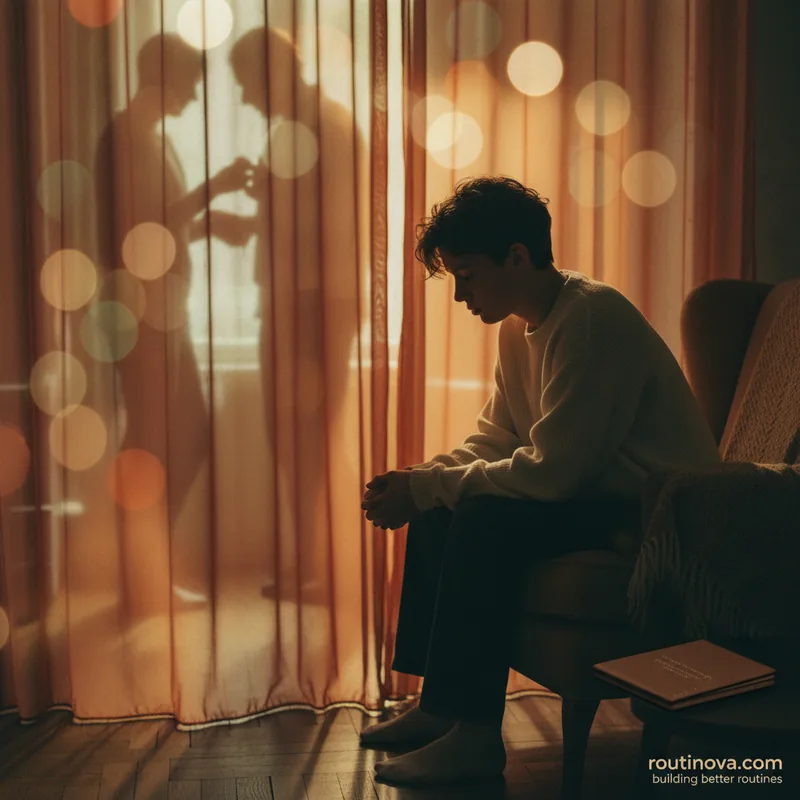
You might think a little discomfort in the spotlight is normal, a fleeting blush when all eyes are on you. But for millions, the persistent dread of being watched isn't just shyness; it's a silent, life-limiting force. This isn't about stage fright before a big presentation or feeling awkward when someone stares for too long. This is scopophobia--an intense, often paralyzing fear of being stared at--and understanding how fear of being perceived impacts daily life is crucial to breaking free.
Scopophobia can quietly shrink your world, transforming everyday interactions into sources of profound anxiety. It dictates decisions, from avoiding a simple trip to the grocery store to declining a dream job opportunity that involves public speaking. The insidious nature of this phobia means that the very act of feeling observed can trigger a cascade of physical and emotional distress, severely restricting one's freedom and sense of self. Here's what you need to know about navigating and overcoming this pervasive fear.
The Invisible Gaze: What is Scopophobia?
Scopophobia, sometimes called scoptophobia, is far more than just feeling a bit self-conscious. It's an overwhelming fear of being watched, scrutinized, or examined by others. While it's perfectly normal to feel uneasy if someone stares at you unusually, or to have nerves before a performance, scopophobia takes this discomfort to an entirely different level. People grappling with this phobia often feel as though every move is being judged, leading to significant distress and anxiety.
The severity of scopophobia varies widely. For some, the fear only surfaces when a stranger holds their gaze for an extended period. For others, even a brief moment of eye contact with a close friend can induce panic. This fear often intertwines with other social phobias, amplifying its impact. Untreated, the dread can deepen, making it harder to engage with the world.
Recognizing the Signs: When a Look Becomes a Threat
If you live with scopophobia, your body and mind send clear signals that a glance feels like a threat. You might find yourself constantly aware of your surroundings, feeling an omnipresent sense of being watched. This hyperawareness can be exhausting, draining your mental energy throughout the day.
Common symptoms extend beyond mental anguish. You might notice yourself:
- Avoiding eye contact at all costs.
- Feeling threatened or scrutinized when people look your way.
- Blushing profusely, which can be particularly distressing if you also fear blushing (erythrophobia).
- Experiencing a strong, urgent need to escape social situations.
Beyond these behavioral cues, the fear can manifest physically, mirroring a full-blown panic response. You might experience chills, dry mouth, confusion, difficulty concentrating, muscle tension, nausea, a rapid heartbeat, shaking, shallow breathing, and excessive sweating. These reactions can be so intense that they drive people to limit their daily activities, refusing to go out alone or host visitors they don't know intimately. Understanding how fear of being targeted by a stare can trigger such profound physical symptoms is key to recognizing the depth of this challenge.
Unpacking the Roots: Why We Fear the Gaze
The precise origins of scopophobia, like many phobias, are complex and multifactorial. It's rarely one single event but rather a tapestry woven from various influences. Genetics, personal history, and even co-occurring medical conditions can all play a role in developing this specific fear.
The Echo of Experience and Inherited Tendencies
Research suggests a strong link between family history and the development of phobias or anxiety disorders (Harvard, 2024). If your family members have struggled with similar conditions, you might be more predisposed. This isn't just about inheriting genes; it's also about learning behaviors. Growing up around anxious responses can subtly teach us to react with fear to certain stimuli.
Beyond genetics, traumatic experiences can leave a lasting imprint. Imagine being bullied relentlessly, mocked for your appearance, or ridiculed in public. Such painful memories can ingrain a deep-seated fear of being observed, transforming innocent glances into reminders of past hurt. For example, someone who was frequently made fun of for their gait might develop scopophobia, dreading the possibility of drawing attention to their walk (New Example 1). Many adolescents experience intense self-consciousness, but when this feeling persists or intensifies, it can evolve into diagnosable scopophobia.
Connections to Broader Anxieties and Health Conditions
Scopophobia rarely exists in isolation. It often shares common ground with social anxiety disorder, where the fear extends to a broader range of social interactions. Think of the intense stage fright or public speaking anxiety that can accompany scopophobia--it's all part of the same thread of social apprehension. Someone might avoid a friend's wedding, not due to dislike, but because the sheer number of eyes in a large gathering feels overwhelming (New Example 2).
Interestingly, certain medical conditions can also fuel scopophobia. People with conditions like epilepsy, Tourette's syndrome, or movement disorders might develop this fear, either because they dread an episode occurring in public, or they fear the stares that an episode might attract. Similarly, individuals with disfiguring injuries or illnesses may become hyper-aware of how others perceive them, leading to scopophobia. For instance, a person managing a chronic facial condition might eat lunch alone in their car rather than face potential stares in a busy office breakroom (New Example 3).
It's important to distinguish between a reasonable concern and a phobia. While it's natural to be wary if a medical condition might draw unwanted attention, a phobia represents a fear that is disproportionate to the actual risk. If you suspect your fear is linked to a medical condition, a mental health professional working alongside your doctor can help you determine how fear of being judged is impacting your life unnecessarily.
Breaking Free: Effective Strategies for Overcoming Scopophobia
The good news is that scopophobia, like many specific phobias, responds remarkably well to various therapeutic approaches. A skilled therapist will collaborate with you to craft a personalized treatment plan, addressing both scopophobia and any co-occurring conditions that might be present.
Therapeutic Paths to Confidence
Among the most effective treatments are:
- Cognitive Behavioral Therapy (CBT): This powerful therapy focuses on identifying the unhelpful thought patterns that fuel your fear. By understanding and challenging these thoughts, you learn to replace them with more realistic and constructive ones. CBT helps you reframe situations, making them feel less threatening and more manageable (Mayo Clinic, 2023).
- Exposure Therapy: A specialized form of CBT, exposure therapy involves gradually and safely confronting the source of your fear. This isn't about being thrown into the deep end; it's a carefully structured process. You might start by imagining being looked at, then progress to watching videos of people, then being in a room with one trusted person, and slowly moving towards more challenging scenarios. This systematic exposure, often combined with relaxation techniques, helps you build resilience and gain control over your fear response (Harvard, 2024).
When Medication Can Help
In some situations, medication can be a valuable adjunct to therapy, particularly for managing acute symptoms or underlying anxiety. Doctors might prescribe:
- Selective Serotonin Reuptake Inhibitors (SSRIs): These medications are commonly used to improve mood and reduce general anxiety levels, which can significantly ease the distress associated with scopophobia.
- Benzodiazepines: These have a sedative effect and can be used for short-term relief of intense anxiety or panic attacks. They are typically prescribed for acute situations due to their potential for dependence.
Scopophobia can feel incredibly isolating, gradually forcing you to narrow your world. But with commitment and the right professional support, this phobia can be overcome. The journey requires time and effort, but the benefits--a life reclaimed from fear--are profoundly worthwhile. Learning how fear of being scrutinized can be managed empowers you to step back into the world on your own terms.
Living Beyond the Look: Daily Habits for Confidence
While professional treatment forms the bedrock of recovery, there are powerful self-help strategies you can integrate into your daily life to manage symptoms and build resilience. These practices empower you to take an active role in your healing journey.
Cultivating Calm: Practical Relaxation Techniques
When anxiety spikes, having a toolkit of relaxation techniques can make all the difference. These practices help regulate your nervous system and bring a sense of calm:
- Deep Breathing: Simple yet incredibly effective, focused deep breathing can quickly slow your heart rate and calm your mind.
- Progressive Muscle Relaxation: Tensing and then releasing different muscle groups helps you become more aware of tension and learn to release it.
- Yoga and Meditation: These practices combine physical movement, breath work, and mindfulness to foster a deeper sense of peace and body awareness.
- Guided Imagery: Using visualization to imagine yourself in a peaceful place can be a powerful way to escape anxious thoughts.
Gradually Facing Your Fears, Safely
Avoidance is a natural response to fear, but it ultimately reinforces the phobia. Slowly, and in controlled environments, begin to face your fears. This isn't about grand gestures, but small, manageable steps. Start in situations where you feel secure and have support. For instance, if large crowds trigger you, begin by spending a few minutes in a quiet coffee shop, then a slightly busier one, eventually working your way up. The key is consistency and compassion for yourself. Each small victory builds confidence, showing you how fear of being overwhelmed can be systematically dismantled.
Nourishing Your Well-being: The Foundation of Strength
Your physical and mental health are intrinsically linked. Prioritizing self-care creates a robust foundation from which to tackle your fears:
- Quality Sleep: Ensure you're getting enough restful sleep each night. Sleep deprivation can exacerbate anxiety.
- Balanced Nutrition: A diet rich in whole foods supports brain health and helps stabilize mood.
- Regular Physical Activity: Exercise is a powerful stress reliever and mood booster, releasing endorphins that naturally combat anxiety.
Overcoming scopophobia is a journey, not a destination. It requires patience, persistence, and a willingness to challenge deeply ingrained fears. But by understanding its mechanisms, seeking appropriate help, and integrating daily coping strategies, you can begin to loosen the invisible chains of the gaze and reclaim a life lived with freedom and confidence.