Are you truly afraid of the dark? Nyctophobia is an intense, age-inappropriate fear of darkness that extends far beyond typical childhood anxieties, disrupting daily life for many adults. This specific phobia can trigger significant distress, limit activities, and cause panic in anticipation of unlit environments. Understanding nyctophobia, its causes, and effective treatments is the first step towards reclaiming comfort and confidence, even when the lights go out. With modern therapeutic approaches, overcoming this pervasive fear is a highly achievable goal for 2025 and beyond.
Key Takeaways
- Nyctophobia is an intense, age-inappropriate fear of the dark that can lead to panic and avoidance.
- It often stems from perceived dangers hidden in darkness rather than darkness itself.
- Effective treatments, including cognitive behavioral therapy (CBT) and exposure therapy, offer high success rates.
- Coping strategies like relaxation and self-care complement professional treatment, empowering individuals to manage their fear.
1. Understanding Nyctophobia
Nyctophobia, often referred to as scotophobia, achluophobia, or lygophobia, is a profound and persistent fear of the dark that significantly impacts an individual’s life. While a general apprehension of darkness is a natural part of development for young children—a protective mechanism to navigate the unknown—it becomes a diagnosable phobia when it persists into adolescence or adulthood, causing extreme distress and impairing daily functioning. For someone with nyctophobia, the absence of light isn’t just uncomfortable; it can be terrifying. This condition transforms ordinary situations, such as walking down a dimly lit hallway or sleeping in a dark room, into overwhelming challenges.
The core distinction between a common childhood apprehension and true nyctophobia lies in its severity and impact. A child might ask for a nightlight, but an adult with nyctophobia might avoid going out after sunset, refuse to sleep alone, or experience full-blown panic attacks when confronted with darkness. This intense reaction is disproportionate to any actual threat posed by the dark itself. Instead, the mind projects perceived dangers and anxieties onto the unlit environment, making the individual afraid of the dark? Nyctophobia can manifest in ways that severely limit personal freedom and social engagement. For instance, someone might decline evening social invitations or avoid movie theaters, leading to isolation and reduced quality of life. Recognizing this distinction is crucial for seeking appropriate help and moving towards effective management in 2025.
2. Recognizing the Signs of Nyctophobia
Symptoms of nyctophobia can vary widely among individuals, ranging from mild anxiety to severe panic, depending on the intensity of the fear and the specific situation. For those who are deeply afraid of the dark? Nyctophobia manifests through both psychological and physiological responses when confronted with unlit environments or even the anticipation of darkness. Physiologically, individuals may experience a racing heart, profuse sweating, noticeable trembling or shaking, shortness of breath, dizziness, and even nausea or a feeling of impending doom. These physical reactions are often involuntary and can be incredibly distressing, making the individual feel trapped and helpless.
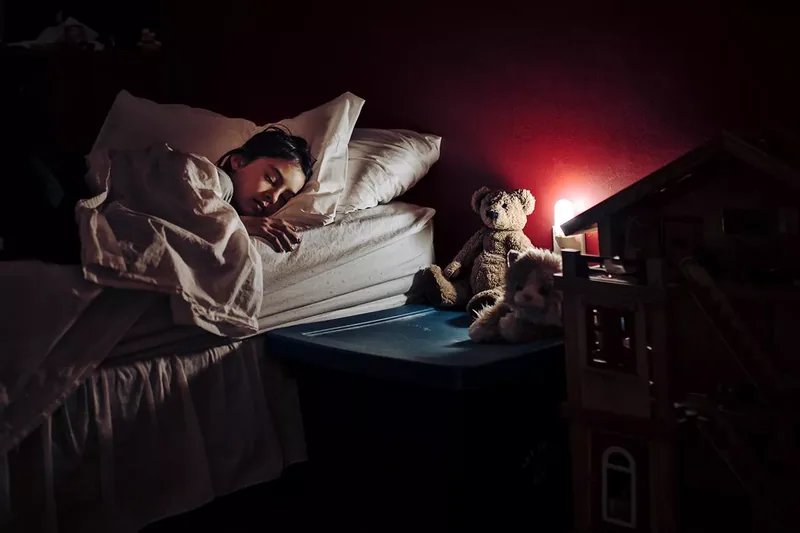
Behavioral symptoms are equally significant and often involve avoidance. Someone with nyctophobia might exhibit an extreme reluctance to go out at night, preferring to stay indoors even when it means missing important events or social gatherings. They may insist on sleeping with multiple night lights, leaving televisions on, or keeping doors open to allow light from other rooms. In more severe cases, individuals might attempt to flee dark rooms or become visibly angry or defensive if encouraged to spend time in the dark. For example, a person might create elaborate excuses to avoid camping trips or decline promotions that involve working late shifts in an office building. These avoidance behaviors, while offering temporary relief, ultimately reinforce the phobia and prevent the individual from confronting and overcoming their fears. The National Institute of Mental Health (NIMH) highlights that specific phobias, including nyctophobia, are quite common, affecting about 12.5% of U.S. adults at some point in their lives, underscoring the widespread nature of such anxieties (Harvard, 2024).
3. What Triggers Nyctophobia?
The origins of nyctophobia, also known as scotophobia, achluophobia, or lygophobia, are multifaceted, often blending evolutionary instincts with personal experiences and psychological factors. One prominent theory suggests an evolutionary basis: historically, darkness was inherently more dangerous due to unseen predators and environmental hazards. This ingrained survival mechanism, where the unknown in the dark represented a real threat, could still linger in some individuals, manifesting as an irrational fear of the dark. It’s not the absence of light itself that frightens, but rather the perceived hidden dangers lurking within it—a common trope effectively exploited in horror films. For example, the creaking sound of a house at night can be easily dismissed in daylight but becomes terrifying when amplified by the imagination in darkness.
Beyond evolutionary roots, individual experiences play a crucial role. Traumatic events that occurred in the dark, or even stories heard during childhood about monsters or dangers in unlit spaces, can imprint a lasting association between darkness and fear. A child who was left alone in a dark room as a punishment, or an adult who experienced a home invasion at night, might develop a profound and lasting afraid dark? nyctophobia. Furthermore, psychoanalytic perspectives suggest a link to separation anxiety. Some theories propose that the fear of darkness can symbolize the fear of being separated from a primary caregiver or a sense of security, particularly when alone. Genetic predispositions, family upbringing, and even subtle differences in brain structure and neurochemistry can also contribute to the development of specific phobias like nyctophobia, making some individuals more vulnerable to developing an intense fear of the dark than others.
4. Diagnosing a Fear of the Dark
Diagnosing nyctophobia, an overwhelming fear of the dark, does not involve a specific medical test but rather a comprehensive evaluation by a doctor or mental health professional. This process typically begins with a detailed discussion of the individual’s medical history, current symptoms, and how these symptoms impact their daily life. Since nyctophobia is not listed as a distinct condition in the “Diagnostic and Statistical Manual of Mental Disorders” (DSM-5-TR), it is classified as a type of specific phobia. Therefore, the diagnosis relies on meeting the general criteria for specific phobias, which delineate a clear distinction between a common apprehension and a clinical phobia.
To be diagnosed with a specific phobia like nyctophobia, an individual must experience intense and excessive fear or anxiety specifically triggered by darkness. This fear must be immediate and consistent every time they encounter the source of their fear, meaning the reaction is not sporadic but reliably present. Crucially, the level of fear and anxiety experienced must be disproportionate to the actual danger posed by the dark. For instance, fearing a pitch-black forest at night is understandable, but fearing a familiar, safe bedroom when the lights are off might indicate a phobia. Individuals must also actively avoid dark environments or endure them with significant distress, indicating a functional impairment. These symptoms must persist for at least six months and cause considerable distress, interfering with occupational, social, or other important areas of functioning. The clinician will also rule out other mental health disorders or medical conditions that could explain the symptoms, ensuring an accurate diagnosis for those who are truly afraid of the dark? Nyctophobia requires careful assessment to guide effective treatment.
5. Effective Treatments for Nyctophobia
For those struggling with nyctophobia, the good news is that treatment for specific phobias boasts a high success rate, often around 90%, especially when tailored to the individual’s needs. The primary goal of therapy is to challenge and reframe fearful beliefs about darkness, thereby reducing the intensity and frequency of symptoms. Most effective techniques are rooted in the cognitive-behavioral school of therapy (CBT), which focuses on identifying and changing negative thought patterns and behaviors associated with the fear of the dark. In 2025, advancements in virtual reality (VR) exposure therapy are also showing promise, allowing individuals to confront their fears in a controlled, simulated environment before transitioning to real-world scenarios.
One of the most powerful and widely used treatments is exposure therapy, often conducted through a process called desensitization. Under the guidance of a professional, individuals are gradually exposed to the dark in small, incremental, and non-threatening doses. This might start with imagining being in a dimly lit room, then progressing to a slightly darkened room with a therapist present, and eventually to spending time in a fully dark space. Each step is carefully managed to ensure the individual feels safe and in control, allowing them to habituate to the stimulus and realize that their feared outcomes do not occur. Alongside exposure, one-on-one talk therapy, particularly CBT, helps individuals understand the irrationality of their fears and develop healthier coping mechanisms. Mindfulness practices, which encourage individuals to become more aware of their present feelings and surroundings without judgment, can also be integrated to manage anxiety. Learning relaxation techniques, such as deep breathing exercises or progressive muscle relaxation, provides immediate tools to calm the body’s physiological response when confronting the afraid dark? Nyctophobia can be effectively managed and overcome with a consistent and professionally guided treatment plan.
6. Practical Coping Strategies for Nyctophobia
Beyond professional treatment, individuals struggling with nyctophobia can significantly enhance their progress and manage daily anxieties through various self-help and coping strategies. These techniques are designed to complement therapy, empowering individuals to take an active role in overcoming their fear of the dark. One of the most accessible and effective strategies involves relaxation techniques. Practicing deep breathing exercises, progressive muscle relaxation (where you tense and relax different muscle groups), or guided imagery can help calm the nervous system when feelings of anxiety arise. For example, before entering a dark room, taking several slow, deep breaths can help regulate heart rate and promote a sense of control.
Establishing a consistent routine that prioritizes overall well-being is also crucial. Regular physical exercise is a powerful stress reliever and can improve mood, making it easier to manage anxiety associated with the afraid dark? Nyctophobia often thrives on exhaustion and heightened stress, so ensuring adequate, quality sleep each night is fundamental. Creating a comfortable and secure sleep environment, even if it initially requires a dim night light, can be a gentle step towards greater comfort. Practicing good self-care, which includes healthy eating, engaging in enjoyable hobbies, and maintaining social connections, builds resilience against anxiety. For instance, if you are nervous about walking home in the dark, listening to a favorite podcast or calling a friend can provide a distraction and a sense of connection. Gradually increasing exposure to low-light environments in a controlled manner, such as dimming lights slowly in a familiar room or using a low-wattage lamp, can also help desensitize the fear over time, fostering a sense of mastery and confidence.