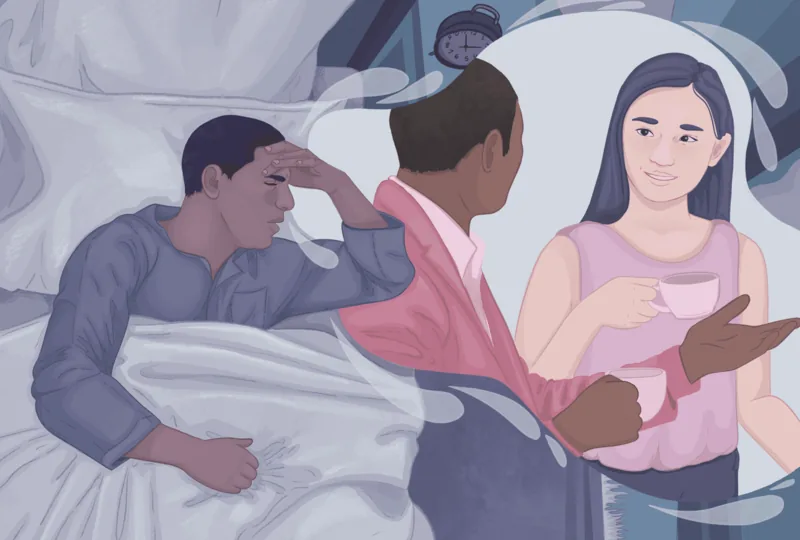
Have you ever felt an unsettling suspicion that someone was watching you, or that events were conspiring against you, even when logic suggested otherwise? While occasional moments of doubt are normal, for some, these suspicions become deeply ingrained, unshakable beliefs that distort their perception of reality. These are known as paranoid delusions.
So, what are paranoid delusions? They are a symptom of psychosis, characterized by irrational thoughts and fears that one is being persecuted, harmed, or conspired against, despite a lack of evidence. These beliefs can be profoundly distressing and significantly impact an individual's life and relationships.
Understanding Paranoid Delusions: A Deep Dive
Paranoid delusions are a complex manifestation of altered thought processes, where an individual holds firmly to beliefs of persecution, despite overwhelming evidence to the contrary. This can involve believing others are spreading rumors, plotting harm, or even that a partner is unfaithful without any factual basis. They represent a significant detachment from shared reality, often leaving those affected feeling isolated and misunderstood.
These delusions are sometimes categorized as 'bizarre' when their content is utterly implausible and strange, such as believing aliens are controlling one's thoughts. This contrasts with 'non-bizarre' delusions, which involve situations that could conceivably happen, like believing one is being followed by law enforcement, though without actual proof. Regardless of their nature, the core characteristic is the unwavering conviction in the face of contradictory evidence. Understanding what are paranoid delusions is the first step toward effective support and treatment.
What Triggers Paranoid Delusions? Exploring the Causes
Paranoid delusions are not a standalone condition but rather a symptom often associated with underlying mental health disorders or other factors. Identifying the root cause is crucial for accurate diagnosis and effective intervention (Harvard, 2024).
Several factors can contribute to the development of paranoid delusions:
- Schizophrenia: A chronic brain disorder that affects how a person thinks, feels, and behaves, often involving delusions and hallucinations.
- Bipolar Disorder: A mood disorder characterized by extreme shifts in mood, energy, and activity levels. Psychotic symptoms, including paranoid delusions, can occur during severe manic or depressive episodes.
- Substance Use or Withdrawal: The use of certain illicit drugs (e.g., stimulants, hallucinogens) or severe alcohol withdrawal can induce temporary or persistent paranoid states.
- Other Mental Health Conditions: While less common as a primary symptom, delusions can sometimes appear in severe cases of anxiety disorders, post-traumatic stress disorder (PTSD), obsessive-compulsive disorder (OCD), and certain personality disorders.
- Delusional Disorder: In some instances, paranoid delusions may be the primary and only symptom, leading to a diagnosis of delusional disorder, where the individual experiences non-bizarre delusions for at least one month without other prominent psychotic symptoms (Mayo Clinic, 2023).
It's important to note that while various factors can play a role, most paranoid delusions are linked to a primary mental illness requiring specialized care.
The Many Faces of Delusion: Types and Examples
Paranoid delusions can manifest in diverse forms, each with its unique focus of irrational belief. Recognizing these types helps in understanding the specific nature of an individual's experience.
- Delusions of Persecution: These involve the belief that others are actively trying to harm, injure, conspire against, or mistreat the individual or someone close to them. For example, a neighborhood resident is convinced their next-door neighbors are actively plotting to steal their pet, installing extra locks and surveillance cameras to prevent the imagined theft.
- Delusions of Reference: Individuals with these delusions believe that certain events, objects, or people in their environment have a particular and unusual significance, usually referring directly to them. For instance, someone might interpret a specific news report about a national event as a coded message meant solely for them, believing they are central to the unfolding narrative.
- Delusions of Grandeur: This type involves beliefs of possessing exceptional abilities, wealth, fame, or power that are clearly unfounded. An individual might genuinely believe they possess the ability to predict future stock market fluctuations with perfect accuracy, despite a history of financial losses.
- Delusions of Control: Here, the person believes that their thoughts, feelings, or actions are being controlled or manipulated by an external force. For example, a person believes that government agencies are manipulating their thoughts through secret radio waves, dictating their daily decisions and actions.
- Delusions of Being Watched: This is the persistent belief that others are constantly observing or monitoring one's behavior, often through hidden cameras or surveillance.
- Delusions of Jealousy: Also known as morbid jealousy, this involves an unfounded conviction that one's partner is being unfaithful, often leading to obsessive scrutiny and accusations without any concrete proof.
Recognizing the Signs: Symptoms of Paranoid Delusions
Identifying the symptoms of paranoid delusions can be challenging, as individuals often guard their beliefs closely. However, certain signs may indicate that a loved one is experiencing these distressing thought patterns.
- Holding Persecutory Beliefs: The most central symptom is a strong conviction that they are being attacked, harassed, cheated, persecuted, or followed. They may become guarded, secretive, and deeply suspicious of others, believing people are trying to poison them, spy on them, or plot against them.
- Auditory Hallucinations: In some cases, individuals may experience auditory hallucinations, such as hearing voices. These voices often reinforce, confirm, or even exaggerate the delusional beliefs, for example, a voice telling them that their partner is cheating. They might also believe that media like television or radio broadcasts are directly transmitting their thoughts or messages to them.
- Difficulty Distinguishing Reality from Fantasy: A core aspect of psychosis, this symptom means the person struggles to differentiate between their delusional beliefs and objective reality. These symptoms are commonly associated with psychotic disorders like schizophrenia.
- Disorganized Thinking: Conversations may become rambling, illogical, or jump unpredictably from one topic to another. This disorganized thought process can make coherent communication difficult and further isolate the individual.
If you observe these signs, understanding what are paranoid delusions and seeking professional help promptly is vital for the individual's well-being.
Pathways to Healing: Treatment and Support
Addressing paranoid delusions requires a comprehensive and individualized approach, often combining medication and psychotherapy. Early diagnosis and intervention significantly improve outcomes.
The first step involves a thorough medical evaluation to rule out any underlying physical conditions or substance-induced causes. If substance abuse is a factor, detoxification and subsequent treatment for addiction may help alleviate symptoms.
Medication
For delusions stemming from mental health conditions like schizophrenia or bipolar disorder, antipsychotic medications (also known as neuroleptic drugs) are typically prescribed. These medications work by balancing certain brain chemicals that influence mood and thought, effectively reducing the intensity and frequency of delusional thoughts (Harvard, 2024).
It's common for individuals with paranoid delusions to resist medication, as they may not believe their symptoms are indicative of a mental health condition. In situations where safety is at risk, treatment may need to be initiated under close medical supervision, even if initially against the individual's wishes.
Psychotherapy
Alongside medication, various forms of counseling and psychotherapy, often referred to as 'talk therapy,' are highly beneficial. Cognitive Behavioral Therapy (CBT) can help individuals develop coping strategies, challenge distorted thought patterns, and improve their ability to test reality. Family therapy can also be invaluable, providing education and support to family members, improving communication, and reducing stress within the household (Mayo Clinic, 2023).
A therapist works with the individual to explore the origins of their delusions, when possible, and provides tools to manage their impact. Therapy aims to improve overall mental well-being, leading to a reduction in the severity of symptoms and a better quality of life. Understanding what are paranoid delusions and their treatability is a crucial message for both individuals and their families.
Supporting a Loved One: Practical Guidance
Supporting someone experiencing paranoid delusions requires patience, empathy, and a clear understanding of their condition. It can be challenging, but your support is invaluable.
- Offer Unconditional Support: Let the person know you are there to listen without judgment. Show genuine interest in their fears and worries, which can help them feel less isolated. Avoid patronizing or dismissing their feelings, as this can reinforce their sense of being misunderstood.
- Provide Reassurance in Social Settings: When in the company of others, subtly reassure them of your presence and willingness to help if needed. Offering to accompany them on errands or social outings can provide a sense of security.
- Encourage Treatment Adherence: If they are receiving professional help, gently encourage them to continue taking their medication and attending therapy sessions. Offering to go with them to appointments can demonstrate your commitment and help them feel safer discussing their concerns with professionals.
- Seek Support for Yourself: Joining a local or online support group for caregivers can provide valuable resources, practical advice, and a community of people who understand your experiences. This can also be an opportunity to offer support to others coping with similar challenges.
- Help Them Find Stress Relief: High stress and anxiety can exacerbate delusional symptoms. Encourage engagement in relaxation techniques such as mindfulness meditation, deep breathing exercises, or gentle physical activities like yoga. Participating with them can be a great way to bond and encourage consistency.
- Be Understanding and Respectful: Remember that their delusions are real to them. While you don't have to agree with the delusions, acknowledge their distress. Respect their boundaries and understand that they may not always want help or advice. There is no 'right' way for someone to feel or behave when experiencing paranoid delusions, and acceptance is key.