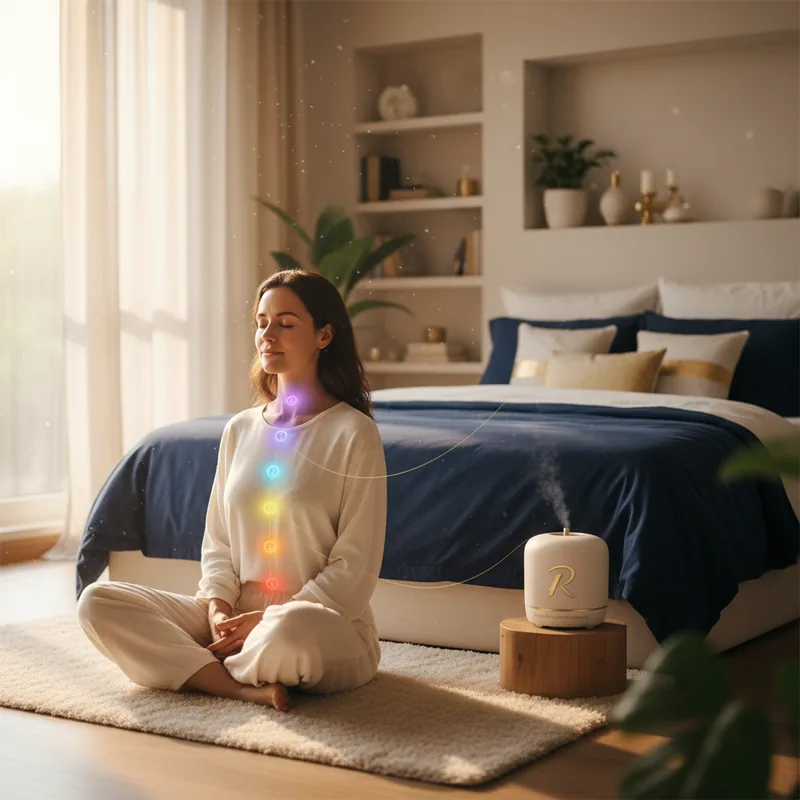
Have you ever felt an inexplicable block in your creativity, a persistent unease, or a struggle to communicate your truth? These experiences, often dismissed as mere happenstance, might be whispers from your body’s subtle energy system. Understanding what are 7 chakras, the ancient energy centers within us, offers a profound pathway to unlocking physical vitality, emotional resilience, and spiritual clarity. These energetic hubs, originating from ancient Indian spiritual practices, are believed to significantly influence our overall well-being, acting as vital conduits between our inner world and outer experiences.
The concept of chakras has enriched holistic healing methods and Eastern philosophies for millennia. Derived from the Sanskrit word for “disk” or “wheel,” chakras are energetic vortices nestled along the spine, each correlating to specific physiological functions, emotional states, and spiritual themes. Embracing this framework allows us to view our health through a more integrated lens, recognizing the intricate dance between our physical body, our emotions, and our spirit.
Understanding the Chakra System
The chakra system is an ancient spiritual science, with its roots deeply embedded in Indian traditions. The earliest known references appear in the sacred texts of the Vedas, dating back between 1500 and 500 BC (Cooper, 2019). However, many scholars believe the knowledge of chakras predates these texts, passed down through rich oral traditions within Indian culture. This enduring wisdom highlights the timeless relevance of understanding our inner energetic landscape.
At its core, understanding what are 7 chakras provides a profound framework for self-awareness. Each chakra functions as a distinct energetic vortex, responsible for governing particular aspects of our life and well-being. For instance, while the Crown Chakra is associated with spiritual wisdom and interconnectedness, the Root Chakra anchors us to feelings of security and abundance. These centers are not merely abstract concepts; they are believed to be intimately linked to our physical body, life force (prana), mind, and intellect.
Beyond ancient spiritual practices, the chakra system has found its way into various modern healing modalities. It serves as a foundational framework in yoga, guiding practitioners toward physical and spiritual alignment. In Ayurvedic medicine, an ancient Indian medical system prioritizing a holistic approach to wellness through plant medicine, diet, and lifestyle, chakras are often used as a diagnostic tool (NCCIH, n.d.). Similarly, Traditional Chinese Medicine (TCM) and even some contemporary psychotherapeutic approaches have begun to reference the chakra system, recognizing its potential for fostering deeper healing and self-understanding.
The Seven Energy Centers Explained
The human body is believed to house seven primary chakras, each with its unique resonance and influence on our being. The ultimate goal in chakra work is to achieve a harmonious balance among these centers, leading to enhanced overall health and a profound sense of alignment. Each chakra corresponds to specific organs, emotional patterns, and life themes. When exploring these connections, it's crucial to remember that chakra-related ailments are often viewed through theoretical lenses, such as the 5-phase theory of Traditional Chinese Medicine, rather than as definitive medical diagnoses (Chase, 2018). They offer a complementary perspective on potential imbalances rather than replacing conventional medical advice.
So, what are 7 chakras, specifically, and what unique energies do they govern? Let's delve into each one.
1. Root Chakra (Muladhara)
Located at the base of the spine, encompassing the pelvic area and sit bones, the Root Chakra is our first energy center. It governs our most fundamental needs: family, security, and basic survival instincts. This chakra is our anchor, connecting us to the earth and providing a sense of grounding. It's associated with the spine, kidneys, bladder, and large intestine.
When the Root Chakra is imbalanced, individuals might experience physical issues such as bowel disorders, immune system challenges, and lower back pain. Emotionally, an imbalance can manifest as deep insecurity, feelings of scarcity, chronic anxiety, or an intense fear of change. For example, someone constantly worried about their financial future, despite having stable employment, might be experiencing an imbalanced Root Chakra, leading to restless nights and a constant sense of unease.
2. Sacral Chakra (Svadhisthana)
Our second chakra, the Sacral Chakra, resides between the belly button and the pubic bone, deeply linked to our sexual organs. This center is the wellspring of creativity, emotional intelligence, social integration, and sexual fulfillment. It governs our capacity for pleasure, passion, and healthy boundaries.
An imbalanced Sacral Chakra can lead to physical ailments like menstrual issues, testicular or uterine diseases, impotence, and lumbar pain. Emotionally, it might present as jealousy, heightened sensitivity to criticism, or difficulties with open and honest communication. Consider an artist who suddenly faces a profound creative block, feeling uninspired and unable to express themselves, despite their passion for their craft. This could indicate an imbalance in their Sacral Chakra, hindering their flow of creative energy.
3. Solar Plexus Chakra (Manipura)
The third chakra, the Solar Plexus, is situated between the upper abdomen and the chest bone. It is the seat of our personal power, self-esteem, and capability, influencing how we assert ourselves in the world, particularly in our careers and personal achievements. This chakra is associated with the liver, gallbladder, stomach, spleen, and pancreas.
Dysfunction in these associated organs, such as digestive disorders or even diabetes, can point to an imbalanced Solar Plexus Chakra. Emotionally, individuals might grapple with depression, chronic low energy, dismal self-esteem, or even manifest as stubbornness and arrogance as a compensatory mechanism. A person who struggles with imposter syndrome at work, despite their clear competence, constantly doubting their abilities and fearing judgment, may be experiencing an imbalanced Solar Plexus Chakra.
4. Heart Chakra (Anahata)
Located in the center of the chest, the Heart Chakra is our fourth energy center, universally recognized as the hub of love and empathy. It profoundly impacts our romantic relationships, our capacity for compassion, and our general sense of love for humanity. This chakra is directly linked to the heart, circulatory system, and vagus nerve function.
When unbalanced, there's an increased susceptibility to heart and circulatory issues, and even conditions like scoliosis. Emotionally, an imbalanced Heart Chakra can lead to tearfulness, anxiety, depression, and significant challenges in both giving and receiving love. Individuals might find themselves isolating, struggling to form deep connections, or feeling a persistent sense of loneliness.
5. Throat Chakra (Vishuddha)
The fifth chakra, the Throat Chakra, is centered in the throat and governs our ability to communicate our truth and maintain self-awareness. It's associated with the lungs, larynx, pharynx, and vagus nerve, making it crucial for expression and vocal health.
An imbalance can increase the risk of asthma, frequent sore throats, and other respiratory issues. Emotionally, a blocked Throat Chakra might manifest as shyness, extreme introversion, paranoia, or suppressed emotions, making it difficult for an individual to speak their mind or express their authentic self. Imagine someone who consistently holds back their opinions in group settings, fearing judgment or conflict, even when they have valuable insights. This could be a sign of an imbalanced Throat Chakra, preventing them from speaking their truth.
6. Third-Eye Chakra (Ajna)
Our sixth chakra, the Third-Eye Chakra, is positioned between the eyebrows and is the seat of our intuition, insight, and rational thought. It governs our capacity for clear perception, regardless of a situation’s complexity, and is associated with the left and lower brain, ears, nose, and left eye.
Physical manifestations of an unbalanced Third-Eye Chakra can include headaches, dizziness, and cataracts. On an emotional level, individuals might experience anger, rage, chronic stress, anxiety, or a pervasive sense of indifference, struggling to see beyond superficial appearances or connect with their inner wisdom.
7. Crown Chakra (Sahasrara)
Located at the very top of the head, the Crown Chakra is believed to be where our intuition reaches its peak, connecting us to universal consciousness and reminding us of our interconnectedness with all living beings. It is associated with our right and upper brain and the right eye.
When this chakra is unbalanced, one might suffer from headaches, depression, or insomnia. Emotional imbalances related to the Crown Chakra can include arrogance, excessive pride, hallucinations, or a deep sense of melancholy, indicating a disconnection from spiritual purpose or a healthy sense of self.
Chakras and Holistic Well-being
Integrating knowledge of the chakra system can be a powerful tool for enhancing our mental, emotional, and physical health. Rather than using each chakra as a literal diagnostic basis for specific medical conditions, we can explore the themes and potential imbalances associated with each center as a framework for self-reflection and personal growth. This perspective offers a rich vocabulary to describe what we are experiencing, moving beyond simple labels to a deeper understanding of our energetic landscape.
For those seeking to delve deeper, various healing modalities can support chakra balancing. Seeking out a holistic therapist or depth psychotherapist can be invaluable, as they may integrate the knowledge of what are 7 chakras into your mental health care, offering guidance on how these energy centers relate to your psychological patterns and life experiences. Yoga, intrinsically linked to the chakra system, provides a direct pathway to deepen your mind-body connection through specific poses, breathing exercises, and meditation practices that target each chakra.
Traditional Chinese Medicine (TCM) offers another profound route to healing, often utilizing acupuncture and herbal remedies to address both physical and emotional imbalances. TCM practitioners view the body as an interconnected system, aligning perfectly with the holistic philosophy of the chakras. If you're interested in furthering your knowledge on how each specific chakra correlates to your overall sense of mental health and development, consider reading "Eastern Body, Western Mind" by Anodea Judith. This seminal work by a psychotherapist combines the chakra system with Erikson's stages of development, offering a workbook full of exercises to help you find a deeper sense of alignment.
Ultimately, understanding what are 7 chakras empowers us with knowledge. When we learn more about the intricate possibilities within our own energetic system, we gain access to additional avenues for healing, growth, and self-mastery. This journey of discovery is not just about understanding ancient wisdom; it's about cultivating a more balanced, vibrant, and aligned life in the modern world.