Obsessive-compulsive disorder (OCD) is a complex condition characterized by intrusive thoughts and repetitive behaviors that can significantly impact daily life. Many individuals seek various avenues to manage their symptoms, and the question of whether natural remedies can relieve OCD symptoms is increasingly common. While the appeal of natural solutions is strong, current evidence suggests that herbal remedies for OCD often have mixed or limited scientific support, and should never replace conventional medical treatments.
It’s crucial to approach natural treatments with caution, always consulting a healthcare professional before integrating them into your regimen. As of 2025, research is ongoing, but most herbal supplements lack the robust, large-scale clinical trials that are standard for prescription medications (Harvard, 2024). This guide will delve into specific herbal remedies, their purported benefits, and the essential considerations for anyone hoping to relieve OCD symptoms through natural means.
1. Understanding OCD and the Appeal of Natural Remedies
Obsessive-compulsive disorder (OCD) is a chronic mental health condition marked by uncontrollable, reoccurring thoughts (obsessions) and behaviors (compulsions) that an individual feels compelled to repeat. These symptoms can be distressing and interfere significantly with daily activities, relationships, and overall quality of life. The search for effective treatments is constant, and for many, the idea of natural remedies offers a hopeful alternative or adjunct to conventional medicine.
The growing interest in natural solutions stems from a desire for fewer side effects, a holistic approach to wellness, and sometimes, dissatisfaction with traditional pharmaceutical options. Individuals often explore herbal remedies hoping to gently relieve OCD symptoms without the intensity of prescription drugs. However, it’s vital to differentiate between general anxiety relief and specific efficacy for OCD, a distinction often blurred in public discourse. Understanding the limitations and potential risks is paramount before embarking on any natural treatment path.
2. Herbal Remedies with Limited Evidence for OCD
When exploring natural options to relieve OCD symptoms, several herbal remedies and nutritional supplements frequently arise in discussions. It is paramount to understand that while some may show promise for general mood or anxiety, their specific efficacy for OCD is largely unproven or has yielded mixed results in clinical studies. Always consult a healthcare provider before considering any of these, especially if you are on prescription medication.
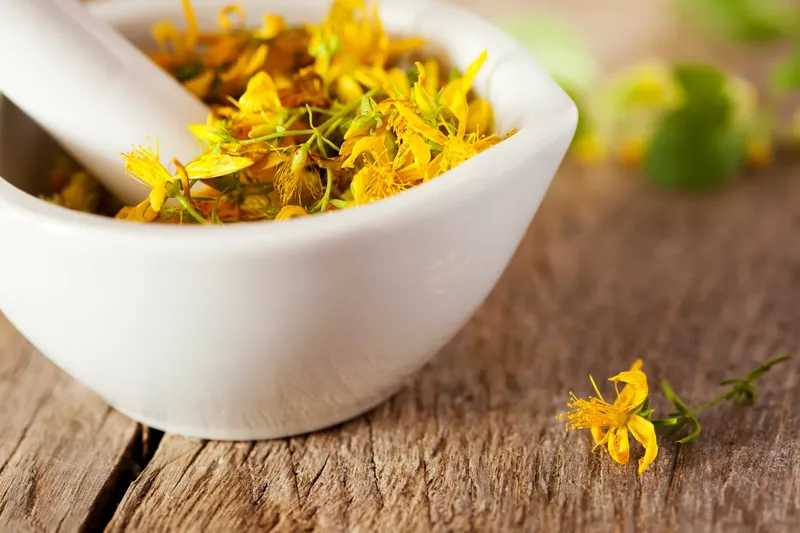
St. John’s Wort (Hypericum perforatum)
St. John’s Wort is widely recognized for its use as an herbal antidepressant, particularly in Europe, where it’s been licensed for mood and anxiety disorders for decades. Its active component, hypericum, is believed to influence the serotonin system, similar to how many antidepressant medications work. Given that serotonin pathway disruptions are implicated in OCD, it was theorized that St. John’s Wort could potentially relieve OCD symptoms.
However, research specifically targeting OCD has been inconclusive. While early case studies and small trials suggested some reduction in symptoms, these often lacked proper placebo controls, making it difficult to rule out the placebo effect. More rigorous randomized-controlled trials have shown no significant difference between St. John’s Wort and a placebo in reducing OCD symptoms, casting doubt on its direct effectiveness for this condition. Furthermore, it can interact dangerously with many medications, including SSRIs, leading to conditions like serotonin syndrome.
Milk Thistle (Silybum marianum)
Milk thistle, an herbal remedy traditionally used in Iran for various ailments, has also been investigated for its potential role in mental health. A notable double-blind, placebo-controlled study in 2010 compared milk thistle to fluoxetine (Prozac), a common antidepressant used for OCD. This study found no significant difference between milk thistle and fluoxetine in reducing OCD symptoms.
While milk thistle is generally recognized for its liver-protective properties, its specific benefit for obsessive-compulsive disorder remains unsubstantiated by robust clinical evidence. Therefore, relying on milk thistle solely to relieve OCD symptoms is not supported by current research. It’s crucial for individuals to manage expectations and understand that general wellness benefits do not automatically translate to specific psychiatric treatment.
N-Acetylcysteine (NAC)
N-Acetylcysteine (NAC) is an amino acid that plays a role in moderating glutamine in the brain and is a precursor to glutathione, a powerful antioxidant. Given that glutamatergic pathway dysregulation is thought to be involved in OCD, NAC has garnered interest as a potential therapeutic agent. Limited research, including a single case study, indicated that NAC might enhance the effects of SSRIs like fluvoxamine, leading to a decrease in OCD symptoms.
However, a single case study or very small trials are not sufficient to establish widespread efficacy. While NAC has shown promise in some impulse control disorders and addiction, more extensive, double-blind, placebo-controlled trials are needed to confirm its role in helping to relieve OCD symptoms consistently and safely. Its antioxidant properties are beneficial, but direct psychiatric application requires further validation.
5-HTP and Inositol
5-Hydroxytryptophan (5-HTP) and inositol are other compounds that have been explored due to their involvement in brain pathways related to serotonin and glutamatergic activity, which are implicated in OCD. 5-HTP is a precursor to serotonin, and inositol is a sugar-like compound that influences neurotransmitter signaling. A 2020 double-blind, randomized controlled trial suggested that 5-HTP could be effective as an augmentative treatment for moderate-to-severe OCD.
While this trial offers some encouraging preliminary results, it is important to note that it was an “augmentative” treatment, meaning it was used in addition to standard therapy. More research is needed to fully understand its independent effects and optimal dosage. Similarly, inositol has shown some promise for anxiety and depression, but its specific ability to relieve OCD symptoms requires further robust investigation.
Kava (Piper methysticum)
Kava, derived from the root of the Piper methysticum plant, has been traditionally used in Pacific Island cultures for centuries to promote relaxation and reduce anxiety. Its active compounds, kavalactones, are believed to stimulate the production of serotonin and gamma-aminobutyric acid (GABA), both neurotransmitters associated with calming effects. Clinical trials have indeed shown kava’s effectiveness in reducing general anxiety, nervous tension, and mild depression.
However, despite its anxiolytic properties, direct evidence for kava’s ability to relieve OCD symptoms specifically is limited. Furthermore, kava has been associated with potential liver problems in some individuals, leading to bans or restrictions in several countries. Due to these safety concerns and the lack of specific OCD evidence, kava is not generally recommended without strict medical supervision, especially at doses exceeding 250 mg per day or in conjunction with alcohol.
Ashwagandha (Withania somnifera)
Ashwagandha is an adaptogenic herb widely used in Ayurvedic medicine for its stress-reducing and anxiolytic properties. While it has demonstrated efficacy in reducing stress and anxiety symptoms in various studies, its direct impact on relieve OCD symptoms remains largely unexplored in specific clinical trials. As an adaptogen, it helps the body manage stress by modulating cortisol levels and supporting adrenal function, which could indirectly benefit individuals experiencing stress-related exacerbations of OCD.
However, without dedicated research, it cannot be definitively recommended as a primary treatment for OCD. Its general calming effects might provide some symptomatic relief for co-occurring anxiety, but it is not a substitute for evidence-based OCD therapies. Always consult a healthcare provider to ensure it is appropriate for your specific health profile and will not interact with other medications.
Rhodiola Rosea
Rhodiola Rosea is another adaptogenic herb known for its ability to help the body adapt to stress and reduce fatigue. It has been studied for its potential benefits in improving mood and reducing symptoms of burnout and mild-to-moderate depression. Its proposed mechanisms include influencing neurotransmitters like serotonin, norepinephrine, and dopamine, which are all relevant to mood regulation.
While Rhodiola can be beneficial for general stress and fatigue, there is currently no substantial scientific evidence to suggest it can directly relieve OCD symptoms. Its potential role would likely be in managing co-occurring stress or anxiety that can worsen OCD, rather than targeting the core obsessive-compulsive behaviors themselves. As with any supplement, professional medical advice is essential before use.
3. Critical Considerations for Herbal Remedy Research
When evaluating scientific studies on herbal remedies, especially those claiming to relieve OCD symptoms, it is crucial to apply stringent research standards. The quality of research can vary significantly, and results that appear impressive might sometimes stem from compromised methodologies. Understanding these considerations helps consumers make informed decisions and discern credible claims from unsubstantiated ones.
One major challenge in herbal research is the lack of standardization. Unlike pharmaceutical drugs, which have precise chemical compositions, herbal products can vary widely. The concentration of active chemical components can differ based on the plant’s species, growth conditions, harvest time, and the part of the plant used (leaf, root, seed, or stem). This variability makes it difficult to replicate study findings and ensure consistent effects across different batches or brands of a supplement. Without standardization, it’s hard to know if a specific dose will deliver the same therapeutic effect.
Another critical element is the lack of robust placebo comparisons. Effective clinical trials for any medication, including herbal remedies, must include a placebo group. This group receives an inactive substance, often a “sugar pill,” designed to look identical to the active treatment. By comparing outcomes between the active treatment group and the placebo group, researchers can determine if the observed effects are due to the actual remedy or merely the psychological expectation of receiving a beneficial treatment – known as the placebo effect. Studies without a proper placebo control cannot definitively prove a remedy’s effectiveness beyond psychological influence.
Lastly, potential for bias can significantly skew research results. To minimize bias, medical studies should ideally be “double-blind,” meaning neither the study participants nor the researchers administering the treatment know who is receiving the active remedy and who is receiving the placebo. This prevents conscious or unconscious biases from influencing participant reports or researcher observations. When participants know they are receiving an herbal remedy believed to relieve OCD symptoms, their expectations alone can lead to perceived improvements, regardless of the remedy’s actual biological effect. Rigorous, double-blind, placebo-controlled trials are the gold standard for establishing true efficacy.
4. Potential Side Effects and Drug Interactions
Despite the common misconception that “natural” equates to “safe,” herbal remedies can have significant side effects and dangerous interactions with prescription medications. Unlike conventional drugs, herbal supplements are not regulated with the same rigor by agencies like the FDA in many countries (Harvard, 2024). This lack of oversight means that product purity, potency, and labeling accuracy can be inconsistent, posing potential health risks.
For instance, St. John’s Wort, while often touted for mood enhancement, is a potent inducer of liver enzymes that metabolize many drugs. If you are taking an SSRI (selective serotonin reuptake inhibitor) to relieve OCD symptoms, combining it with St. John’s Wort can lead to a serious condition called serotonin syndrome. This occurs when serotonin levels in the brain become excessively high, causing symptoms like agitation, confusion, rapid heart rate, muscle rigidity, and seizures, which can be life-threatening.
Similarly, kava, despite its anxiety-reducing properties, has been linked to severe liver damage in some individuals. This risk is compounded when kava is consumed with alcohol or other substances that are metabolized by the liver, potentially increasing the burden on this vital organ. Such interactions can lead to liver inflammation, failure, or other serious adverse events. Other herbs can also affect blood clotting, blood pressure, or blood sugar levels, which can be dangerous for individuals on anticoagulant medications, antihypertensives, or diabetes treatments.
It is absolutely essential to consult your doctor or pharmacist before taking any herbal supplement, especially if you are already on prescription medications. They can assess potential interactions, advise on appropriate dosages, and monitor for adverse effects. Failing to disclose all supplements to your healthcare team could lead to unforeseen complications, undermining your health and the effectiveness of your prescribed treatments.
5. Complementary Therapies Beyond Supplements
While the evidence for specific herbal remedies to directly relieve OCD symptoms is often limited, there are several other complementary therapies that can support overall well-being and help manage the stress and anxiety often associated with OCD. These lifestyle interventions generally carry fewer risks than herbal supplements and can be valuable additions to a comprehensive treatment plan. They are not typically standalone treatments for OCD but can enhance coping mechanisms and reduce symptomatic distress.
Mindfulness meditation involves focusing on the present moment, observing thoughts and feelings without judgment. Regular mindfulness practice has been shown to reduce stress, improve emotional regulation, and may help individuals with OCD develop a greater sense of detachment from intrusive thoughts, reducing their power. While direct clinical trials for OCD are still emerging, its benefits for general anxiety and stress reduction are well-established.
Acupuncture, an ancient Chinese practice involving the insertion of thin needles into specific points on the body, is believed to restore energy balance and promote healing. It has been studied for its effects on various conditions, including chronic pain, anxiety, and depression. For individuals with OCD, acupuncture might help by reducing general stress and anxiety, thereby indirectly helping to relieve OCD symptoms by making them feel less overwhelming. However, more targeted research is needed to confirm its specific efficacy for OCD itself.
Yoga combines physical postures, breathing exercises, and meditation, offering a holistic approach to mental and physical health. Practicing yoga can improve flexibility, strength, and balance while also reducing stress and promoting relaxation. The mindful movement and breath work involved in yoga can help ground individuals, providing a healthy outlet for tension and anxiety. While not a direct cure, incorporating yoga into a routine can significantly improve stress management, which can be beneficial for managing OCD.
Other beneficial lifestyle interventions include regular physical exercise, maintaining a balanced diet, ensuring adequate sleep, and engaging in creative outlets. These fundamental pillars of health support overall resilience and can help create a more stable emotional environment, making it easier to cope with OCD symptoms. Unlike prescription drugs or many herbal medications, these lifestyle changes rarely have significant side effects and offer a wide range of health benefits beyond just mental well-being.
6. Integrating Natural Approaches with Professional Care
For individuals seeking to relieve OCD symptoms, it is crucial to understand that natural approaches are most effective when used as complementary strategies, rather than replacements, for evidence-based professional treatments. OCD is a serious mental health condition that typically requires a multi-faceted approach involving medication and therapy. Relying solely on natural remedies without professional guidance can delay effective treatment and potentially worsen symptoms.
The gold standard treatments for OCD include specific forms of psychotherapy, primarily Cognitive-Behavioral Therapy (CBT), especially Exposure and Response Prevention (ERP). ERP is highly effective, helping individuals confront their fears and resist compulsive behaviors, gradually reducing the power of obsessions. Another beneficial therapy is Acceptance and Commitment Therapy (ACT), which focuses on accepting distressing thoughts and committing to value-driven actions. These therapies provide concrete tools and strategies to manage OCD.
In conjunction with therapy, medications such as selective serotonin reuptake inhibitors (SSRIs) and tricyclic antidepressants (TCAs) are frequently prescribed. These medications work by balancing neurotransmitters in the brain and have a strong evidence base for reducing the severity of OCD symptoms. Research indicates that a significant percentage of people with OCD—ranging from 32% to 70%—can achieve symptom remission with long-term, consistent treatment involving both medication and therapy.
If you choose to explore natural treatments to relieve OCD symptoms, always do so in close consultation with your primary care physician, psychiatrist, or therapist. It is imperative to inform them about all medications, supplements, and substances you are currently taking. This open communication is vital to prevent dangerous drug interactions, monitor for side effects, and ensure that your overall treatment plan remains safe, effective, and tailored to your individual needs. A collaborative approach between you and your healthcare team offers the best pathway to managing OCD and improving your quality of life.