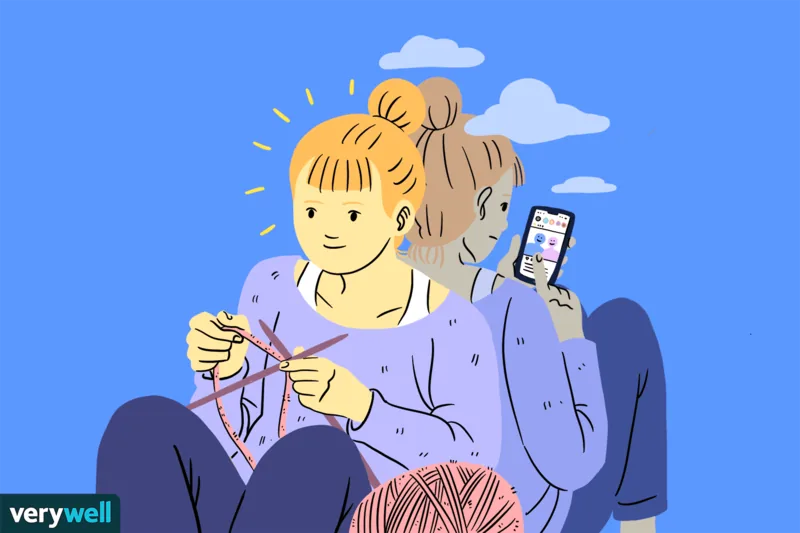
Feelings of inadequacy can cast a long shadow over our lives, impacting everything from personal relationships to career aspirations. Research suggests that a significant portion of adults grapple with self-doubt; studies indicate that nearly 85% of people worldwide report low self-esteem at some point in their lives, often manifesting as insecurity (Harvard Health, 2023). So, how to be less insecure and cultivate a stronger sense of self-worth? Overcoming insecurity involves a journey of self-awareness, challenging limiting beliefs, and actively building confidence through practical strategies. This comprehensive guide will explore the roots of self-doubt and offer actionable steps to empower you to live a more confident and fulfilling life.
Understanding the Landscape of Self-Doubt
At its core, insecurity is the persistent, unsettling feeling of being inadequate, unworthy, or simply 'not good enough.' These negative self-perceptions are more than fleeting thoughts; they can deeply infiltrate various facets of life, from your sense of belonging in social circles and your professional capabilities to your body image and the health of your romantic relationships. Mental health experts emphasize that self-doubt makes it profoundly challenging to trust others, forge healthy connections, believe in your own talents, and steadfastly pursue your ambitions (American Psychological Association, 2022).
Living with insecurity often means feeling perpetually unsure of yourself, constantly questioning your worth, and struggling to be authentic in your interactions. It can feel like walking on eggshells, internally monitoring every action and word for potential judgment. While confidence is about having a healthy sense of self-esteem, trusting your instincts, and accepting yourself, insecurity manifests as a continuous, debilitating internal struggle. Consider these contrasting characteristics:
- Insecure Individuals often exhibit: Persistent feelings of inadequacy, constant self-doubt that undermines their potential, pervasive uncertainty, questioning the stability and sincerity of their relationships, a profound fear of abandonment, feeling perpetually out of place in social settings, obsessing over perceived shortcomings, heightened sensitivity to constructive criticism, a deep distrust in their ability to handle difficult situations, and a strong reluctance to take personal or professional risks that could lead to growth.
- Secure Individuals often exhibit: A strong sense of inner confidence, a healthy and stable sense of self-esteem, unwavering trust in their instincts and decisions, feeling secure and stable in their relationships, independence from others’ approval for their self-worth, comfort and authenticity in diverse social settings, genuine self-acceptance and positive body image, openness to constructive feedback as an opportunity for growth, unwavering faith in their ability to handle life’s challenges, and a courageous willingness to reach for what they truly desire.
Unraveling the Roots of Insecurity
Understanding where self-doubt originates is a crucial step in learning how to be less insecure. Several factors, often intertwined and deeply personal, can contribute to these pervasive feelings:
- Early Life Experiences: Traumatic childhood events, such as being bullied, emotionally mistreated, neglected, or abused by caregivers, can leave lasting scars on a developing psyche. These experiences often instill a core belief of not being 'good enough' or unworthy of love and support, forming a bedrock of insecurity that can persist and shape adult relationships and self-perception (Child Development Institute, 2021).
- Unhealthy Relationships: Sustained exposure to poor treatment, criticism, or betrayal from friends, family members, colleagues, or romantic partners can severely erode trust in others. Worse, it can make it incredibly difficult to trust your own judgment and instincts about who is trustworthy and who isn't, leading to a profound sense of relational insecurity.
- Significant Setbacks: Experiencing major life disruptions like a painful divorce, a devastating breakup, or an unexpected job loss can take a severe toll on self-esteem and self-confidence. These events often trigger feelings of failure, inadequacy, or personal responsibility, making one feel insecure about their future capabilities or their ability to cope with adversity.
- External Validation Focus: Modern society often places a disproportionate value on external achievements — awards, promotions, social media likes, or material possessions — over internal qualities like resilience, effort, and personal growth. This reliance on extrinsic motivators can prevent the development of a robust inner sense of self-worth, making approval from others a constant, fleeting necessity rather than a bonus.
- Societal and Cultural Pressures: The constant bombardment of idealized beauty standards, unattainable lifestyles, and curated perfection, particularly through social media and advertising, creates fertile ground for comparison. Measuring oneself against these unrealistic benchmarks can lead to profound feelings of inadequacy and insecurity, fostering a belief that one is inherently lacking (Mayo Clinic, 2023).
The Far-Reaching Impact of Self-Doubt
Insecurity isn't just an internal feeling; it actively shapes your interactions, opportunities, and overall quality of life. The negative impact of self-doubt can be felt across multiple domains:
Relationship Difficulties
When you're insecure, you may constantly question your standing with others, assuming they don't truly want you around or fearing eventual abandonment. This fear can lead to self-sabotaging behaviors that inadvertently push people away. For instance, constantly seeking reassurance from a partner, interpreting neutral actions as signs of disinterest, becoming overly possessive, or even checking up on them, can strain trust and create distance, ultimately leading to a self-fulfilling prophecy of failed social and romantic connections.
Career Challenges
Professional life can also suffer significantly. Insecurity often translates into indecisiveness, a reluctance to take calculated risks, and a fear of failure, causing individuals to play it safe and miss out on valuable opportunities. Consider a highly qualified employee who consistently hesitates to apply for a promotion or volunteer for a high-visibility project because they secretly doubt their leadership abilities or fear public scrutiny, even when their colleagues recognize their potential.
Furthermore, an overly sensitive response to constructive criticism can hinder professional growth. Instead of channeling feedback into improvement, insecure individuals may dwell on perceived shortcomings, becoming defensive or demoralized. Projecting confidence is vital in the workplace; if you exude competence, intelligence, and capability, colleagues and superiors are far more likely to believe in you, leading to stronger first impressions, increased credibility, and more successful navigation of workplace challenges.
Mental Health Concerns
The persistent stress and internal turmoil associated with insecurity are strongly linked to various mental health issues. Research highlights significant connections between an insecure personality and increased risks of chronic stress, anxiety disorders, clinical depression, eating disorders, certain personality disorders, obsessive-compulsive disorder (OCD), substance use and addiction, post-traumatic stress disorder (PTSD), and even a higher prevalence of suicidal thoughts and behaviors (National Institute of Mental Health, 2020).
If you are experiencing suicidal thoughts, please reach out for help. In the U.S., you can contact the National Suicide Prevention Lifeline at 988 for support and assistance from a trained counselor. If you or a loved one are in immediate danger, call 911.
Practical Strategies: How to Be Less Insecure and Build Confidence
Transforming insecurity into lasting confidence is an active process that requires consistent effort, self-compassion, and a willingness to step outside your comfort zone. Here are actionable strategies to help you on your journey to learn how to be less insecure:
- Identify Your Triggers: Start by becoming a keen observer of your own mind and emotions. What specific situations, people, or internal thoughts consistently spark or intensify your insecurities? Journaling can be a powerful tool here, helping you track patterns, understand your emotional reactions, and pinpoint the specific areas that need attention. Recognizing a trigger is the first crucial step toward understanding and eventually disarming its power.
- Challenge Negative Self-Talk: Once you're aware of that critical inner voice, actively and deliberately challenge its pronouncements. If it whispers, “Don’t speak up in the team meeting; your idea isn't good enough, and everyone will laugh,” consciously counter with a more realistic and compassionate thought, “My perspective is valuable, and I deserve to be heard. Even if it's not perfect, contributing is part of growth.” Replace self-deprecating thoughts with more balanced and supportive internal dialogue.
- Focus on Your Strengths: Insecure individuals often have a cognitive bias towards their perceived weaknesses, making it difficult to acknowledge their own value. Shift your focus intentionally. Make a conscious effort to acknowledge, celebrate, and even list your strengths, talents, accomplishments, and positive qualities. Also, identify areas where you genuinely want to improve and channel your energy into constructive growth, rather than dwelling on perceived deficiencies.
- Channel Past Confidence: Recall moments in your life when you felt genuinely confident, capable, and proud. Perhaps it was delivering a successful presentation, mastering a new skill, or navigating a difficult conversation with grace. Re-engage with those feelings. How did your body feel? What was your mindset? Visualize that moment and try embodying that past confidence in your current situations, noticing how your posture and thoughts might shift.
- Embrace Discomfort and Growth: True personal growth rarely happens within our comfort zones. Instead of instinctively avoiding things that make you uneasy, commit to leaning into them. Start by doing something small each day that pushes your boundaries, whether it's trying a new hobby, initiating a conversation with a stranger, or taking on a slightly challenging task at work. This gradual exposure builds resilience and expands your sense of capability. For example, if social events make you insecure, commit to attending one new gathering each month, even if just for a short time, and focus on engaging with just one new person.
- Seek Professional Support: If your insecurities are significantly impacting your relationships, career progression, or overall mental and emotional well-being, considering therapy can be incredibly beneficial. A qualified mental health professional can provide personalized tools, evidence-based strategies, and a safe space to help you understand and overcome deep-seated fears and anxieties, guiding you toward lasting confidence and self-acceptance.
Taking the Next Step Towards a Confident You
Insecurity can be a profoundly limiting experience, preventing you from pursuing your passions, fostering genuine connections, and living authentically. It's a feeling that can make you doubt every aspect of your existence, from your abilities to your worthiness of love and success. However, understanding how to be less insecure is not merely about suppressing negative feelings; it's about actively cultivating self-acceptance, resilience, and a deep-seated belief in your inherent value.
By consciously identifying triggers, challenging internal critics, focusing on your strengths, and embracing discomfort, you can gradually dismantle the barriers that self-doubt creates. Taking these steps is an investment in your well-being, paving the way for a life where you are not just surviving, but thriving with genuine confidence and purpose. Your journey towards a more secure self begins with a single, courageous step.
Sources:
- American Psychological Association. (2022). Understanding Insecurity.
- Child Development Institute. (2021). Impact of Childhood Trauma on Adult Self-Esteem.
- Harvard Health. (2023). The Psychology of Self-Esteem.
- Mayo Clinic. (2023). Social Media and Mental Health.
- National Institute of Mental Health. (2020). Insecurity and Mental Health Outcomes.