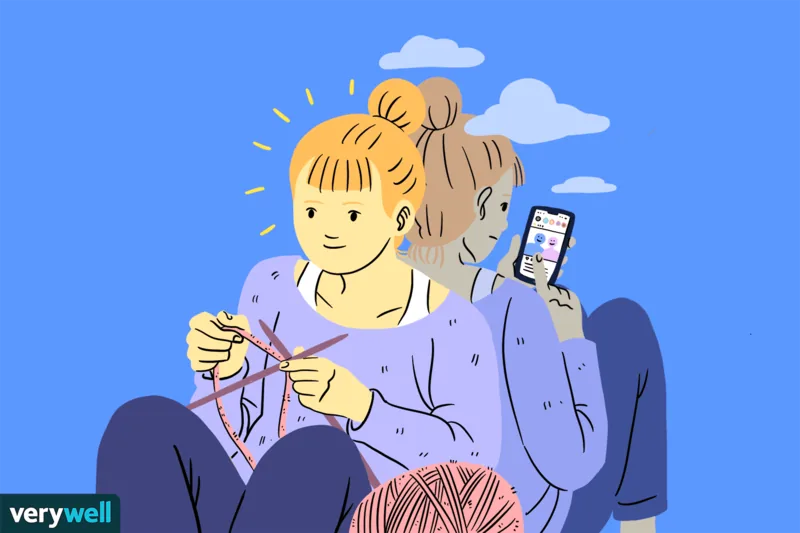
Everything you've been told about loneliness is probably wrong. If you've ever found yourself feeling adrift, even in a crowd, and wondered if there's a better way to feel connected, you're not alone. It's a common human experience, but that doesn't make it any less painful. The good news? There are concrete, immediate things you can do to shift that feeling, starting right now.
What It Feels Like to Be Alone
Loneliness isn't just about being physically by yourself. It's a profound sense of disconnection, a feeling that you're not understood or that you lack meaningful social bonds. You can feel this way while surrounded by people, or when facing a significant life change like a move, a breakup, or the loss of a loved one. Sometimes, it's a whisper; other times, it's a deafening silence that impacts your well-being just as much as smoking 15 cigarettes a day (Tiwari, 2013). Persistent loneliness can also be a signal that something deeper, like depression, is at play.
The Power of Acknowledging Loneliness
Fighting the feeling of loneliness is like wrestling with smoke. It's exhausting and ultimately futile. The first, and perhaps most crucial, step is to simply acknowledge your feelings. Telling yourself you "shouldn't" feel this way only adds another layer of distress. Recognize that feeling alone is a human experience, not a personal failing. Research suggests that simply labeling your emotions can reduce their intensity, making them feel more manageable (Torre & Lieberman, 2018). So, when loneliness creeps in, try saying to yourself, "I am feeling lonely right now." It's a simple act, but it can be incredibly powerful.
Create Your Personal Action Plan
Once you've acknowledged the feeling, it's time to decide how to respond. The key is to develop a plan that addresses either the situation causing the loneliness or how you feel about it.
Think about your current circumstances. Is there someone you can call right now? A friend, family member, or even an old acquaintance? Reaching out might be the most direct solution. Sometimes, a simple phone call can bridge the gap and make you feel instantly more connected.
But what if reaching out doesn't yield immediate results, or if you're not in a place to connect with others? That's where focusing on how you feel comes in. This might involve engaging in solitary activities that nourish your soul and provide comfort. Think of activities like painting, listening to music, or even just enjoying a quiet cup of tea. The goal is to find healthy coping mechanisms that help you feel better, regardless of your social situation.
10 Things You Can Do Right Now
When the pangs of loneliness hit, having a toolkit of actionable strategies can make all the difference. These are things you can do to actively combat that feeling and foster a greater sense of connection.
Reconnect with Old Friends
Sometimes, rekindling old friendships feels less daunting than forging new ones. Think about that college roommate you lost touch with or a cousin you haven't spoken to in years. A simple message on social media or a text can be a starting point. Share what you've been up to and express that you'd like to catch up. You likely share common ground and fond memories, making it easier to re-establish a connection. Aim to move beyond text messages to a phone call, video chat, or even an in-person meetup for a deeper connection.
Find Your Tribe in a Group or Club
Looking to meet new people? Explore local community activities. Whether it's a book club that dives into literary worlds, a volunteer group dedicated to a cause you care about, a hiking club exploring nature, or even a local choir, there are countless avenues to meet like-minded individuals. Websites like Meetup can be a great resource for discovering what's happening in your area. Make it a goal to strike up conversations with a few people at each event.
Lose Yourself in a Book
Books are portals to other worlds and minds. Reading allows you to step into the shoes of characters, understand different perspectives, and feel a sense of companionship. Don't shy away from genres you wouldn't normally pick. A gripping novel, a thought-provoking non-fiction read, or even an engaging audiobook can expand your horizons and make you feel less alone with your thoughts.
Engage in an Online Forum
The internet offers a vast landscape for connection. Online forums dedicated to your interests--be it a specific hobby, a favorite TV show, or even a shared life experience--can be incredibly valuable. Engaging in discussions and sharing your passions with others who understand can create a powerful sense of belonging, even if you've never met them face-to-face.
Embrace Learning Something New
Acquiring a new skill or delving into a new subject can be incredibly invigorating. It sparks curiosity and can open doors to new social circles. Consider a cooking class, a language course, or an online workshop in a field that fascinates you, like graphic design or coding. Websites like Coursera or Udemy offer a wealth of affordable learning opportunities.
Dive Deep into a Hobby
Hobbies are more than just pastimes; they are avenues for self-expression and mindfulness. Engaging in activities like painting, gardening, playing a musical instrument, or woodworking can help you become present, quieting the internal chatter about loneliness. If you don't have a hobby, now is the perfect time to experiment. Try different activities until you discover something that truly resonates with you.
Spread Kindness, Feel Connected
Doing something good for someone else is a powerful way to boost your own mood and foster a sense of community. This could be anything from volunteering at a local animal shelter, helping a neighbor with their groceries, or participating in a community clean-up event. Many organizations, like local charities or hospitals, are always looking for volunteers. Even small acts of kindness can create a ripple effect of positivity.
Seek Professional Support
If loneliness feels overwhelming or persistent, don't hesitate to seek professional help. A therapist can provide a safe space to explore the roots of your feelings and develop personalized coping strategies. They can help you build healthier connections and address underlying issues, such as depression or anxiety, that might be contributing to your loneliness (Vasile, 2020).
If your loneliness is intertwined with feelings of sadness, hopelessness, or a loss of interest in life, it's crucial to consult a mental health professional. They can offer guidance on treatments like cognitive behavioral therapy (CBT) or, if necessary, medication to manage symptoms effectively.
It's also vital to seek help if you're dealing with loneliness in unhealthy ways, such as excessive drinking or emotional eating, as these behaviors can exacerbate the problem. Remember, loneliness can impact cognitive health and, in severe cases, is linked to an increased risk of suicidal thoughts. If you are experiencing suicidal ideation, please reach out immediately to the National Suicide Prevention Lifeline at **988**.
Navigating Loneliness: Your Questions Answered
How do I stop feeling alone?
Overcoming loneliness is a journey. Start by acknowledging your feelings and challenging negative thought patterns. Actively seek out opportunities for connection, even small ones like chatting with a cashier or joining an online community. Focusing on self-care and engaging in activities you enjoy can also help improve your overall sense of well-being.
Is it normal to feel alone?
Yes, it's entirely normal to experience feelings of loneliness. Many people, across all age groups, report feeling lonely at times. There's a difference between being alone (solitude, which can be enjoyable) and feeling lonely (a distressing lack of connection). While solitude can be positive, persistent loneliness can negatively impact your mental and physical health.
What do you do when you feel like you have no one?
Building a support network takes time and effort. Start by taking small steps: join an online group for people with similar interests, consider adopting a pet for companionship, volunteer for a cause you believe in, or find a local book club. Prioritize your emotional and physical health, and remember that seeking professional guidance is a sign of strength.