Quitting smoking is a monumental achievement, a powerful declaration of intent to reclaim your health. Yet, for many, this victory comes with an unexpected shadow: a dip in mood, a feeling of sadness, or even a temporary bout of depression. It’s a common, though often unspoken, hurdle. If you're navigating these emotional shifts, know you're not alone, and importantly, there are effective ways to manage this transition and emerge stronger on the other side.
Why Moods Can Plummet After Quitting
The primary culprit behind this temporary dip in spirits is nicotine withdrawal. Nicotine, a highly addictive substance, creates a dependency by interacting with dopamine receptors in your brain. Dopamine is your body's natural mood elevator, and regular nicotine use hijacks this system, leading to a perceived increase in pleasure and well-being. When you stop smoking, your brain, accustomed to this external boost, experiences a deficit. This sudden drop in dopamine levels can manifest as feelings of sadness, irritability, and a general sense of low mood, a natural, albeit uncomfortable, part of your body recalibrating (Stepankova et al., 2017).
Beyond the chemical shifts, many smokers rely on cigarettes as a crutch for emotional regulation. They might light up during moments of stress, frustration, or even joy. When that crutch is removed, those underlying emotions can surface with a force that feels overwhelming, leaving you feeling adrift and unprepared to handle them without your usual coping mechanism.
Spotting the Symptoms
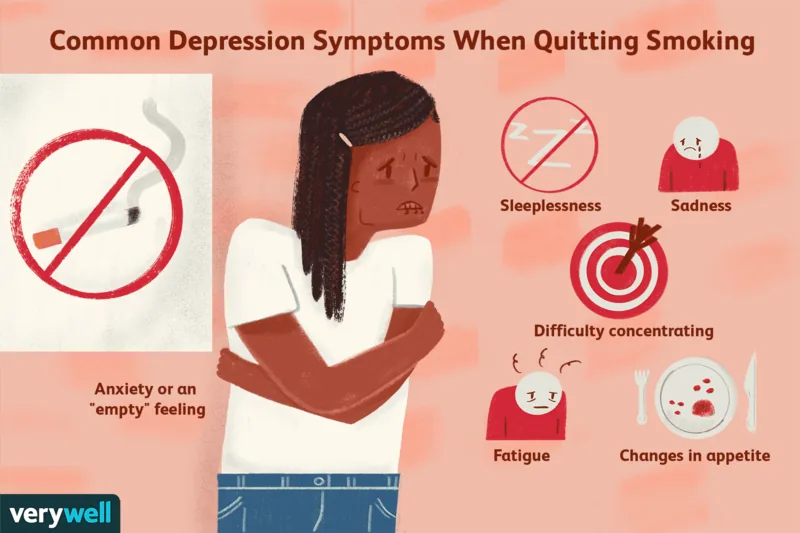
The emotional landscape after quitting can be varied. You might experience a cluster of symptoms, or just a few, and their intensity can fluctuate. Common signs include:
- A pervasive sense of anxiety or an unnerving “empty” feeling.
- Noticeable changes in appetite, leading to either overeating or undereating.
- Difficulty focusing on tasks, making work or daily chores feel more challenging.
- Heightened emotional irritability, where small annoyances feel amplified.
- Persistent fatigue, making even simple activities feel draining.
- A loss of interest in hobbies and activities that once brought you pleasure.
- Lingering feelings of sadness or a general low mood.
- Disrupted sleep patterns, including insomnia or excessive sleeping.
These symptoms are typically part of the withdrawal process and tend to subside within a few weeks as your brain adjusts. However, if these feelings persist, worsen significantly, or start to interfere with your daily functioning, it's crucial to distinguish them from clinical depression. Persistent depressive symptoms that don't improve may signal a need for professional support.
Building Resilience: Coping with Depression Related to Quitting
Quitting smoking is more than just breaking a physical habit; it’s a significant lifestyle overhaul. Expect emotional and physical reactions, and understand that periods of mood change increase the risk of relapse. It's harder to stay committed when you're feeling low. Research indicates that individuals who experience depression before or during early cessation are at a higher risk of returning to smoking (Stepankova et al., 2017).
The key is to acknowledge these feelings without letting them dictate your actions. Instead of burying emotions, find constructive outlets. Here are several strategies that can significantly improve your mood during this transition:
Embrace Movement
Physical activity is a powerful ally. Not only does it serve as an effective distraction from cravings, but exercise also stimulates the release of endorphins – your body's natural mood boosters (Santos et al., 2021; Schuch & Stubbs, 2019). A brisk walk outdoors can invigorate your senses and clear your head. Even a short burst of activity can make a tangible difference.
Set Achievable Goals
When motivation wanes, breaking down your objectives into smaller, manageable steps can provide a sense of accomplishment. Consider the SMART goals framework: making your goals Specific, Measurable, Attainable, Relevant, and Time-bound. This structured approach helps maintain momentum and fosters lasting success.
Cultivate Support Systems
Lean on your friends, family, or colleagues. Spending time with supportive individuals can combat feelings of isolation. Consider joining a smoking cessation support group, either online or in person. Connecting with others who share your experience can provide invaluable understanding and encouragement. Programs like the American Lung Association's Freedom From Smoking offer such resources.
Find Healthy Distractions
When cravings or negative thoughts arise, having a list of go-to distractions is essential. Engaging in an activity that diverts your attention can interrupt negative thought patterns. This could be anything from reading a book, practicing deep breathing exercises, engaging in a hobby like knitting or playing a musical instrument, to simply calling a friend. The goal is to consciously shift your focus.
Discover New Passions
Smoking often fills time that could be dedicated to other pursuits. Now is the perfect opportunity to explore new interests or rekindle old ones. Perhaps you’ve always wanted to learn to paint, try a new recipe each week, or volunteer for a cause you care about. Engaging in fulfilling activities can replace the void left by smoking and boost your overall sense of well-being.
Adjust Your Mindset
One of the most profound shifts is reframing cessation not as a loss, but as a profound act of self-care. View quitting as one of the greatest gifts you can give yourself and your future health. This perspective shift is fundamental to healing and can significantly alleviate symptoms of depression related to quitting.
Knowing When to Get Support
If you have a history of depression, it is vital to inform your doctor about your plans to quit smoking. Nicotine affects how certain medications are metabolized, and your prescription dosages may need adjustment as your body changes (Mayo Clinic, 2023). Your doctor can monitor these changes and ensure your treatment remains effective.
Furthermore, if the feelings of depression are intense, persist for more than a few weeks, or significantly disrupt your life, seeking professional help is crucial. Clinical depression requires targeted treatment. Resources like the Substance Abuse and Mental Health Services Administration (SAMHSA) National Helpline at 1-800-662-4357 can provide information on local support and treatment options.
Remember, the emotional challenges of quitting smoking are usually temporary. By employing these coping strategies and seeking help when needed, you can navigate this phase successfully and embrace a healthier, smoke-free future.